Getting the Most Out of 120W/cm Mercury UV Lamps (Without Killing the Planet)
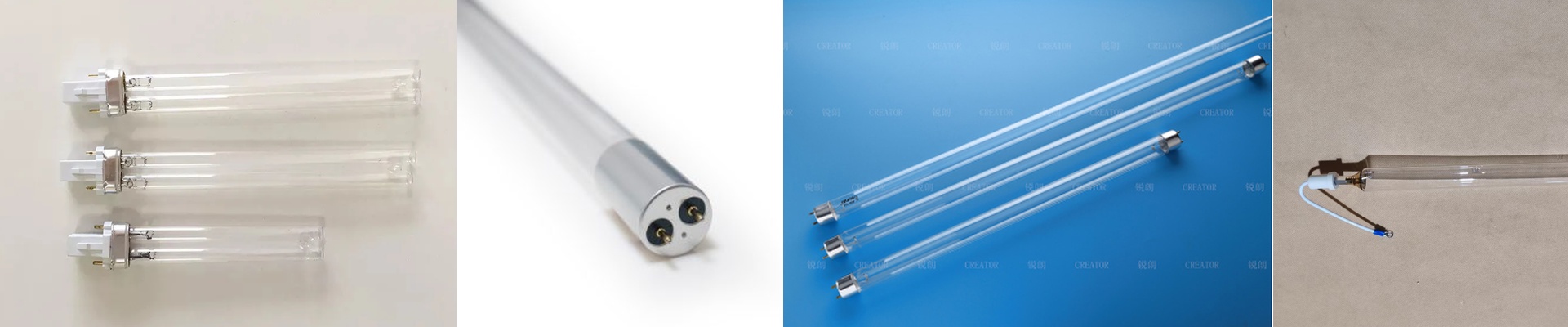
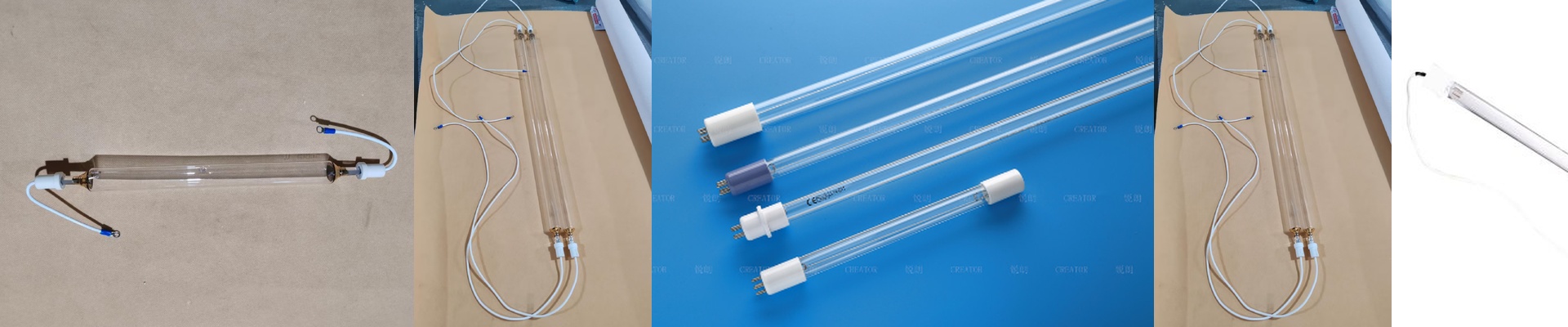
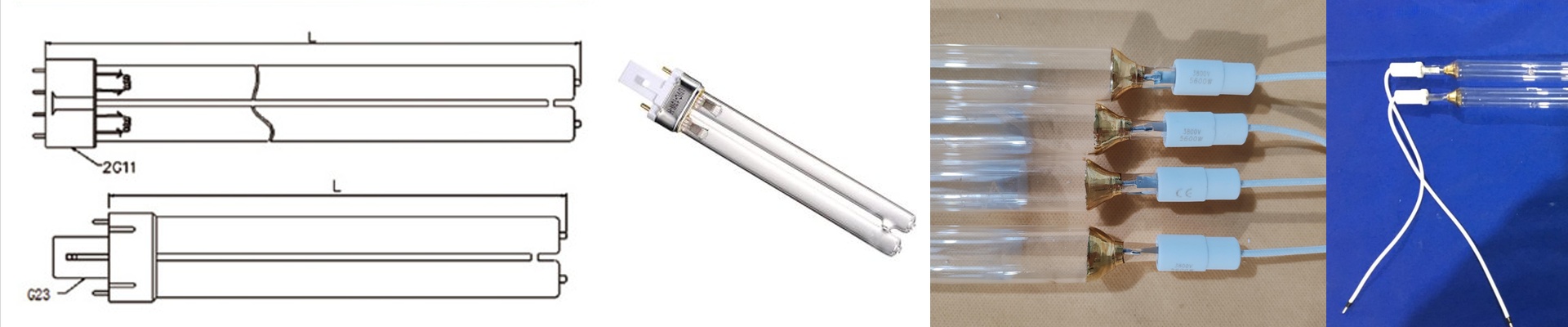
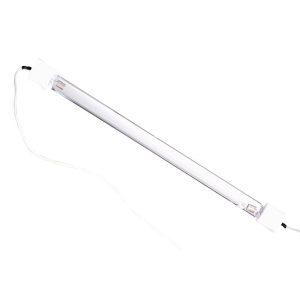
When we designed our 120W/cm mercury UV lamps, we weren’t looking to just throw numbers at a spec sheet. We wanted to find that perfect middle ground. You know, where you get enough punch to cure your coatings and adhesives instantly, but you aren’t stressing your power supply to the breaking point. The heat is the real enemy here. Packing that much energy into such a small space gets hot. Really hot. If the glass softens or the electrodes fry, you’re looking at a dead lamp and a stopped line. That’s why we use high-purity fused quartz—it can take the heat. But here’s the thing: the lamp can only do so much. You’ve got to make sure your cooling system—whether you’re using air or water—is actually doing its job. If the lamp starts overheating, your UV output dips and the lifespan plummets. Keep it cool, and it’ll keep working. Cleaning up the act. Let’s be honest: old-school UV lamps were a nightmare to get rid of. They were full of stuff that shouldn’t be in a landfill. We decided to strip all that out. By switching to eco-friendly materials and tweaking the mercury vapor pressure, we managed to make the lamps last longer. It’s a win-win. You spend less time swapping out bulbs and less time worrying about hazardous waste. Making it work in your shop. These are designed as simple, drop-in replacements. No need to rebuild your whole setup. We spent a lot of time obsessing over the seal on the end-caps. Why? Because gas leaks are usually what kill a lamp. We’ve tightened that up so you don’t have to worry about it. One quick tip before you plug them in: check your ballast. Make sure it matches the impedance of the 120W/cm load. If they don’t match, you’ll get flickering or pitting on the electrodes, which is a headache nobody needs. Get your electricals dialed in, and it’s a straightforward swap. Simple as that.