
Introduction
So, we built this UV disinfection system for serious, industrial-level work. It’s all about getting the job done—zapping germs in water and on surfaces with some seriously powerful shortwave UV light. We packed it with a heavy-duty halogen lamp, top-notch quartz parts, and a power supply that can keep up, day in and day out. Because when you’re running a commercial operation, you need gear that just doesn’t quit.
What’s Under the Hood
Here’s the thing about this unit: it runs on a 400V power supply, pushing out a full 2500W through a 300mm lamp. That’s a ton of power packed into a relatively small space. That kind of muscle is exactly what you need to blast microorganisms with enough UV-C to take them out, fast. But, and this is important, that power demands a solid electrical setup. The 400V supply keeps the arc stable, even when things are working hard. That stability means fewer power fluctuations, which in turn means you won’t be replacing the lamp anytime soon.
The Build
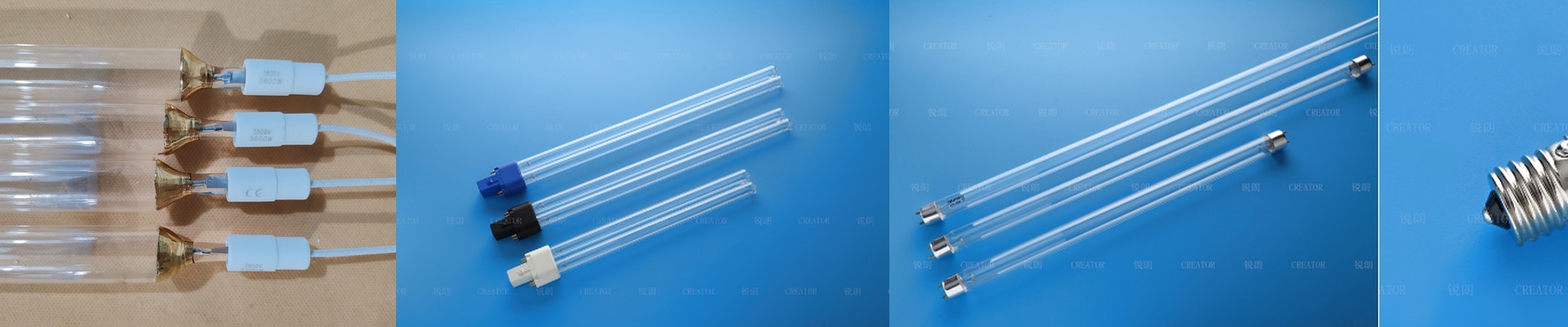
The lamp itself is wrapped in a quartz envelope with a special coating. This stuff is key—it keeps the UV light blasting through while handling the intense heat without cracking. Inside, a halogen cycle does its job, keeping the filament clean and stable. No blackening. No drop in performance. And for connecting it all? We went with an R7s connector. It’s direct, solid, and reliable. It’s also a simple drop-in for standard commercial sockets. So when it’s time for maintenance, you can get it done and get back online without a lot of fuss.
Real-World Use
When you’re using UV to kill germs on this scale, you’ve got to manage heat and radiation at the same time. The halogen design focuses the energy where it needs to be for maximum germ-killing power, while the quartz and coating handle the heat and keep the UV flowing. The payoff? A steady, reliable output that stays consistent for thousands of hours. Just know this—it runs hot. You’ll need to make sure you have proper cooling and shielding in place. That way, you protect the surrounding components and keep the lamp running in its sweet spot, temperature-wise.