
Introduction
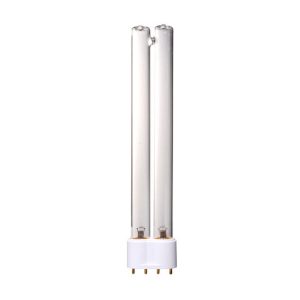
Let’s get one thing straight: that gallium lamp in your screen exposure unit? It’s not just a bulb. It’s the heart of the whole operation. We build these things to take the heat—literally—and handle the brutal demands of curing emulsion. But honestly, the real magic happens before the light even flicks on. It’s all about the machine’s power curve, which sets the electrical rhythm. If the lamp’s internal voltage doesn’t sync with what the machine puts out, you’re headed for trouble. Inconsistent exposure. Power going to waste. Or even worse, the lamp burning out way too soon.
Technical Deep-Dive: Power, Voltage, and Dimensions
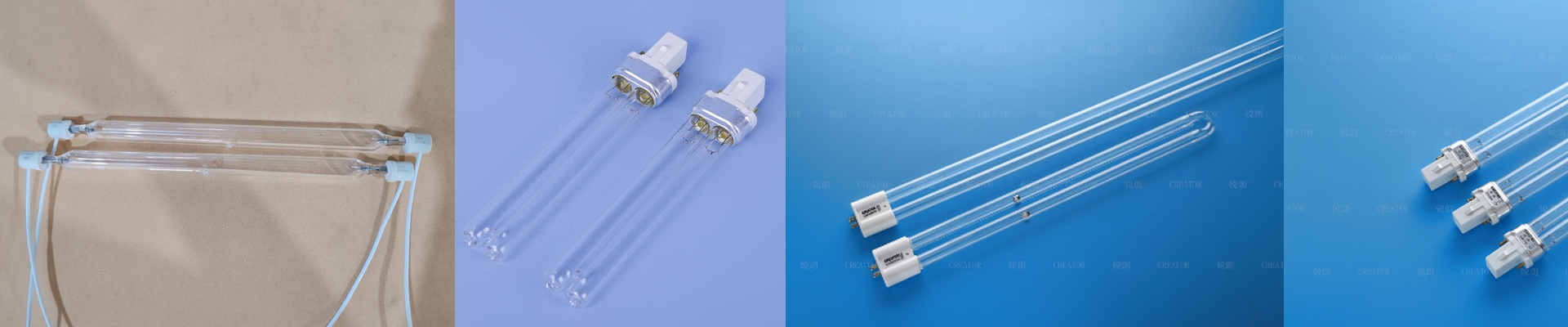
Here’s the thing: screen exposure units are as unique as the shops that run them. You might be using a 300mm tube on a machine that pushes 400V through it. That kind of voltage is necessary to pack enough heat and UV intensity into such a small space. So we don’t just hand you a standard 2500W lamp off the shelf. We fine-tune the internal voltage and resistance to match your specific ballast or transformer. This ensures the lamp pulls exactly the power it’s supposed to at the machine’s operating voltage. No underperformance. No overloading the driver. Just clean, consistent operation.
Material & Design: Quartz, Coating, and Connectors
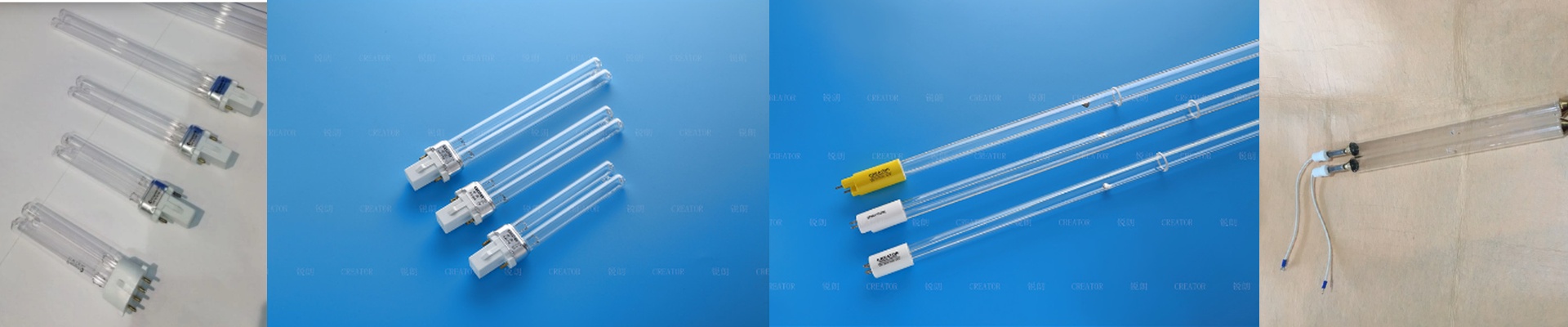
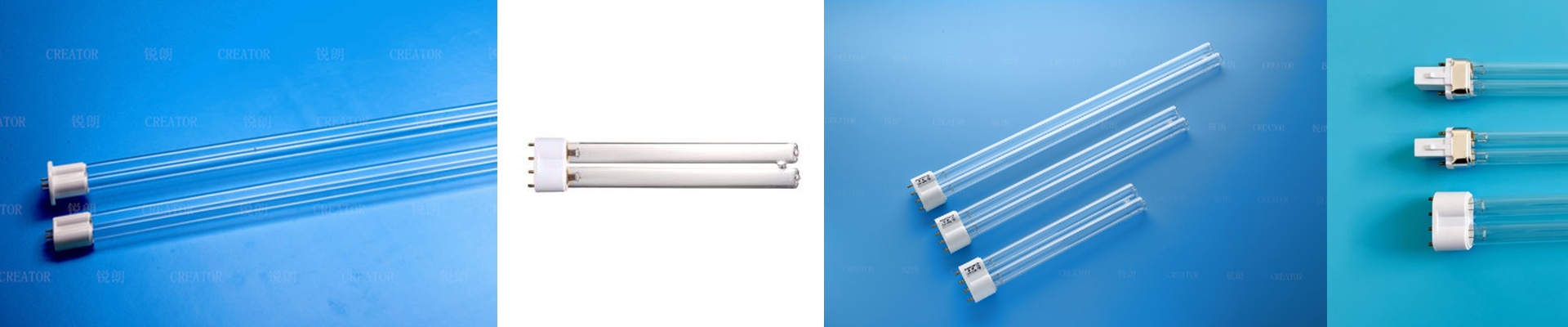
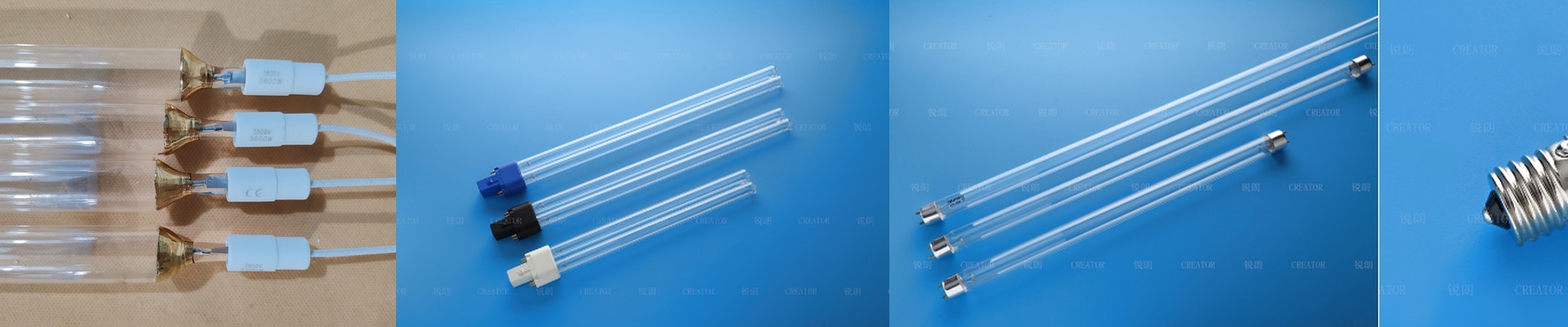
The body of the lamp is quartz, and there’s a good reason for that. It handles extreme heat shocks without cracking and lets every bit of UV light through. We add gallium to the mix, which zeroes in on the UV spectrum. That means your emulsion cures faster, and the light output stays rock-solid over the life of the tube. And that R7s connector? It’s a simple, practical choice. It snaps in firmly, makes a solid electrical connection, and keeps the lamp sitting perfectly square in the socket. That matters when you’re packing a lot of power into a tight space.
Application & Benefits: Matching the Machine, Not the Catalog
When we talk about customization, we mean it. We’re not just tweaking a product. We’re making the lamp become a true part of your exposure unit. You tell us how your machine works—its power curve and the physical space you have to work with. Then we dial in the internal voltage, length, and wattage to match. The result? You get exposures that are repeatable and reliable, and a lamp that just drops right in. Now, a heads-up: a high-density gallium lamp runs hot. So your machine’s cooling and reflector setup has to be up to the task, managing the heat so the lamp stays within its safe operating limits. We don’t build to a catalog. We build for your machine. That’s the only way to get consistent exposure without all the guesswork.