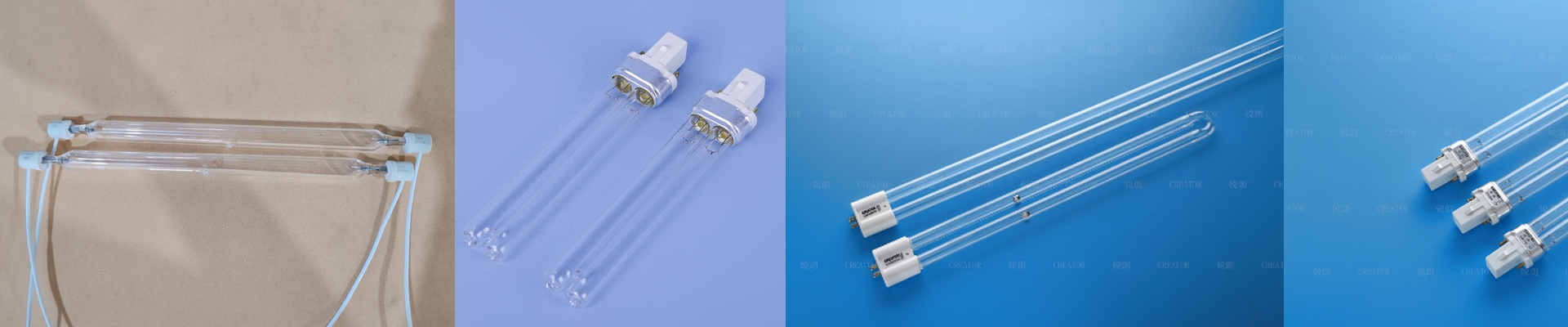
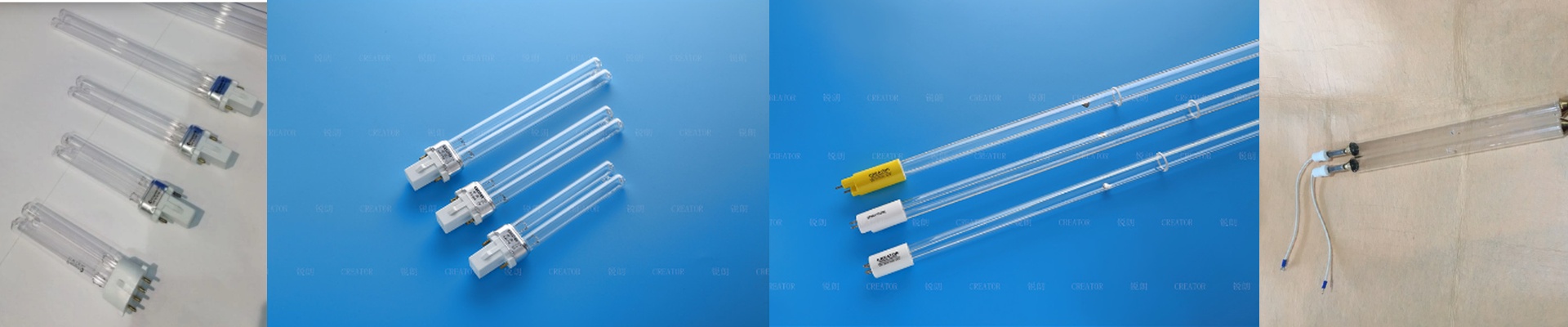
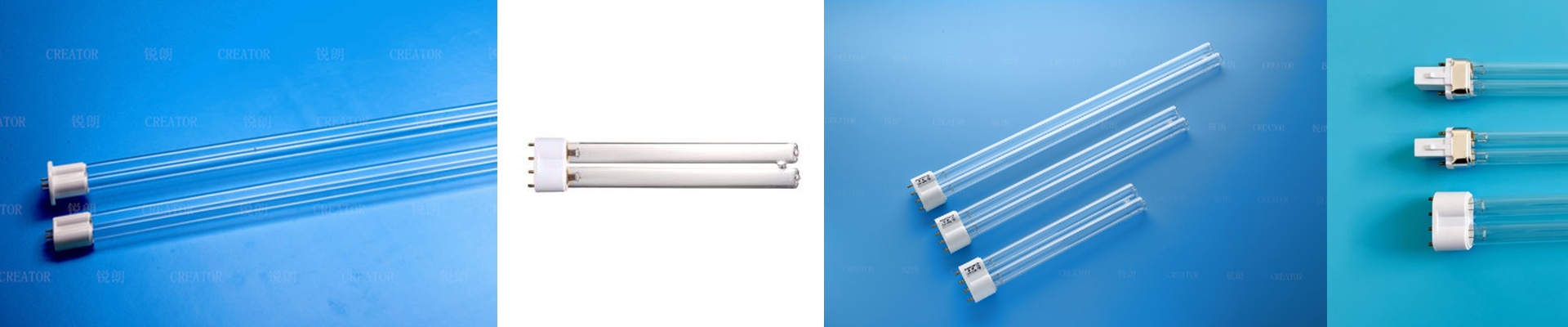
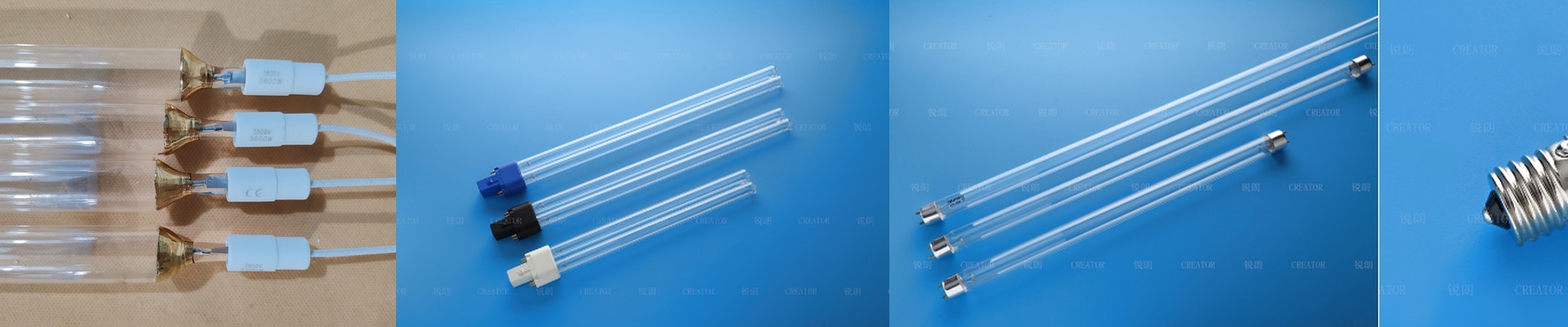

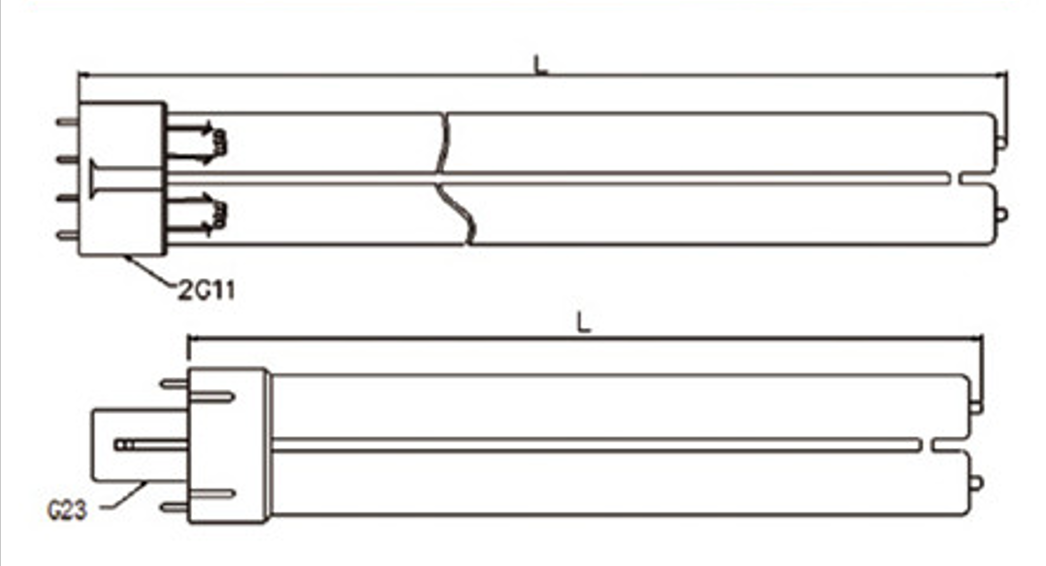
Walk the press floor and you see the same head-scratcher across offset, flexo, and screen lines: the UV lamp looks fine, but the ink won’t set all the way at line speed. Nine times out of ten, the root cause is right where the lamp meets the reflector—the socket interface, G5 or G13—not lining up with the lamp and reflector geometry the ink’s photoinitiator actually needs. What matters under the hood G5 and G13 aren’t just pinouts; they lock in lamp diameter, arc length, and electrode position. Those numbers set the distance from the arc to the dichroic reflector, and that distance defines the focal line. When the lamp-to-socket choice is off, the 365 nm or 385 nm peak drifts away from the substrate, and the energy density (mJ/cm²) at the curing plane drops. We spec sockets to hold the lamp concentric within ±0.2 mm so the reflector delivers the intended irradiance profile. Without that, cross-linking is incomplete even when the lamp reads nominal. Here’s how we get it right. We don’t just hand over lamps. We run a field curing diagnosis: map the press geometry, take irradiance measurements with a spectral radiometer, then match lamp type, arc length, and socket—G5 for compact narrow-arc setups, G13 when you need a longer, stable arc—to your ink chemistry and line speed. The payoff is repeatable curing: adhesion, surface cure, and throughput you can count on, without chasing hot spots or wet traps. A couple of shop-floor notes. G5 and G13 sockets are not plug-and-play without revalidating the whole optical train. Retrofits mean paying attention to end-of-lamp thermal limits, connector orientation, and reflector focal distance. Block in a 20-minute calibration window during install to verify peak irradiance and the temperature profile across the web.