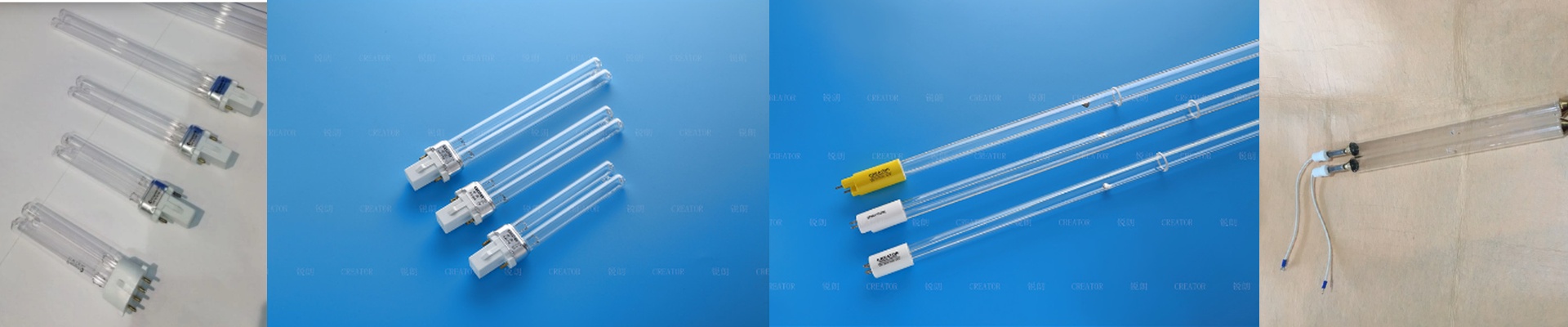

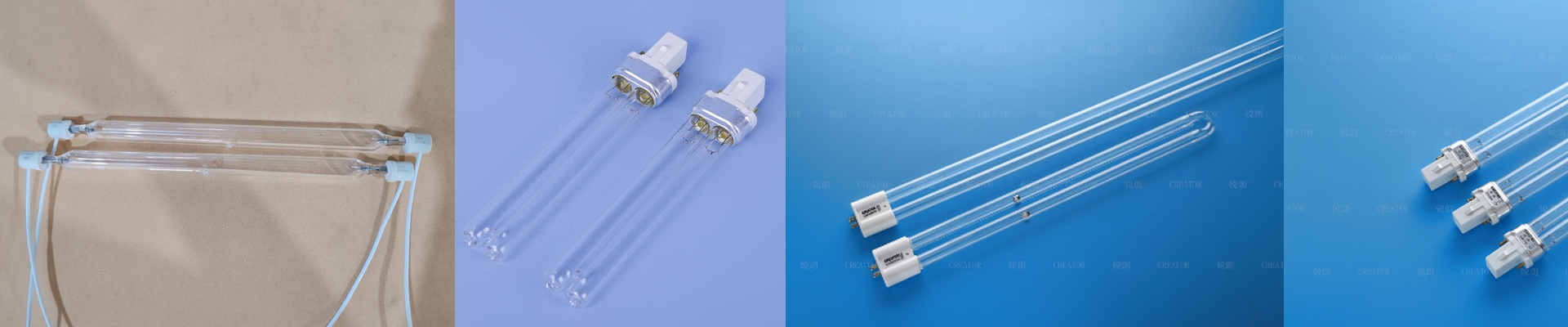
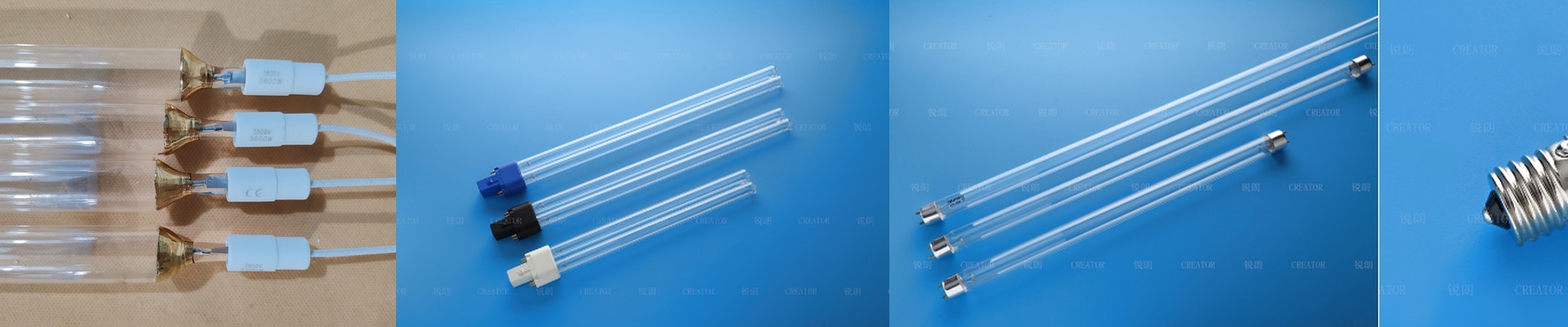
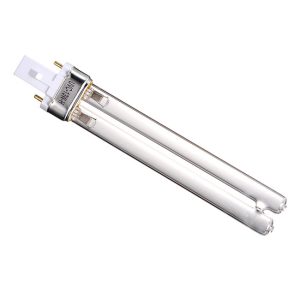
On a fast security press, the anti-counterfeiting label looks fine in daylight—then falls apart under verification. The UV-reactive mark comes out faint, patchy, or inconsistent from one batch to the next. More often than not, the problem isn’t the ink. It’s the curing chemistry. Security inks rely on photoinitiators tuned to a tight spectral window. If you hit them with a broad-spectrum lamp, you’re dumping energy into wavelengths the ink can’t absorb. The result is incomplete cross-linking, weak signal, and rejects that slip past QA. We built our high-power mercury UV emitter to solve exactly that: deliver clean, stable output where the ink actually cares—especially around the primary mercury line at 365 nm—while keeping out-of-band energy under control. For anti-counterfeiting work, that focus matters as much as power.
What actually defines performance
When you’re running anti-counterfeiting jobs, a mercury UV emitter lives or dies on three measurable things: spectral output, irradiance, and stability over time. Spectral output and purity. Our high-power mercury lamp is engineered to emphasize the 365 nm line and cut down energy in the 400–450 nm region. The spectral half-width at 365 nm is narrow, and the relative intensity at 385 nm and 405 nm is suppressed by the dichroic coating choice. That matters because many security inks use photoinitiators with very low absorption outside roughly 360–370 nm. Broad-spectrum lamps waste power and push surface cure that blocks deeper curing, which kills fluorescence response and machine-readability. Peak irradiance and delivered energy density. We specify the system by peak irradiance at the substrate plane—measured with a calibrated radiometer—and the energy density you can hit at production line speeds. In a typical configuration, peak irradiance exceeds 8 W/cm² at 10 mm working distance, and the lamp can deliver 600–1200 mJ/cm² depending on reflector design and dwell time. That energy density is what it takes to fully drive cross-linking in high-pigment, high-fill security inks, so the UV-reactive component activates consistently and the mark repeats run after run. Lamp arc, power density, and reflector efficiency. The emitter uses a short-arc mercury vapor design to concentrate output into a small focal area. Paired with a high-reflectivity dichroic reflector, you get a tight intensity profile and high power density on the print. The reflector coating is chosen for durability and stable reflectance at high operating temperatures, so output stays consistent over thousands of hours instead of drifting as the system heats and cools. Start-up, stability, and life. Anti-counterfeiting runs are often high-speed with frequent stops. Our lamp system restarts immediately without long cool-down windows, and it holds spectral stability across power cycles. Lamp life is typically 2000–3000 hours at rated power. We don’t guess at end-of-life—we track it. Output degradation is monitored as a curve, and we replace the lamp when irradiance falls below the minimum threshold the ink’s photoinitiator absorption window requires. Ozone management. We use ozone-free quartz envelopes and coatings to minimize ozone generation in the 185 nm region. That reduces the need for external air-purge hardware, simplifies integration, and keeps sensitive substrates from being hit with oxidative effects.
Why this approach fits anti-counterfeiting work
Anti-counterfeiting printing isn’t about brute brightness. It’s about matching the lamp spectrum to the ink’s photochemistry so the verification signal is strong and repeatable. Cleaner verification response. When curing energy is concentrated at 365 nm, the photoinitiator in the security ink absorbs efficiently and cures uniformly through the layer. The mark responds cleanly under verification, with less background interference. In practice, that means fewer ghost marks, fewer weak spots in fine features, and less batch-to-batch drift. A process window that survives real conditions. Security inks usually carry pigments and fillers that scatter light and raise the cure threshold. Delivering high irradiance at the right wavelength gives you margin—on line speed, ink laydown, and substrate temperature. That cuts scrap and rework, and it keeps the job predictable across different press setups. Consistency across shifts and reprints. The lamp’s spectral output stays stable over the life of the emitter, and irradiance at the substrate remains repeatable. With security work, that’s the whole point: the label run tomorrow should look identical to today’s when it hits the verification equipment. Energy that goes where it matters. Because the spectrum is controlled, less energy is wasted as heat and out-of-band radiation. That improves energy efficiency on press and lowers thermal load on the substrate—critical for thin films, heat-sensitive materials, and holding tight registration.
What you need to get right on the floor
High-power mercury UV emitters perform, but they demand discipline in how you integrate and run them. Match the coating to the ink chemistry. The dichroic coating decides what wavelengths get emphasized and what gets suppressed. If your anti-counterfeiting ink is tuned to 365 nm, pick the coating optimized for that line. If your ink set uses a different window, specify accordingly. The wrong coating will drop curing efficiency and hurt verification performance—no matter how much lamp power you have. Control working distance and the intensity profile. A short-arc lamp gives you a tight intensity profile, and that means placement has to be precise. Lock in a fixed, repeatable working distance, and verify irradiance across the full print width. Edge non-uniformity will show up as inconsistent marks, and it’s easy to blame the ink when it’s really the lamp position. Plan lamp replacement by measurement, not by date. Calendar life is only a guideline—irradiance and spectral balance drift with usage. Set a radiometer-based trigger: when measured energy density at the substrate drops below the ink supplier’s minimum, change the lamp. That keeps verification consistent and prevents slow drift that sneaks through. Treat electrical and thermal constraints as real constraints. High-power mercury lamps draw serious current and throw heat. Make sure the power supply, connectors, and cabling are rated for continuous duty, and confirm the lamp housing and cooling are sized for your duty cycle and ambient conditions. If cooling is undersized, lamp life shortens and spectral output can shift. If anti-counterfeiting labels have to pass inspection—by machine and by eye—curing isn’t a background step. It’s part of the security system. Spec the emitter to match the ink’s spectral signature, and measure performance the way the pressroom can trust: irradiance, energy density, and repeatability.