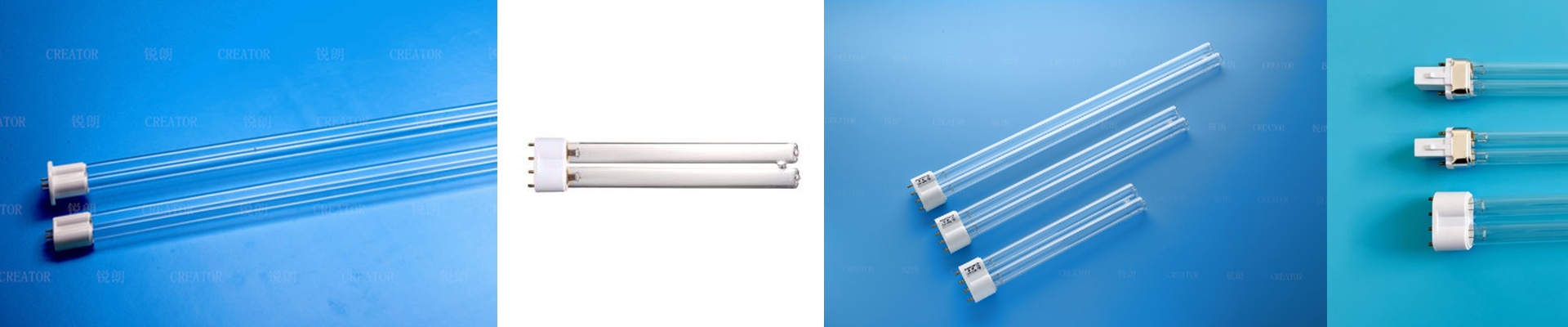
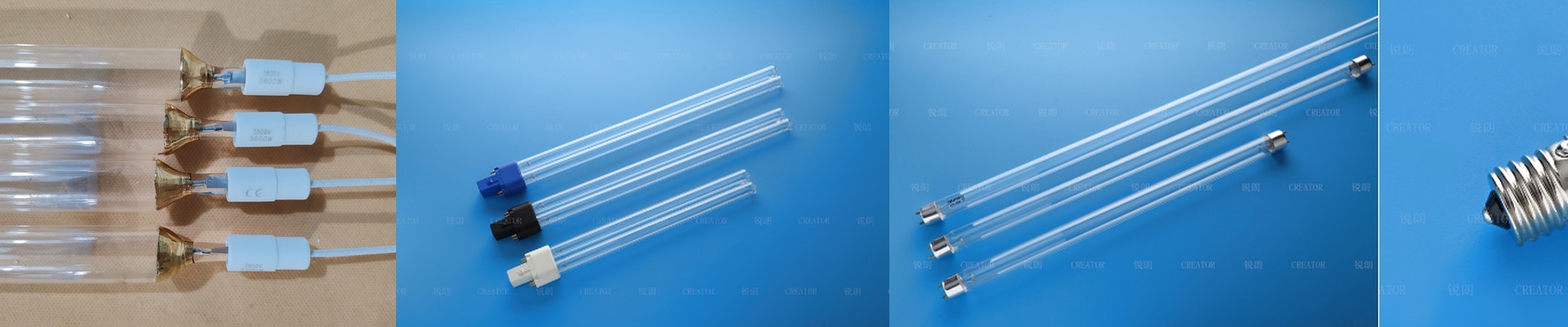
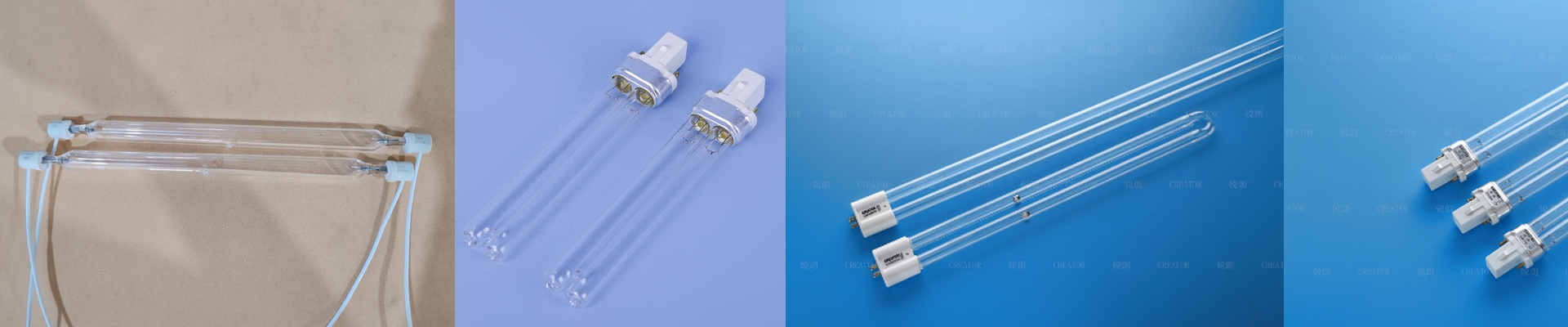
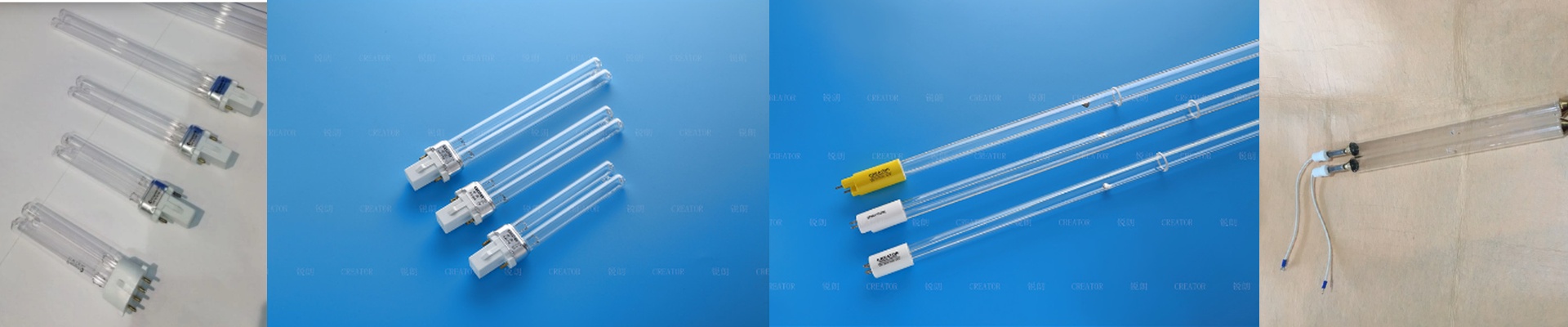

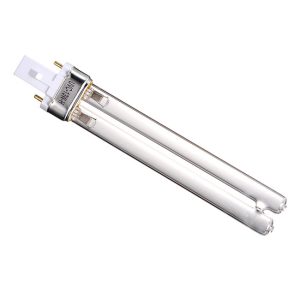
In a dental clinic, the sterilization chamber door seals with a quiet hiss, trapping instruments that have been in contact with mucosa, bone, and blood. The cycle timer kicks on. If the UV dose inside isn’t enough—if lamp output has drifted, if the reflector geometry is off, if the chamber layout casts shadows—biofilm survives. No one sees the microbes. They only see what happens later. We build UV germicidal lamp components in China for medical disinfection systems that have to perform under real conditions: variable loads, tight cycle windows, and zero room for incomplete microbial inactivation. The point isn’t “UV is present.” The point is predictable lethality, cycle after cycle.
What actually matters, technically
In dental sterilization, it’s not about brightness. It’s about dose. We specify low-pressure mercury vapor lamps engineered for a dominant germicidal peak at 253.7 nm. That’s the wavelength where microbial DNA and RNA absorb strongly, and the photon flux drives photochemical damage that stops replication. The effective dose is irradiance (mW/cm²) at the target surface multiplied by exposure time (seconds), giving you mJ/cm². Here are the parameters that decide whether the chamber hits validated disinfection:
- Peak irradiance at the target plane: This is the instantaneous photon flux density. If the chamber needs a 40 mJ/cm² dose and the irradiance in an instrument shadow is only 8 mW/cm², exposure has to be 5 seconds. If it’s 16 mW/cm², you’re down to 2.5 seconds. The lamp and reflector have to deliver stable irradiance across the whole cavity, not just along the lamp centerline.
- Dose uniformity: Dental instruments aren’t tidy. They cast shadows. A reflector that only floods the center creates cold spots. We use precision reflector geometry and selective dichroic coatings to shape the beam and cut fall-off, so the dose distribution stays inside the chamber’s validated window.
- Output stability over life: UV output drops as the arc tube ages and electrodes erode. We target a controlled lumen and UV output decay curve so the system stays within validated dose limits for the full lamp replacement interval. For continuous-duty medical cabinets, we design for thousands of cycles with predictable end-of-life behavior—no sudden collapse.
- Ozone management: 254 nm photons are largely ozone-free in air, but secondary emissions and window materials can still generate trace ozone. We specify envelope materials and operating parameters to keep ozone generation below practical thresholds for enclosed cabinets, so you don’t get material oxidation and odor issues.
- Thermal behavior: Lamp wall temperature affects mercury vapor pressure and output stability. In compact chambers, airflow is often limited. We engineer thermal margins so the lamp stays within its rated operating range, even when the cabinet runs back-to-back cycles.
- Electrical compatibility: The lamp has to match the ballast and ignitor. We supply components matched to the intended ballast type—preheat or instant start—so the arc strikes reliably and electrode stress is controlled. A mismatched ignition setup causes premature failures and unstable output during startup.
Why this approach holds up in practice
Dental clinics run on throughput. Sterilization cycles have to be fast, repeatable, and auditable. A custom UV germicidal lamp package, centered on 254 nm low-pressure mercury vapor technology, delivers the one thing that matters in a closed chamber: rapid, predictable dose delivery.
- Faster cycle times: With high peak irradiance and efficient reflector coupling, the chamber hits the required cumulative dose quickly. That means shorter cycle windows, which keeps instruments moving during peak patient loads.
- Shadow handling: Reflector engineering won’t eliminate shadows, but it reduces dose variance. Instruments behind forceps or tucked into tray crevices still get enough dose to meet the disinfection spec, because the system is designed around worst-case geometry, not best-case.
- Energy behavior in a small cabinet: UV germicidal lamps aren’t heaters. They deliver photons directly, without heating the load. In a compact cabinet, that means less wasted energy heating air and trays, and more energy where it counts—on the microbial target.
- Maintenance you can plan around: In a clinic, lamp failure isn’t an inconvenience; it shuts the workflow down. We design components for stable output over time, and we back them with clear end-of-life indicators. When the lamp hits its rated life, output declines in a way that triggers replacement before the chamber drifts outside validation.
- Integration as an engineered package: These aren’t standalone bulbs. They’re engineered components—lamp, base, reflector, and electrical interface—designed to drop into a specific sterilization cabinet footprint. For manufacturers building dental sterilizers, integration is the difference between a field retrofit and a validated product.
The details that make or break it
No UV component performs reliably if the surrounding system is mismatched.
- Validate the dose, not the label: The lamp makes photons; the chamber delivers dose. Validation has to measure irradiance at the target plane, map uniformity across the cavity, and account for load configuration. If your cabinet hasn’t been mapped, the lamp spec alone can’t guarantee safety.
- Orientation and airflow matter: Low-pressure mercury lamps are sensitive to operating position. Mounting angle affects mercury distribution and can create local hot spots. In tight cabinets, restricted airflow raises lamp wall temperature and shifts output. Stick to the rated mounting orientation and give it the designed clearance.
- Electrical matching is not optional: Pairing a ballast with a lamp and ignitor that aren’t matched changes strike characteristics and accelerates electrode wear. You’ll see slower warm-up, inconsistent output, and shortened life. Treat the component set—lamp, base, ballast, and ignitor—as one engineered system.
- Reflector condition drives delivered dose: Reflectors degrade from oxidation, contamination, and thermal cycling. A scratched or filmed reflector reduces dose even if the lamp is new. Make reflector inspection and cleaning part of routine maintenance, and treat reflector replacement as a predictable lifecycle item.
- UV exposure is a real hazard: Germicidal UV at 254 nm works because it damages genetic material—and it can damage human tissue too. The lamp must be fully contained within a shielded chamber with interlocks, and those safety interlocks need to be verified. Never run an unshielded lamp, and never bypass the safety hardware. If you’re building or specifying dental sterilization cabinets, component choice isn’t just procurement—it’s a validation decision. Industrial UV lamp components from China, engineered for medical disinfection, deliver the repeatable spectral output, stable irradiance, and integration geometry needed to keep cross-infection risk out of the clinic, cycle after cycle.