
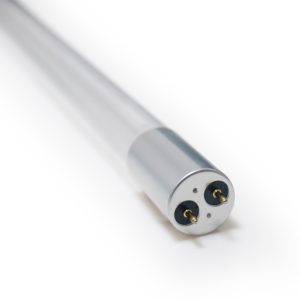
Getting Your UV Wavelength Exactly Right
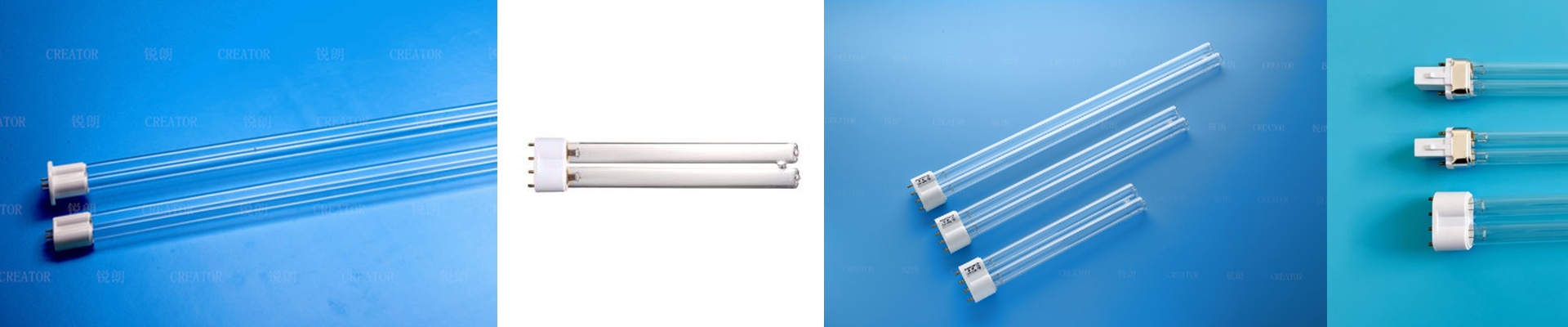
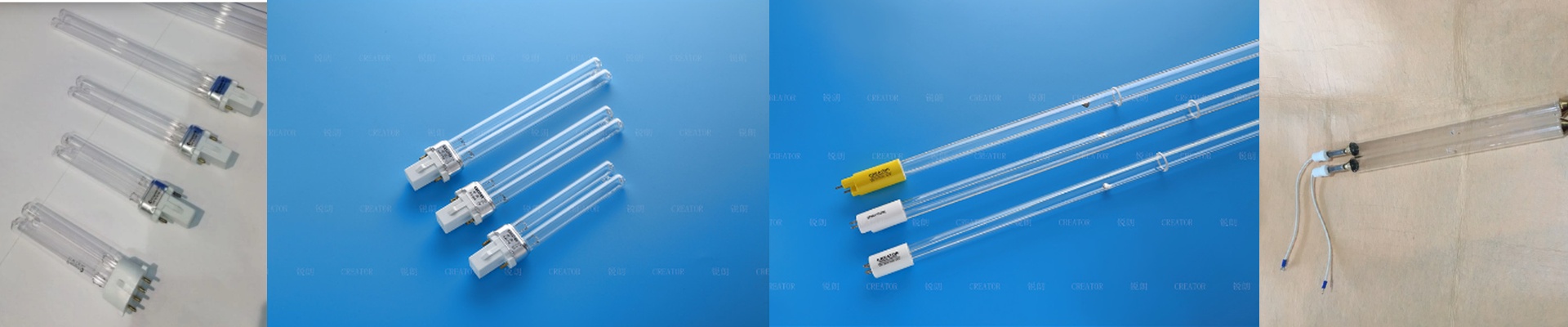
Most UV lamps you’ll find are just “one size fits all.” They’re generic. We don’t do that. Our whole approach is about narrowing things down—hitting those exact nanometer ranges your process actually needs.
The trick to picking the right wavelength
Here’s how it works: we play around with the gas mixture and the purity of the quartz envelope to control what comes out. Standard quartz is fine for basic stuff, but it lets too much through. If you’re trying to kill germs at 254nm, you don’t want radiation leaking into the 300nm+ range. Why? Because that’s just wasted energy. Worse, it can actually start eating away at your materials.
Dealing with heat and wear
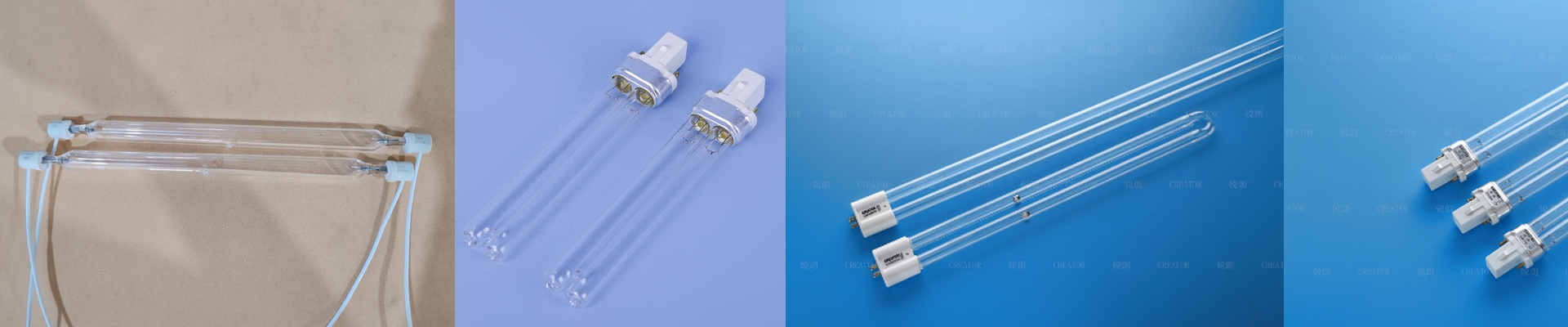
High-intensity UV creates a ton of heat. It’s brutal on the equipment. To stop the glass from “solarizing”—that annoying clouding effect that kills your UV output over time—we use high-purity synthetic quartz. It stays clear. It stays effective. But you’ve got to keep an eye on your cooling. If you crank the wattage to hit a specific target without the right airflow or water-cooling, the internal pressure spikes.The quartz will stress. Then it will crack. I’ve seen too many tubes burn out early just because the housing didn’t give the glass room to breathe and expand.
Putting it into production
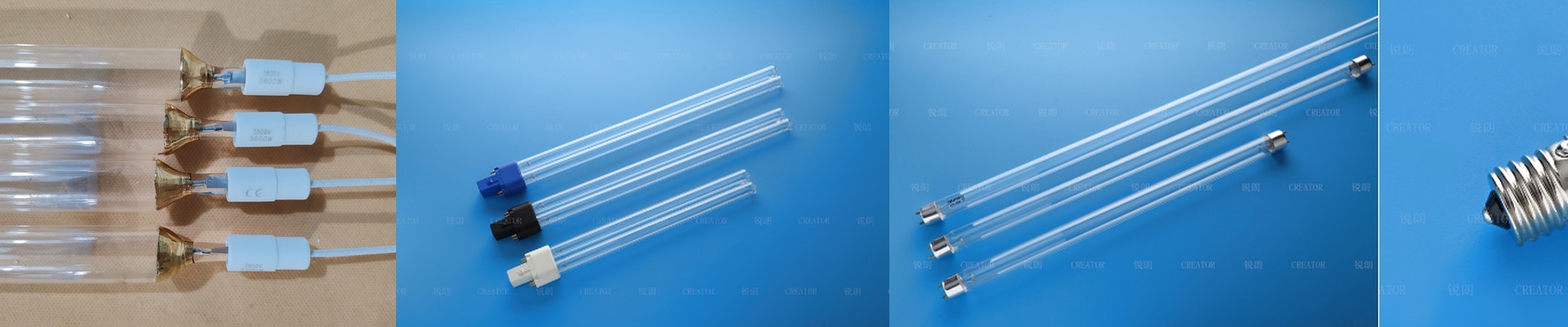
These tubes are designed to slide right into your existing OEM setups. But the real magic is in that tighter spectral peak. Because the light is more focused, your parts don’t have to sit under the lamp nearly as long. That’s a huge win if you’re working with PET or other plastics that warp the second they get too hot. One last tip: hook them up to a stabilized power supply. You want to avoid flicker. If the power jumps around, your curing depth will be inconsistent across the line, and that’s a headache you don’t need.