
Introduction
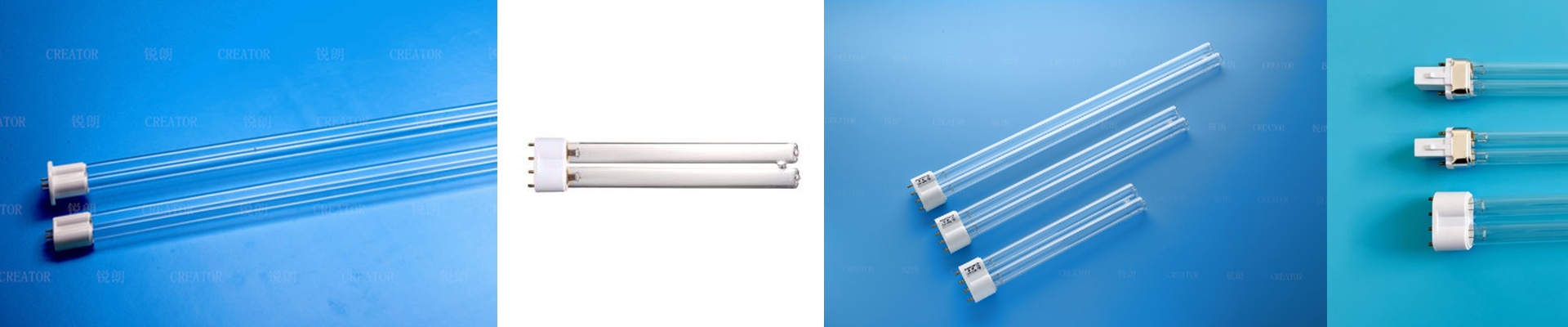
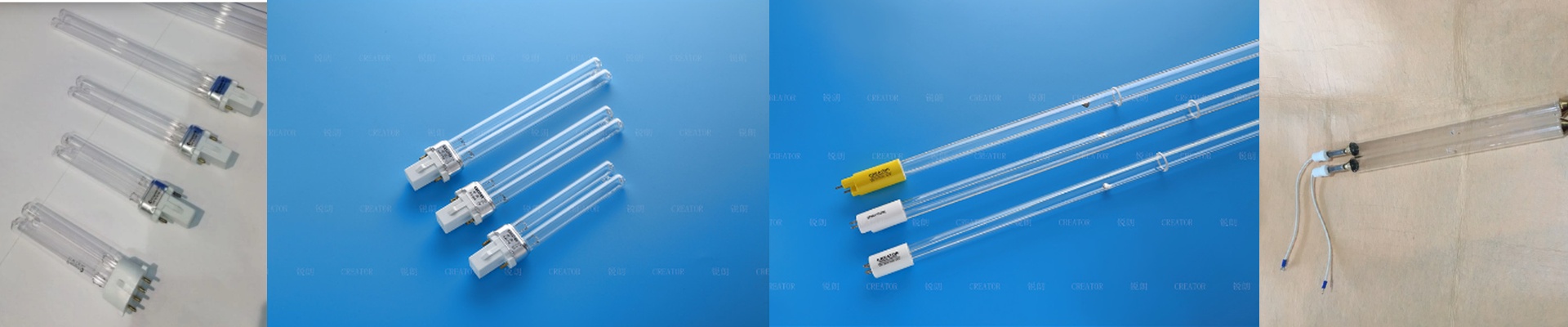
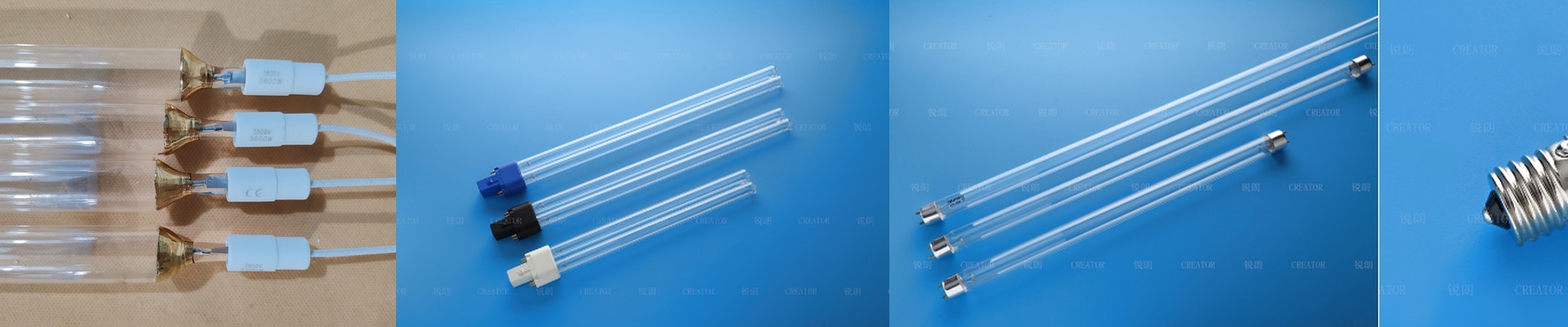
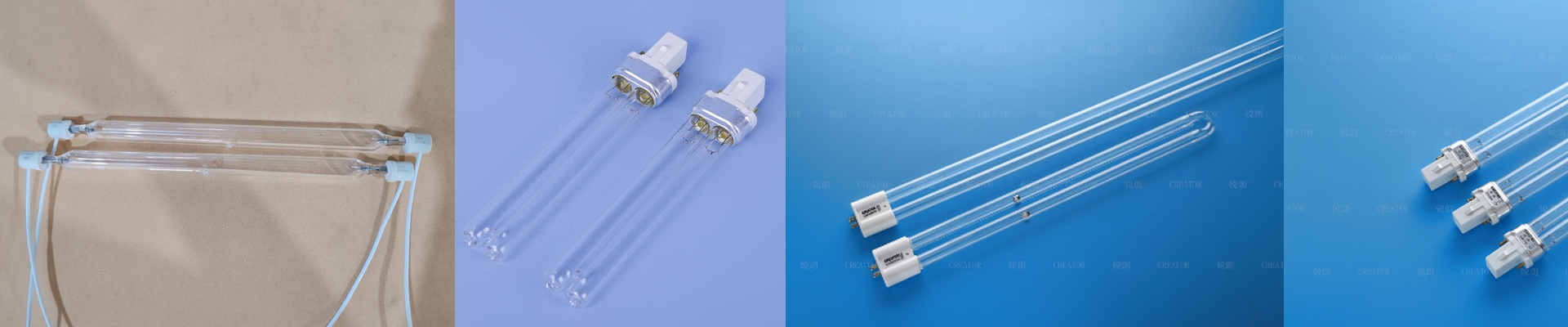
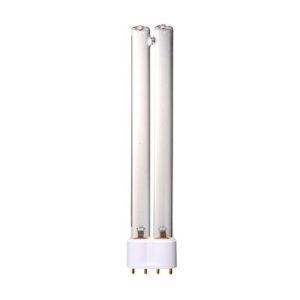
We built the Standard 120W/cm mercury UV lamp to be the one you can count on, day after day, on industrial UV curing lines. Think of it as a workhorse—built for engineers who need output that repeats, and a replacement that drops right in. Same footprint. Same power density. No fuss.
The Power Behind the Numbers
That 120W/cm isn’t pulled out of thin air. It’s the sweet spot for a lot of coating and ink lines. Enough punch to fully cure solvent-free and low-solvent formulas without scorching the material underneath. That power density shapes the whole electrical design, so the arc stays steady when you’re running nonstop. Once you nail the dose, your line speed stays predictable. No more crossing your fingers.
Why the Details Matter
We chose a quartz envelope because it transmits UV like a champ and keeps its cool under pressure. It handles the heat inside the lamp while keeping output consistent over its whole life. You get stable, short-wave UV—the kind that drives surface cure speed.
Built to Perform, Built to Last
Inside, it’s mercury vapor, because it delivers a broad UV spectrum that matches up with photoinitiators across countless industrial formulas. The electrodes are built for repeated starts and long burn cycles. And the whole thing is engineered as a direct-fit swap. Wire it up, and you’re good to go—no messing with the reflector box or redesigning the holder. Heat is the other half of the story. At this power level, the lamp runs hot, so the system needs proper cooling and the right reflector setup to keep the envelope temperature where it should be.
Where It Shines
This lamp is for curing coatings, adhesives, and inks—anywhere cure speed keeps your line moving. The high power density cuts dwell time, so you can run faster without stacking lamps. But the real win is repeatability. When you swap in a new lamp, you want the same spectrum and the same hotspot profile, so your process doesn’t need a redo. That’s why we stand behind the performance: if the curing result doesn’t match top-tier units at the same price, we cover the cost. One thing to keep in mind: 120W/cm needs serious cooling. If your line can’t shed the heat, output will drift and lamp life will suffer. Plan the heat path first. Then fire it up.