
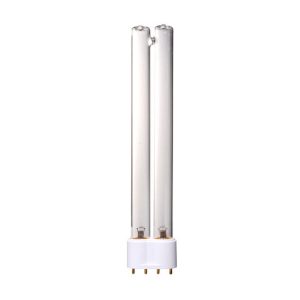
Why Most UV Lamps Fail on the Shop Floor (and How We Fixed Ours)
I’ve spent time in about 3,000 different printing plants. If there’s one thing I learned, it’s that there is a massive difference between a lamp that looks great on a spec sheet and one that actually survives a 24-hour shift in a real factory. Most companies just chase raw wattage. They think “more power equals better.” But we looked at it differently. We wanted to figure out how to keep cure speeds steady without the lamp giving up the ghost halfway through the week.
The heat struggle
Here’s the thing about industrial printing: you need that ink to set fast. But if you cram too many watts into a short tube, you’re just asking for trouble. You’ll either scorch your material or fry the electrodes. We spend a lot of time tweaking the voltage and wattage so the UV output hits its peak exactly when the ink passes under the lamp. And then there’s the heat. High intensity means a lot of warmth. If you crank up your conveyor speed, you need more power—which means your cooling blowers have to work twice as hard to pull that heat away. If they don’t? The quartz tube degrades. Simple as that.
The stuff it’s actually made of
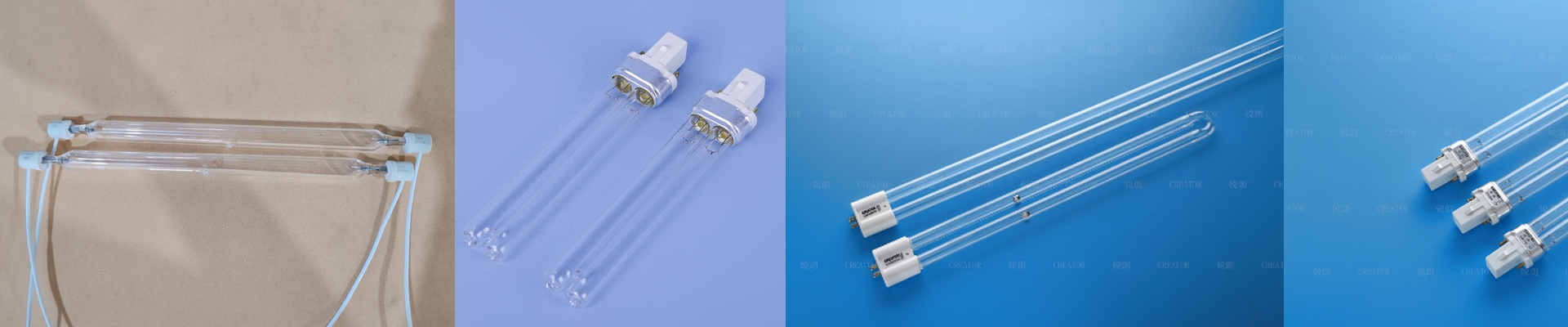
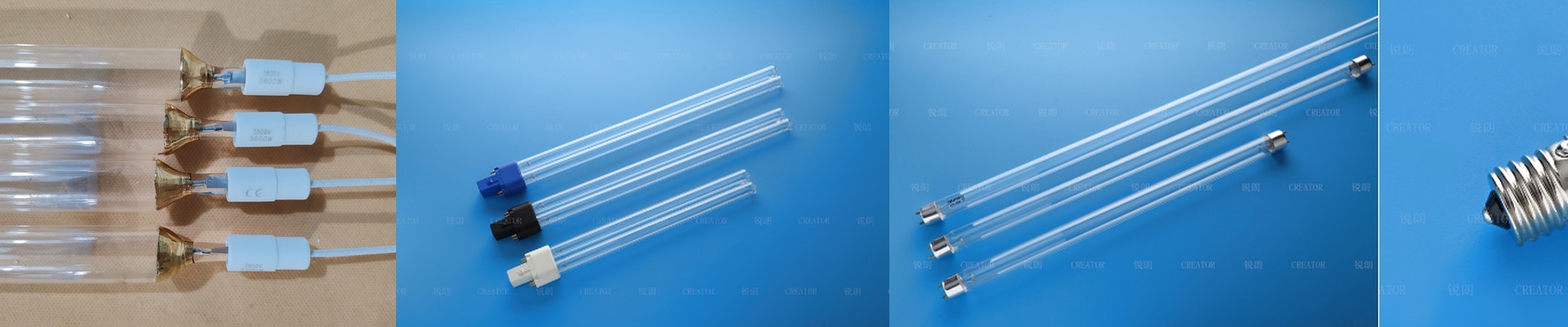
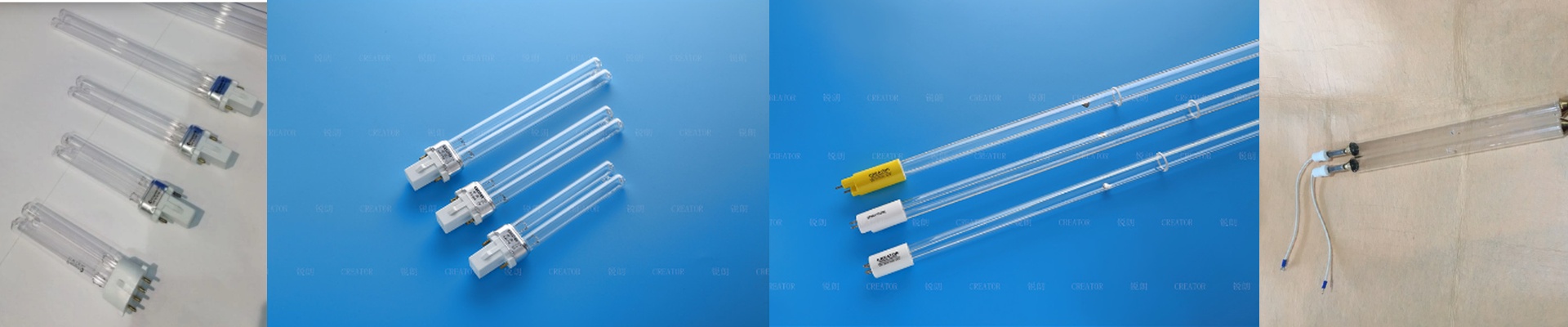
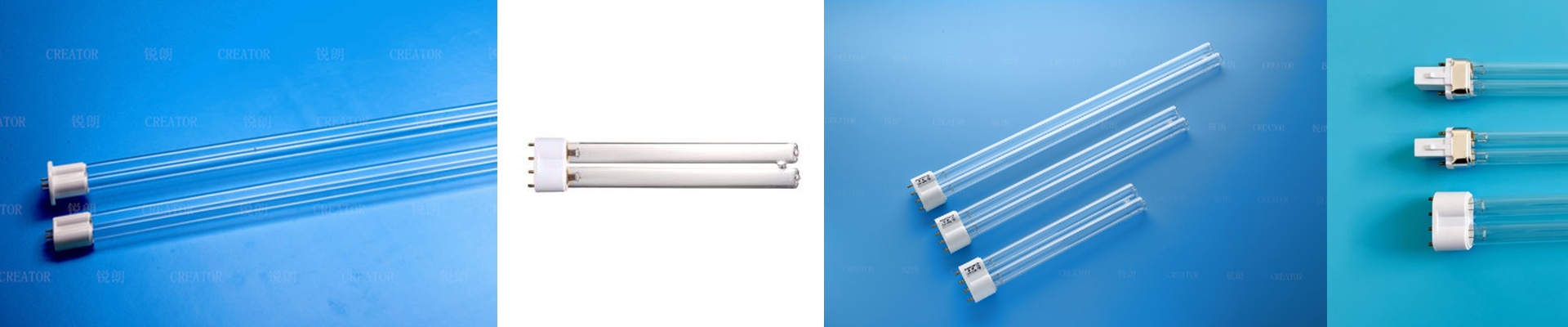
We use high-purity quartz. Why? Because cheap glass blocks the very wavelengths you need to actually cure the ink. It’s a waste of electricity. We also made sure our connectors are simple, drop-in replacements. I’ve seen too many frustrated technicians having to rewire an entire rack just to swap a bulb. That’s a nightmare nobody needs. We also obsessed over the footprint. We designed the length to kill those “dark zones” at the edges of the station. There is nothing worse than pulling a print off the line and realizing the edges are still tacky.
The honest trade-off
Look, there’s no such thing as a magic bulb. If you want a high-output lamp for lightning-fast cures, you’re going to burn through the bulb faster. It’s a straight trade: bulb life versus line speed. That’s why we give you options. If you’re running at a medium pace and want a lamp that lasts 2,000 hours, we’ve got that. If you need max throughput and don’t mind swapping the bulb every 800 hours, we can do that too. It just depends on how you run your business.