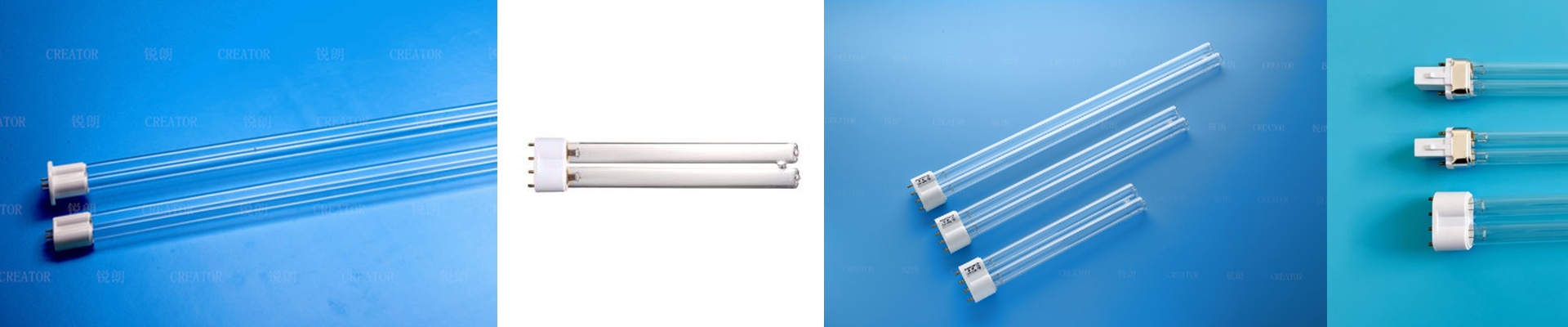
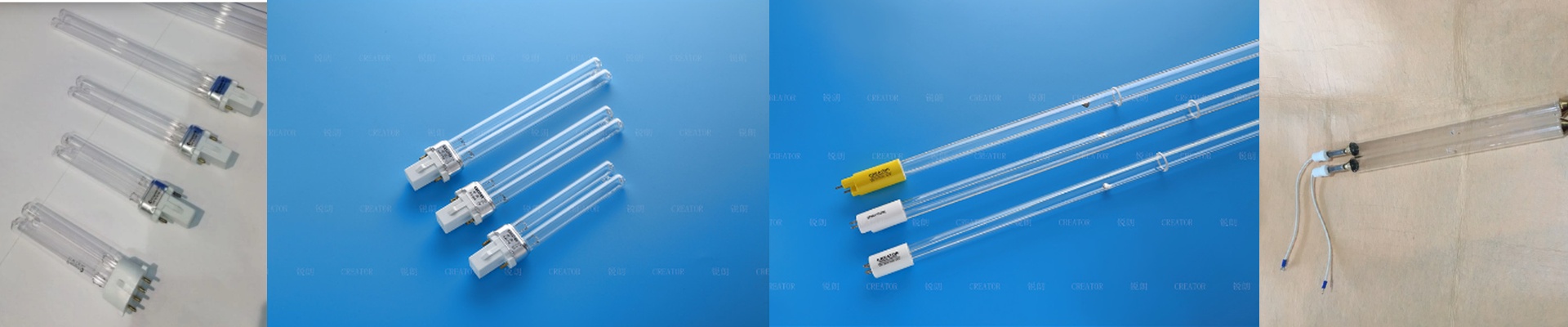
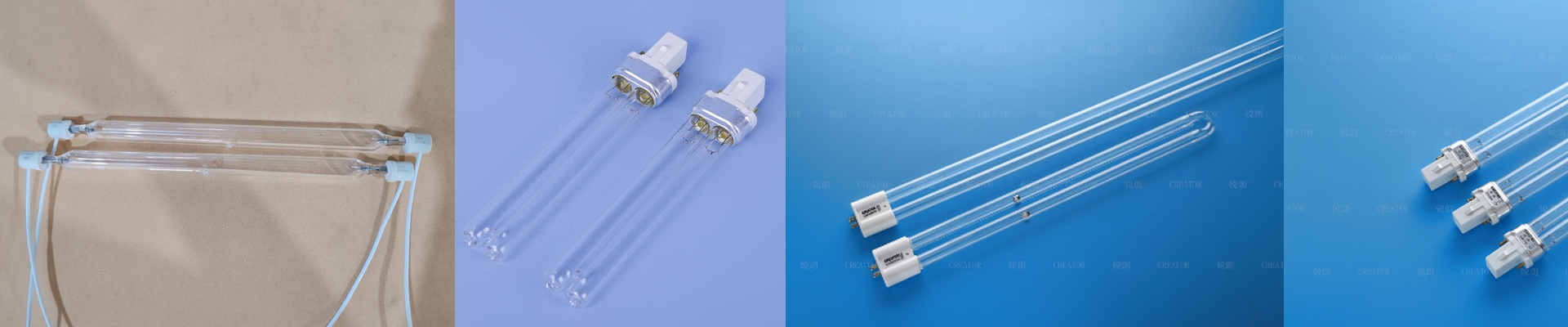
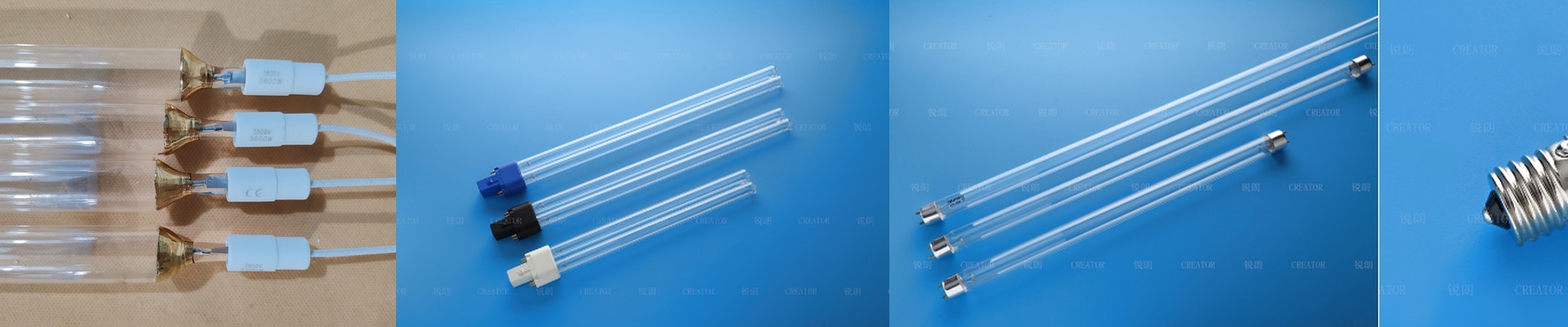

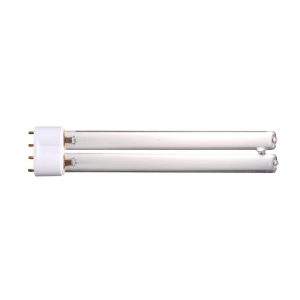
On the press floor, mixed-ink runs—solvent-based adhesives stacked with waterborne topcoats—always seem to hit the same snag: the UV spectrum is out of step. You either end up with surface tack that won’t go away, or through-cure that lags. So we built our high-pressure mercury UV lamp around a tunable spectral profile. The point is to match the photoinitiator absorption, not just throw max power at the job. The heart of it is a stabilized mercury vapor discharge, running through dichroic-coated reflectors and ozone-free quartz envelopes. Peak output sits at 365 nm for deep cross-linking, and we keep controlled shoulder energy in the 385–405 nm band to drive surface cure on waterborne films. We hold irradiance uniformity across the lamp length within ±8%, and keep spectral consistency from lamp to lamp within ±2 nm. That means setpoints travel between machines without rework. And we designed for long-term output stability: units routinely run 5,000+ hours with less than 5% drop in peak irradiance, while arc stability keeps the dose repeatable job after job. In hybrid printing, you dial the spectrum to the ink stack. For adhesive layers, 365 nm gives you full cross-linking. For waterborne color and clear coats, nudging toward 385–405 nm accelerates surface cure without cooking the substrate. The payoff is straightforward: fewer rejects, higher line speeds, and adhesion that stays consistent across the run. Energy use drops because you’re curing with the right energy, not just more of it. Installation comes down to the fixture. Match lamp length, arc gap, and reflector geometry to your curing station—mismatched reflectors waste dose and create hot spots. Expect a warm-up window, typically 3–5 minutes, before the spectral output settles. Run forced air across the lamp and substrate. Even with ozone-free quartz, proper airflow keeps quartz temperature in check and protects output stability.