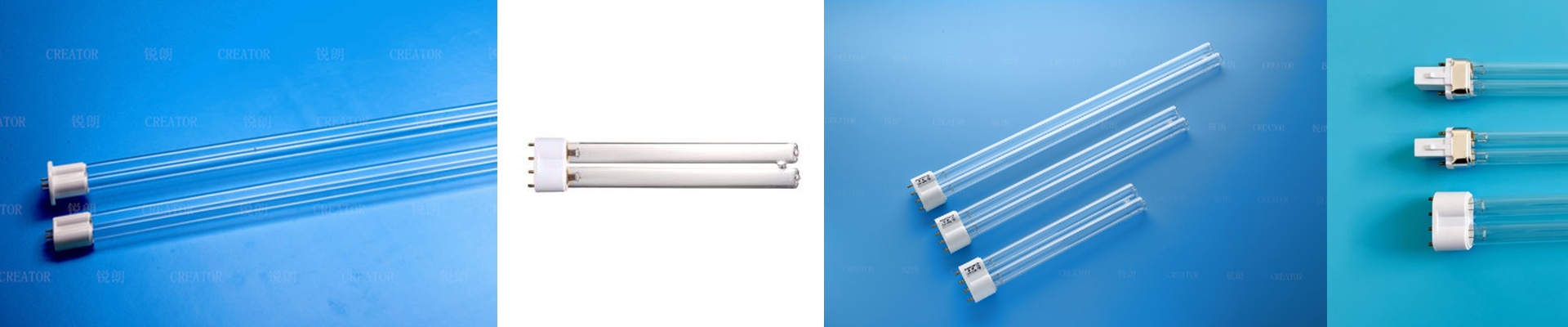

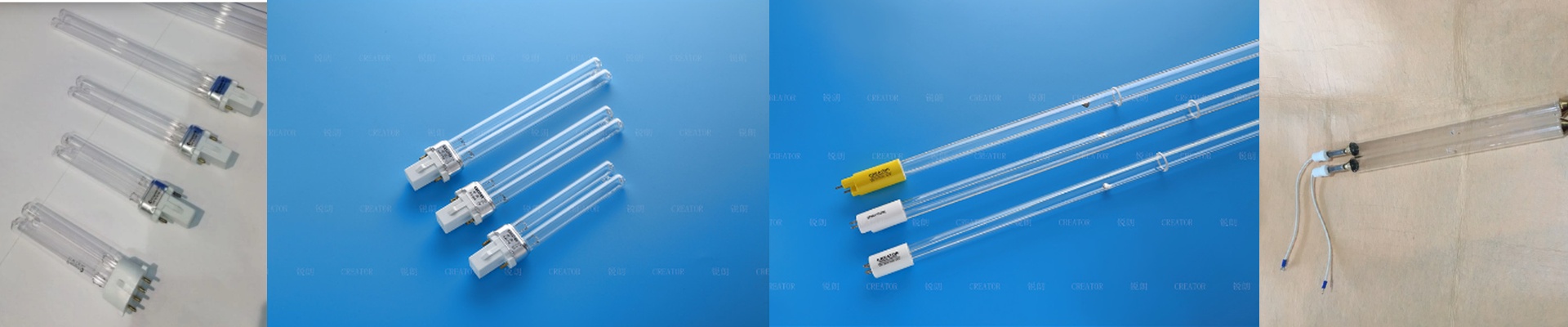
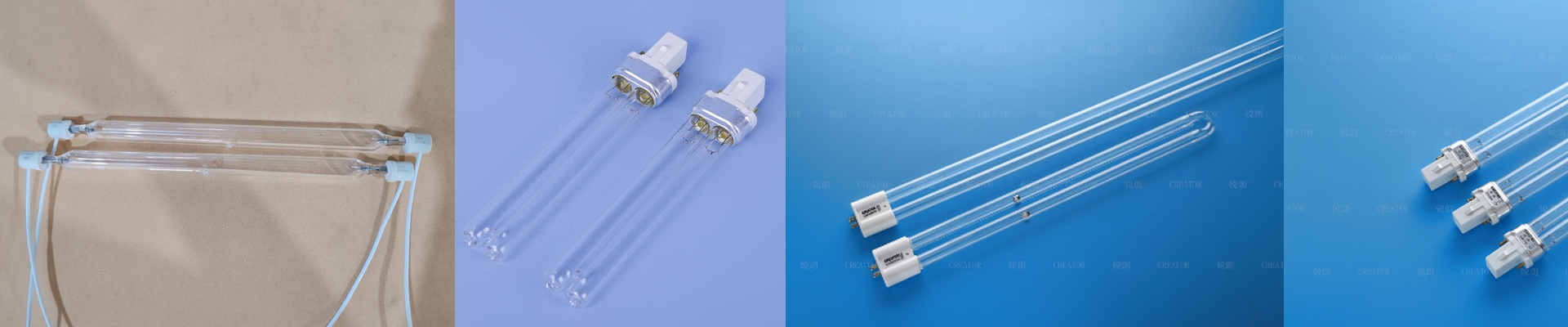
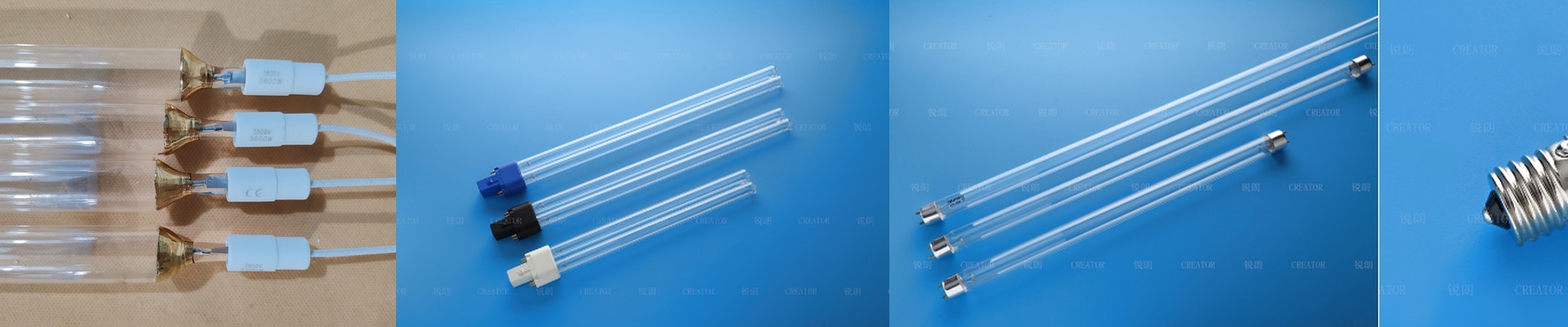
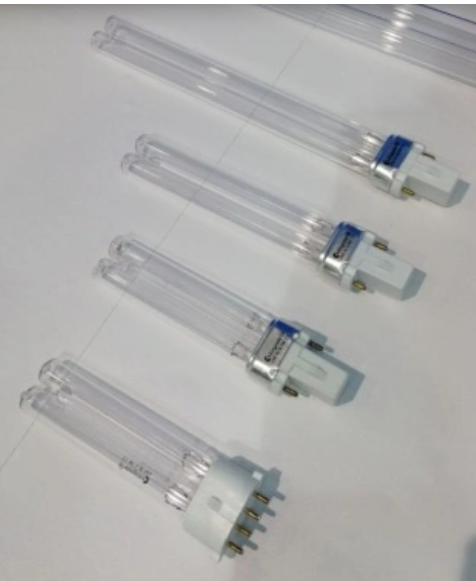
On a dusty offset floor, reflector fouling is the quiet killer. You watch spectral output fall and peak irradiance collapse, and the plate line has to slow just to keep cure quality from slipping. We built the Gallium UV lamp for offset plates around a fully enclosed, high-reflectance reflector. The idea is simple: keep the optical path clean and hold the thermal envelope steady. The lamp runs a gallium-doped arc, delivering a stable, ozone-free spectrum centered at 395 nm. That wavelength is a direct match for the photoinitiators in most offset plates. Energy density stays consistent across the arc length, and the spectral width stays tight. Less substrate heating, while cross-linking still happens. The reflector uses a dichroic coating optimized for 380–420 nm and holds 85%+ reflectance even after extended exposure to airborne particulate. A sealed housing blocks dust ingress and protects the mirror surface, so you keep rated output instead of chasing degradation. Here’s why it matters in practice. In a dusty shop, the enclosed reflector stops the mirror from turning into a heat sink for grime. Thermal output stays predictable, lamp-to-lamp variation drops, and you can run longer cycles without cure falling off. Fewer stops for cleaning. Lower energy per sheet. Cure stays consistent across the press run. Installation note: the sealed reflector adds a bit to the envelope footprint. Check clearance against the plate cylinder and the lamp mounting brackets, and confirm reflector temperature limits against your press cooling profile. Match the lamp to your existing UV system’s power supply and connector type. At startup, run a spectral radiometer baseline to lock in your irradiance targets.