
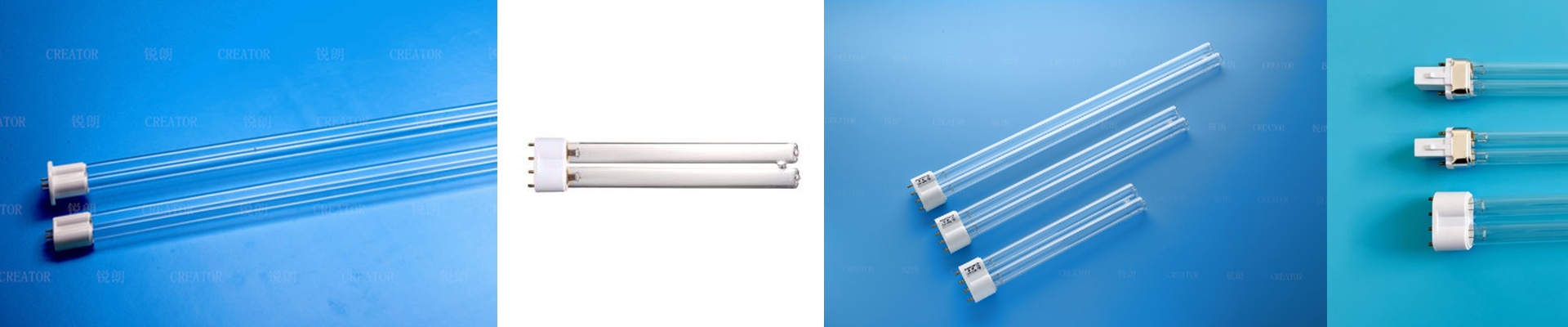
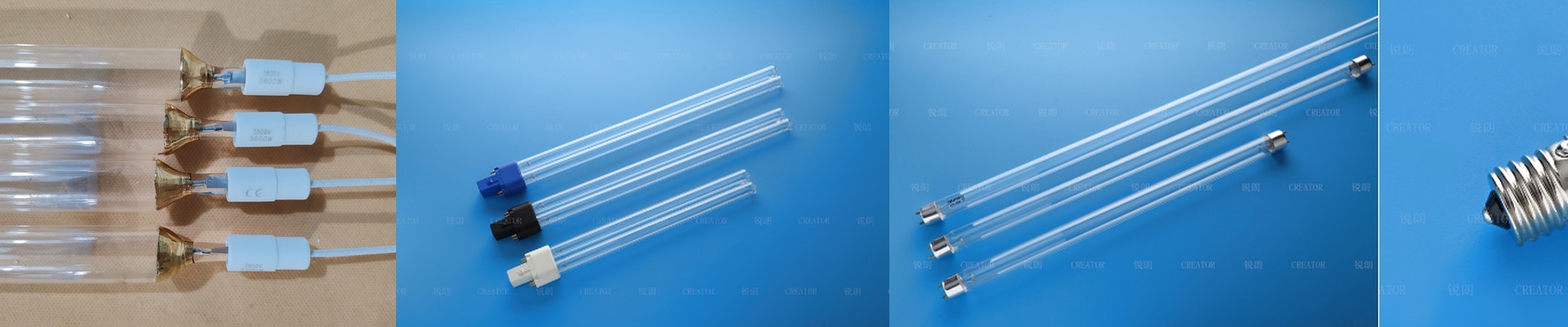
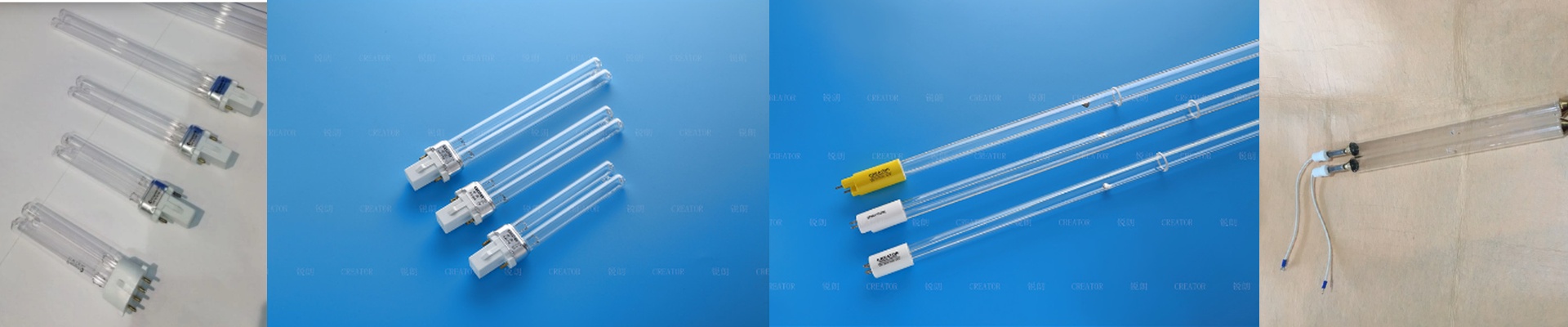
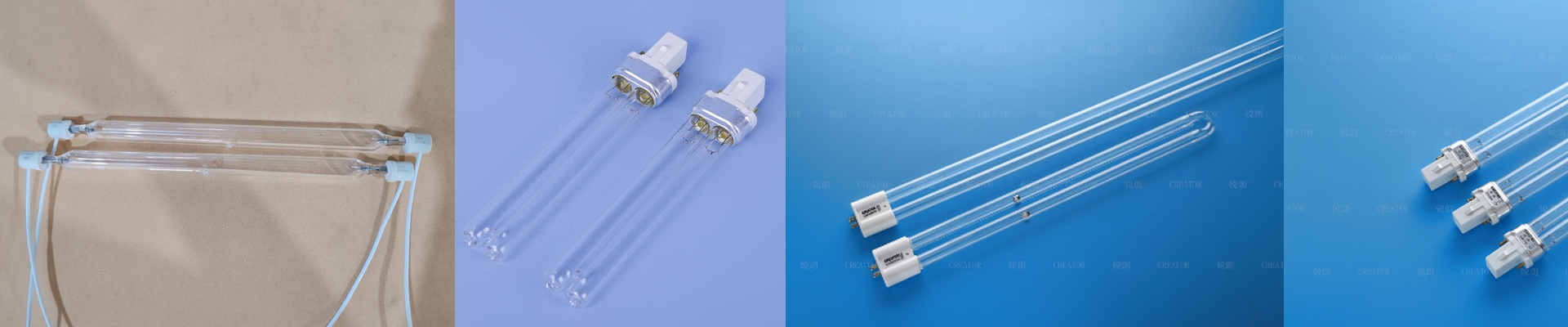
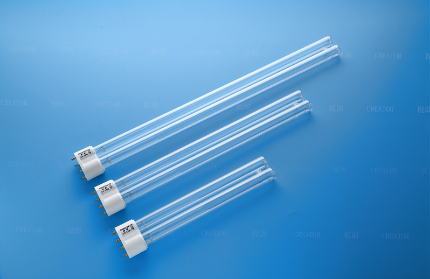
Out on the floor, a good print starts with one thing you can’t negotiate: steady, repeatable UV energy. When the lamp isn’t pulling its weight, you get pinholes, adhesion failure, and color drift—scrap that eats margins and blows up the schedule. We built these UV mercury curing lamps to take the guesswork out of that equation. What matters is what you can measure. We hold a stable spectral output centered on the mercury lines that drive photoinitiator absorption, keep wavelength control tight, and pair it with a reflector system that delivers high peak irradiance across the full arc length. The payoff is consistent curing energy density, job after job. And it stays consistent over the life of the lamp. Units routinely run 5,000+ hours with low attenuation, and the envelope is built for low decay—so the reading on your radiometer looks the same in the first hour as it does in the last. Industrial printing lives at line speed, and that’s where this design earns its keep. The lamp delivers the intensity needed for rapid cross-linking on offset, flexo, and screen, without wasting energy on a broad, unnecessary spectrum. That means a faster curing window, fewer rejects, and throughput you can plan around. Efficiency shows up where it counts. Reflector efficiency focuses the output where the ink needs it, so energy use drops. Longer lamp life cuts change-outs, downtime, and the spare inventory you have to carry. One practical heads-up: high-intensity UV mercury lamps demand a matched system. Make sure the fixture is compatible, provide enough airflow for thermal management, and verify reflector alignment so you hit the designed spot profile. Treat the start-up properly—let it warm up to rated output, then lock in your exposure parameters. When it’s set up right, the lamp behaves like a fixed, repeatable process variable. You can count on it shift after shift.