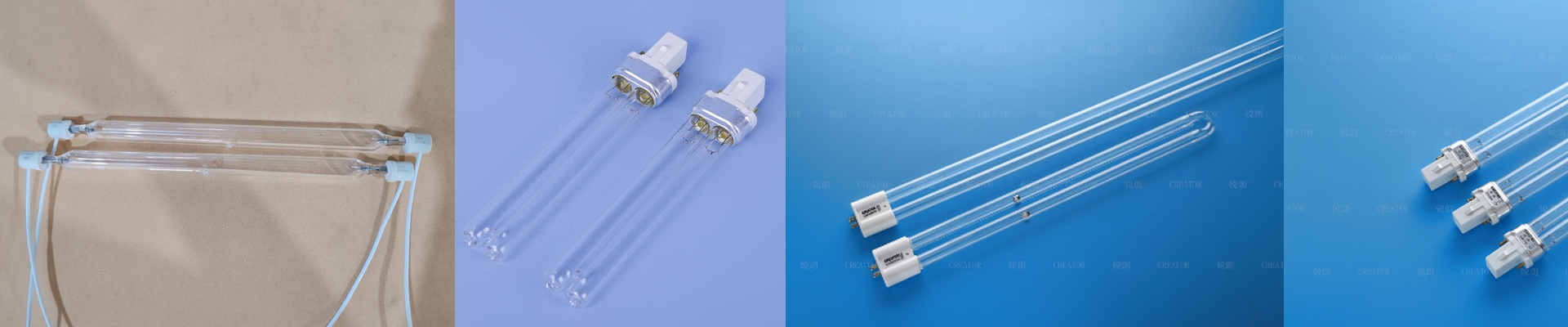
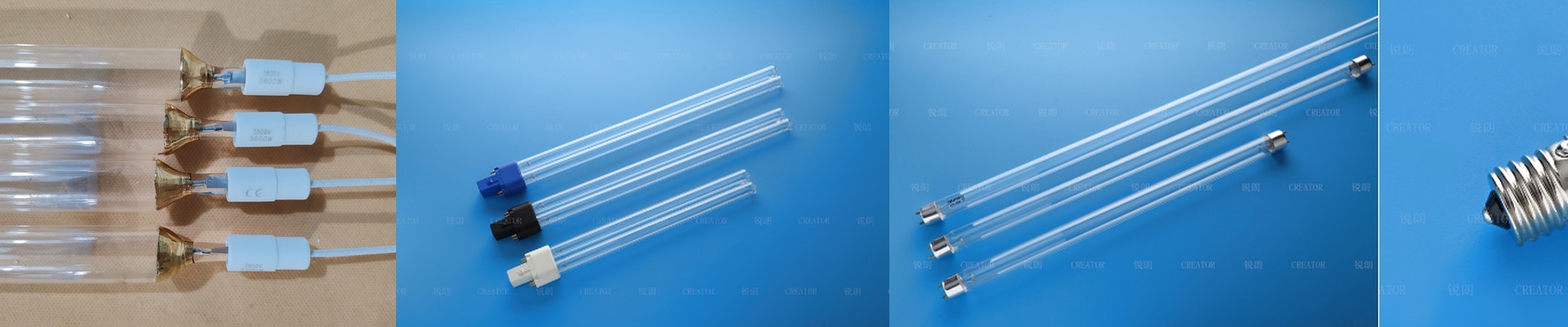
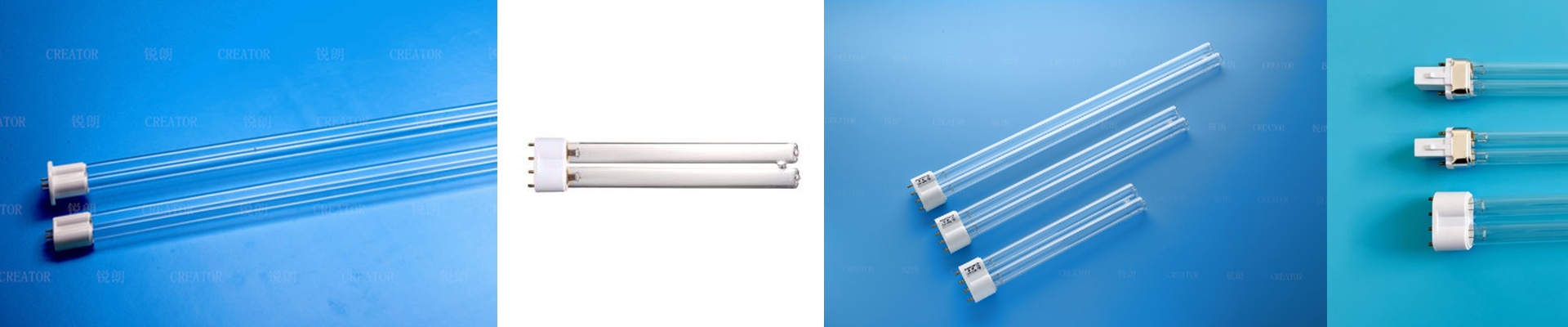
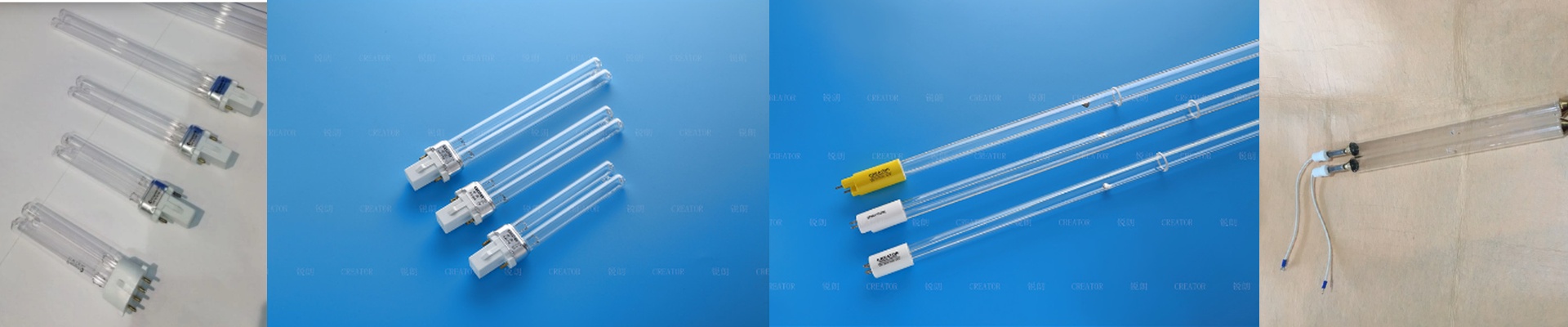

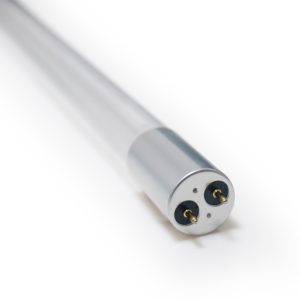
Outdoor canvas gets hammered—sun, rain, and constant heating and cooling. If the UV-cured ink layer doesn’t cross-link deep enough, you’ll see color fade and adhesion start to go, and then the reprints and rework pile up. The issue isn’t whether UV cures; it’s whether the lamp’s spectral output and delivered energy density are actually matched to the ink’s photoinitiator package. What matters, technically Gallium iodide lamps push UVA toward 405 nm, and that spectral profile sits well with modern photoresist and pigmented UV inks. Compared with standard high-pressure mercury vapor lamps, you get less short-wave UV, so you avoid surface-only cure and drive through-cure in thicker ink films. With an elliptical reflector and a dichroic coating tuned for 405 nm, expect peak irradiance around 800–1200 mW/cm² at the substrate plane. Hit 500–800 mJ/cm² at the print surface, and the ink polymer network forms a dense, weather-resistant matrix. Lamp life is typically 3000–5000 hours; track output with a spectral radiometer and swap the lamp when irradiance falls below 80% of initial. Why this works for outdoor canvas Durability comes down to energy density and spectral match. Gallium iodide lamps deliver stable output that cuts through pigment layers, so cross-linking stays consistent across the whole image. In accelerated weathering, properly cured prints keep color density and adhesion past 3 years, with typical ΔE < 3 after 1000 hours of xenon exposure. On the press floor, that translates to fewer rejects, ink tack that stays put, and drying behavior that doesn’t drift run to run. A few shop-floor reminders Match the lamp output to the ink’s photoinitiator window; if the spectra don’t line up, you’re wasting energy and risking under-cure. Check your substrate temperature limits—canvas can scorch if irradiance is too high or dwell is too short. Make sure lamp length, arc gap, and reflector geometry fit your curing module. The wrong reflector will cut delivered energy, plain and simple. You’ll get ozone-free operation, but ventilation and UV shielding are still non-negotiable.