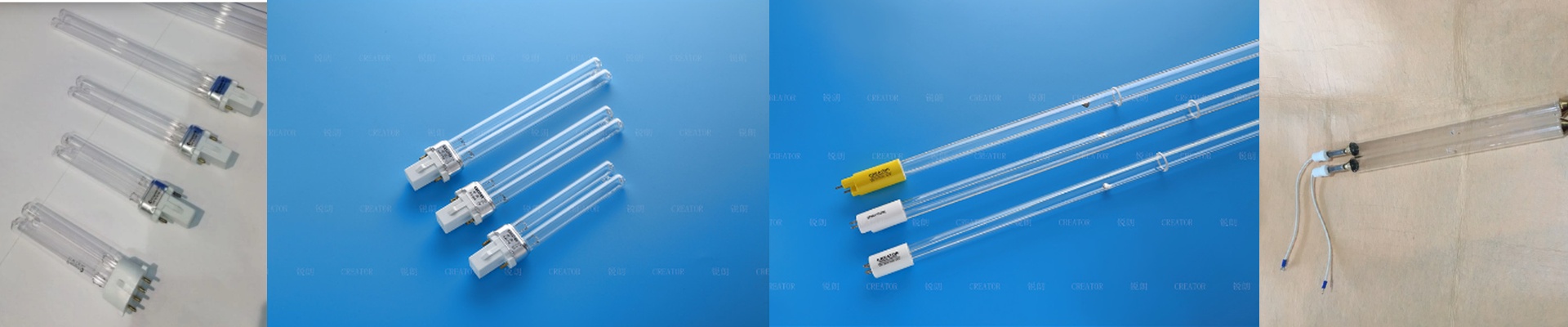
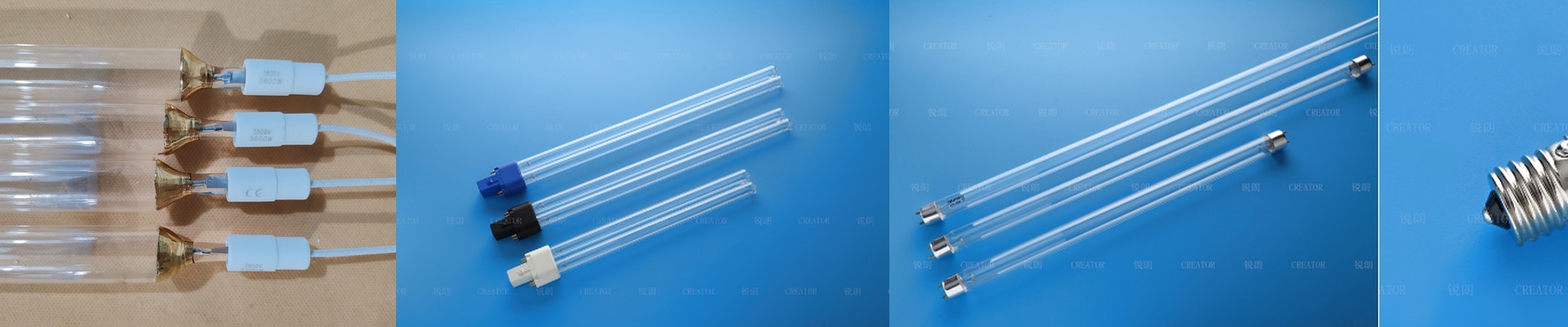
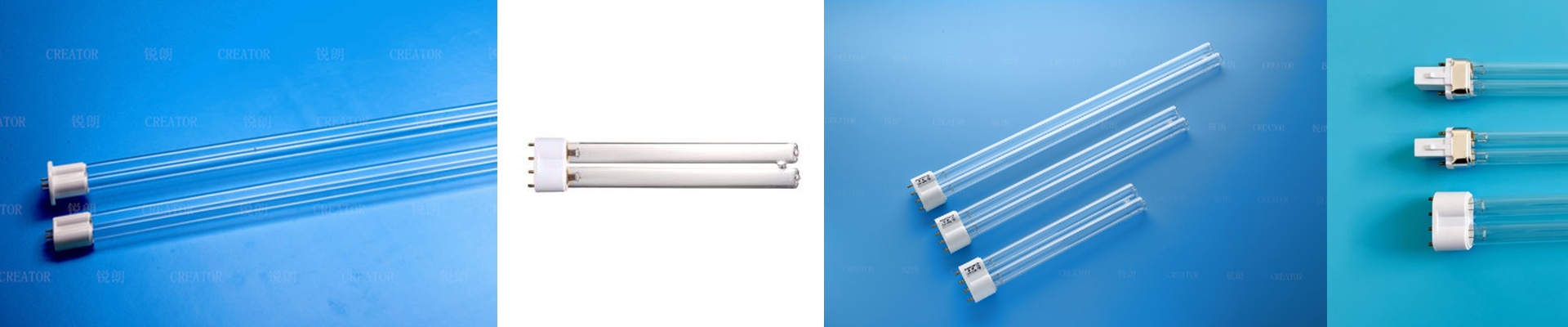
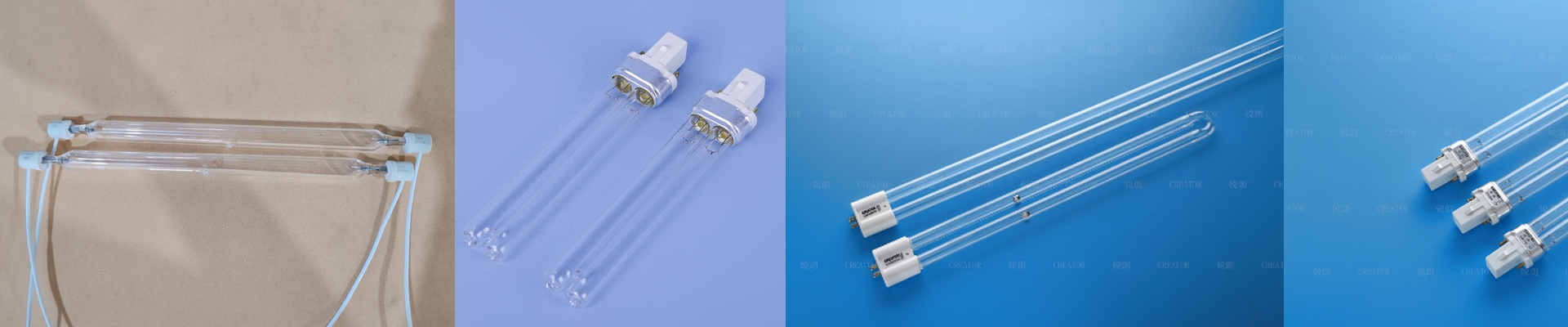

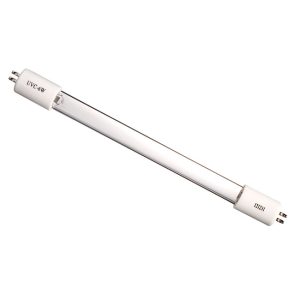
Run heat-sensitive fabric jobs and you know the headache: a conventional mercury-arc system turns the substrate into a problem. You get warp, dye shift, and edge curl that eats into your seconds and scraps good print. We built a cold-source UV lamp to keep substrate temperature in check while still delivering full cross-linking. The payoff is curing that behaves like a process variable, not a blast of heat. Here’s what matters on the technical side: spectral and thermal profile. The lamp uses a low-heat emitter with tight spectral output centered on 365 nm, matched to the photoinitiators in UV-curable inks and coatings. Peak irradiance hits 1200 mW/cm² at the substrate plane, backed by a 95% reflector efficiency and a dichroic coating that reflects UV while transmitting IR. In practice, that translates to fast cure—typical dose 400–600 mJ/cm²—while the fabric surface stays in a narrow thermal window that prevents dimensional drift. And we run the system ozone-free, so you skip the ventilation hassle and maintenance burden that come with high-ozone lamps. Why it works on the floor is simple: it separates cure energy from heat load. You keep register, color consistency, and hand feel on synthetics, blends, and coated substrates that would otherwise buckle. You end up with higher first-pass yield, fewer reprints, and stable output across long runs. Energy draw is lower than a high-pressure mercury system of equivalent output, and lamp life follows a stable degradation curve, not a sudden cliff. A few things to keep straight. The cold-source approach demands tight control of lamp-to-substrate distance—typically 15–25 mm—and consistent web speed to hit target dose. Integration is straightforward on most industrial printers, but you have to match the reflector geometry and power supply to the machine’s dwell window. Plan on a dedicated temperature monitor at the curing zone. When substrate behavior starts drifting, that monitor is the fastest diagnostic you have.