
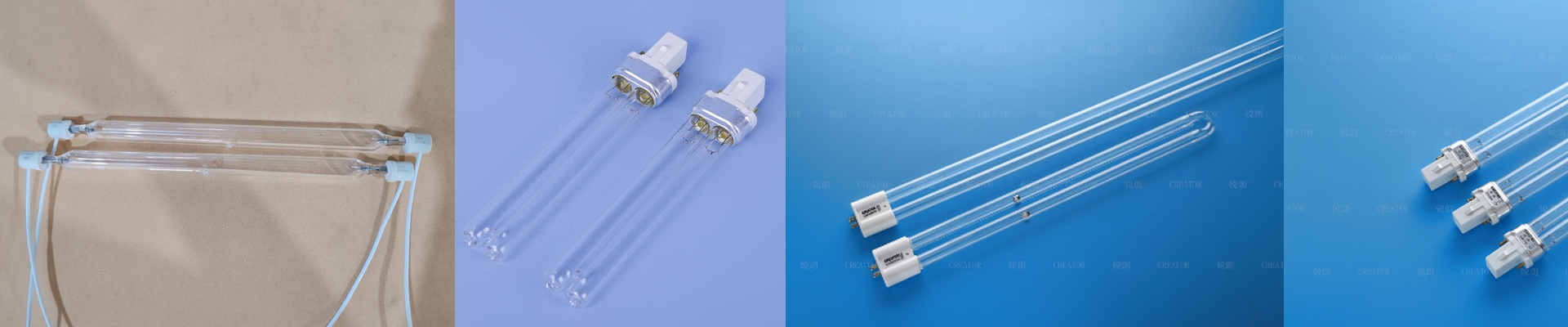
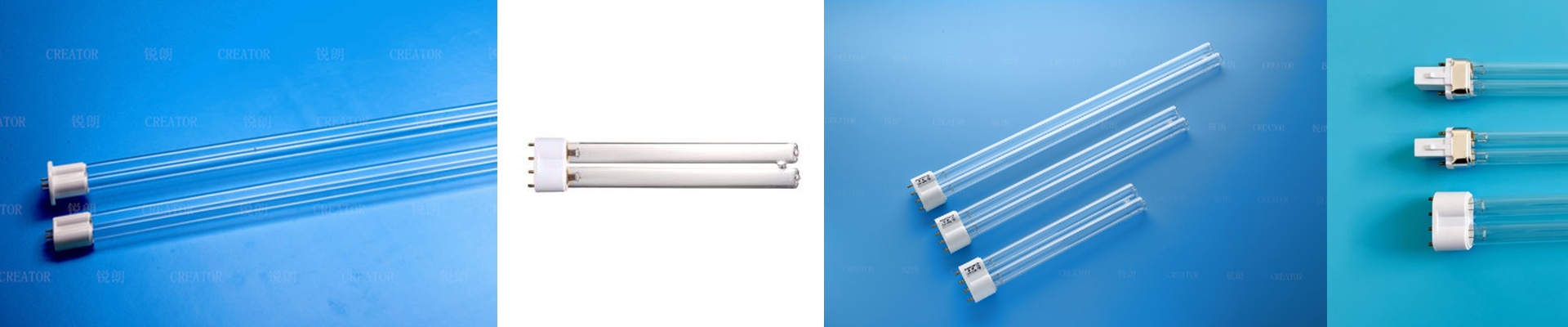
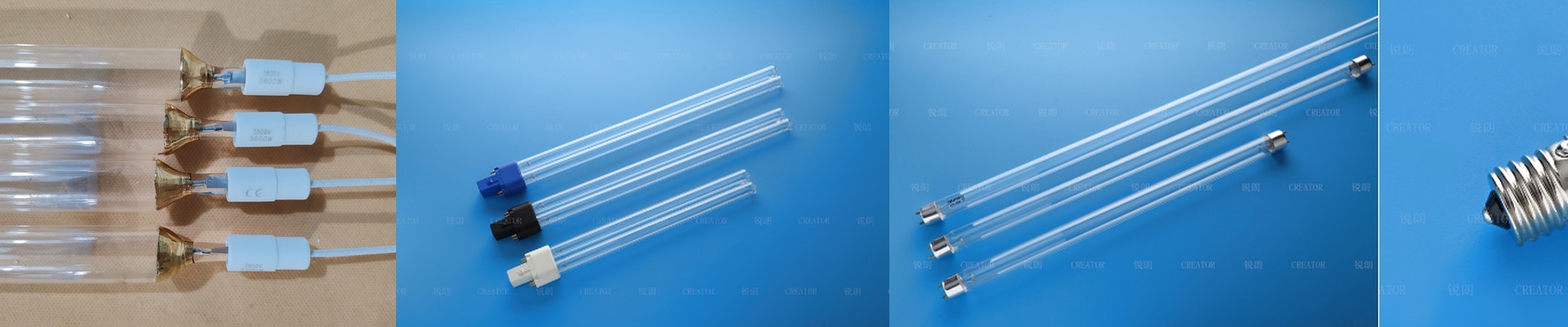
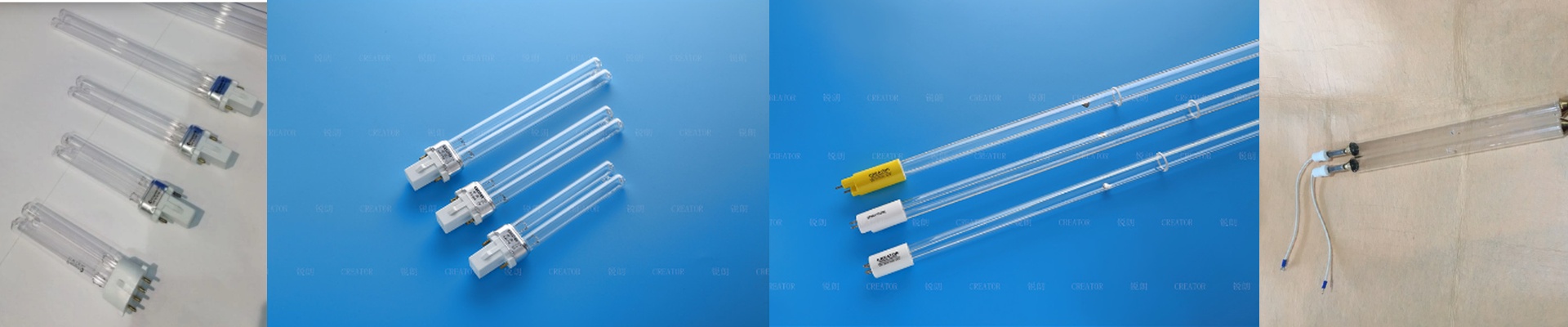
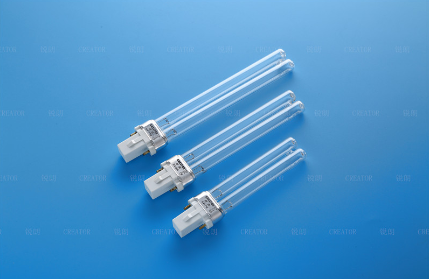
Out on the floor, a UVC setup can look right on paper and still miss the mark. If you aren’t measuring intensity in real time, you’re running on guesswork—and guesswork is how you get failed validation, recalls, and wasted makeready. UVC germicidal performance isn’t a vague claim. It’s straight physics: irradiance and delivered dose. What actually matters under the hood UVC sterilization comes down to matching the microorganism’s absorption to the lamp’s spectral output, then hitting it with enough energy density (mJ/cm²) to knock it out. A high-power UVC emitter needs stable output at the germicidal wavelength—usually 254 nm—with predictable peak irradiance and a known lamp degradation curve. Intensity monitoring closes the loop: the radiometer reads irradiance, the controller tallies cumulative dose, and the process becomes something you can measure instead of hope for. Without that loop, you’re at the mercy of lamp aging, line voltage drift, reflector fouling, and distance changes—all of which quietly shave performance. Why this works in a real industrial line In disinfection runs, you need repeatable results shift after shift. Continuous intensity monitoring turns UVC into a closed-loop process. You set a dose target, you log it, and you can prove it when the auditor shows up. The payoff is fewer under-dosed batches, fewer over-exposed cycles, and steady throughput. We’ve seen installations hold setpoint within tolerance for 5,000+ hours, with output drift tracked and compensated instead of crossed fingers. The shop-floor details you can’t skip UVC intensity drops with the square of distance, and it tails off as the lamp approaches end-of-life. Reflectors lose efficiency as they oxidize, and quartz sleeves can foul. Plan for periodic radiometer calibration and a defined lamp replacement schedule. Lock down mounting distance and airflow, too. Even a small shift in position can move measured irradiance enough to change the validated dose.