
Making UV Lamps That Don’t Trash the Planet
Let’s be honest: UV-C lamps are great for killing germs, but the industry has a dirty secret. We’ve spent years just accepting that these things burn out quickly and leave behind a mess of hazardous waste. It’s a cycle of “buy, use, toss, repeat” that just doesn’t make sense anymore. We decided to stop ignoring the waste and actually fix the design.
Better materials, less junk
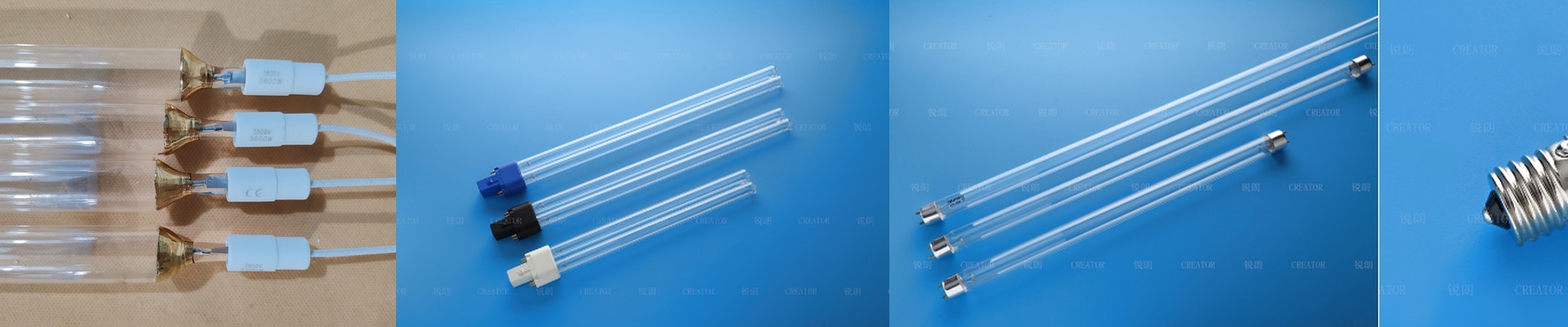
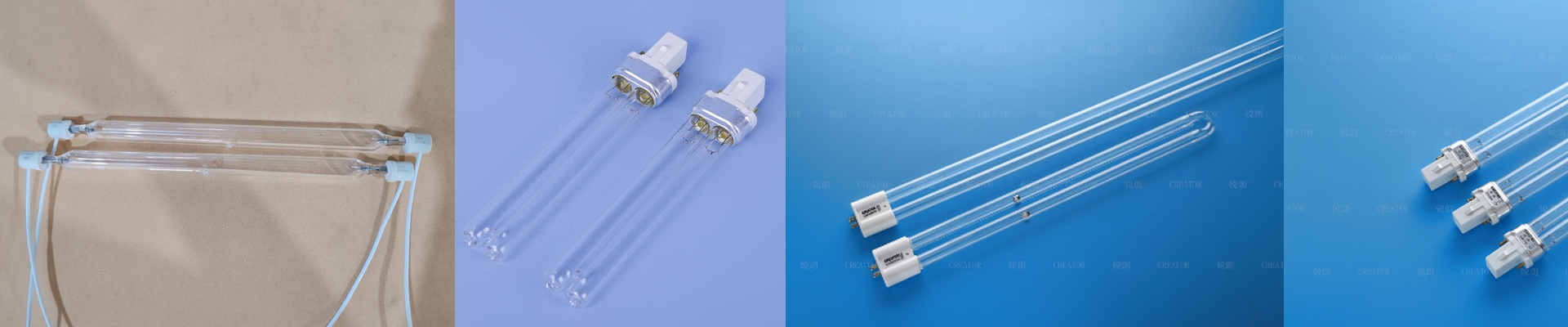
Most lamps are made with stuff that makes disposal a nightmare. We switched things up. By using high-purity synthetic quartz and getting rid of the lead in the glass, we’ve cut out the toxic runoff. The best part? You aren’t trading performance for ethics. You still get that 254nm wavelength hitting exactly where it needs to, but without the guilt of sending hazardous chemicals into a landfill.
Stopping the “Blackout”
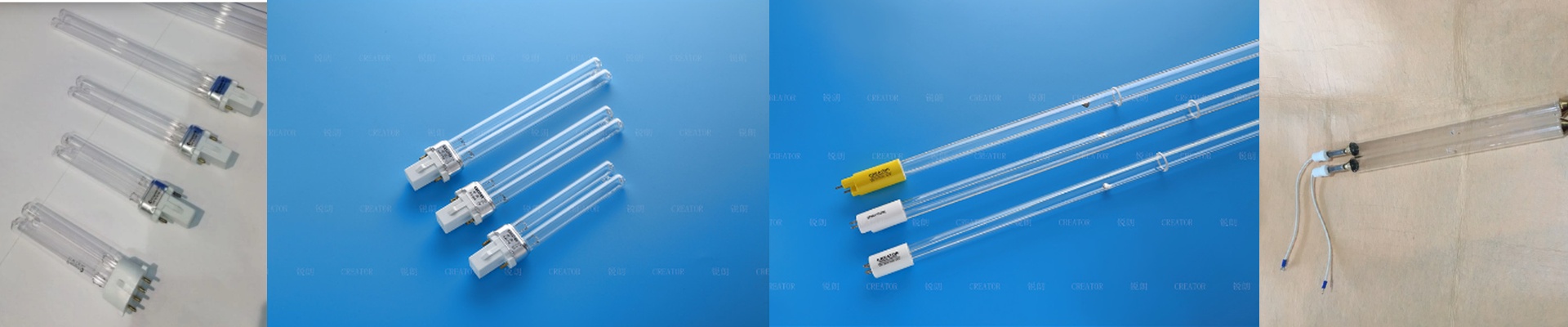
If you’ve used these lamps, you know the frustration. The gas is still in there, but the ends of the tube turn black, the light fades, and suddenly you’re replacing a lamp that should have lasted longer. We tackled this by rethinking the cathode emitters. It stops that blackening effect in its tracks. Now, the light stays strong and stable for thousands of hours. It’s just… reliable. One heads-up, though. These long-life tubes are a bit more particular. You’ll need a ballast that matches their specific impedance. If your power supply is off, you’ll get flickering or a premature burnout. It’s a small detail, but it’s the difference between a lamp that lasts and one that pops.
Less swapping, more doing
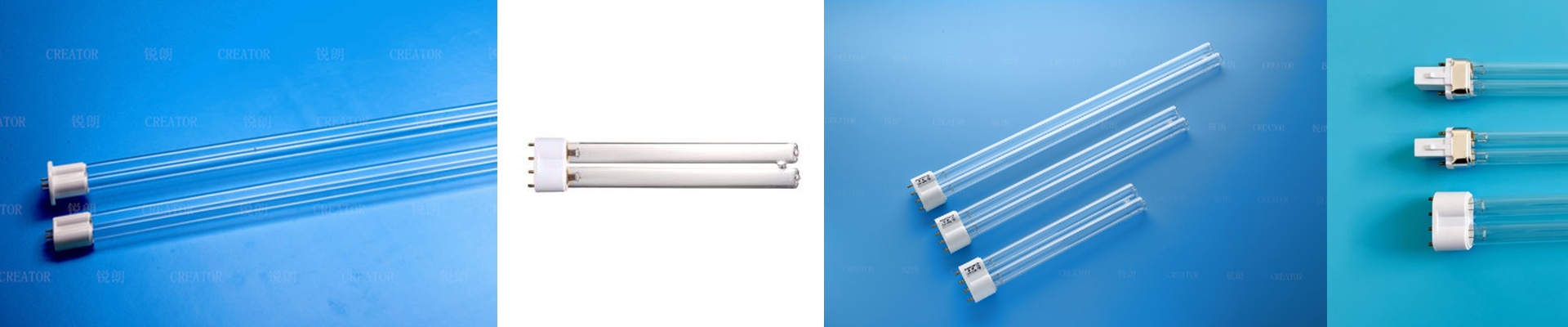
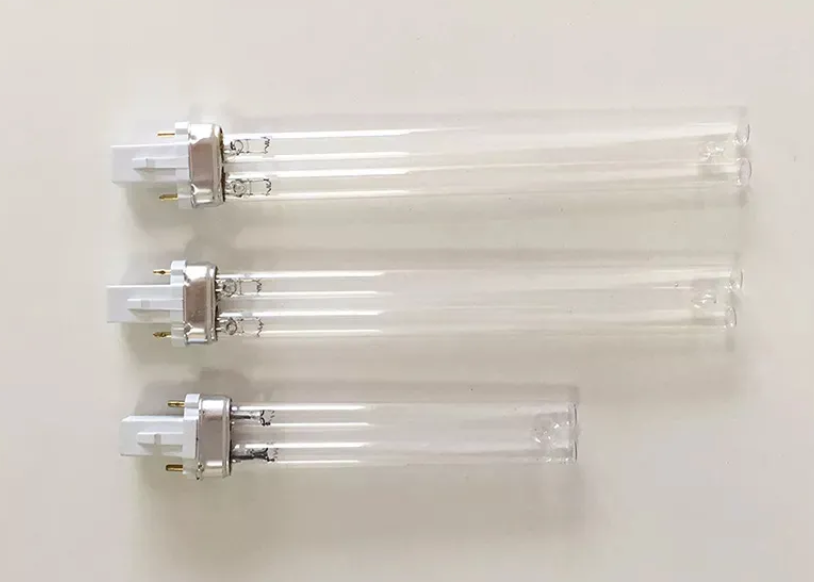
We made these as drop-in replacements. You don’t need to rebuild your whole system; you just swap the old bulbs for these. Think about the time you save. No more scheduling constant shutdowns or sending people into the shop floor to swap out fragile glass every few weeks. It means fewer broken tubes, less hazardous waste, and way less headache for your team. It all comes down to the physics of the arc and using the right materials. That’s how we actually get to zero pollution.