
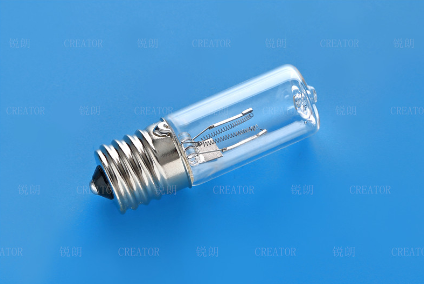
Getting the Most Out of Gallium Iodide Lamps
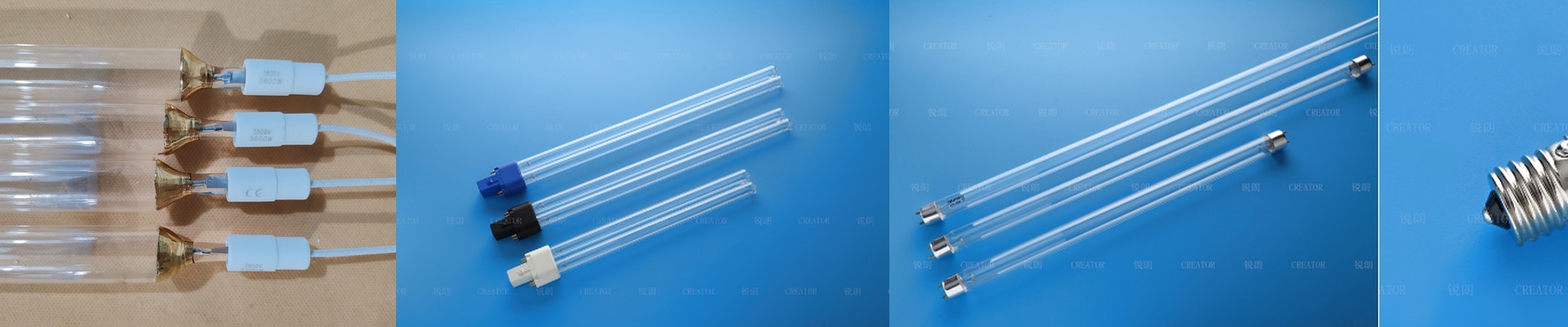
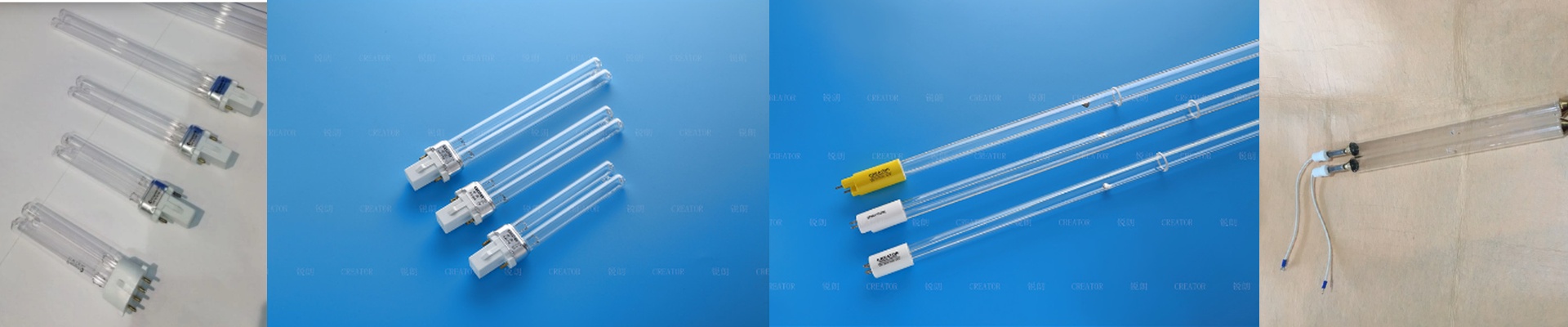
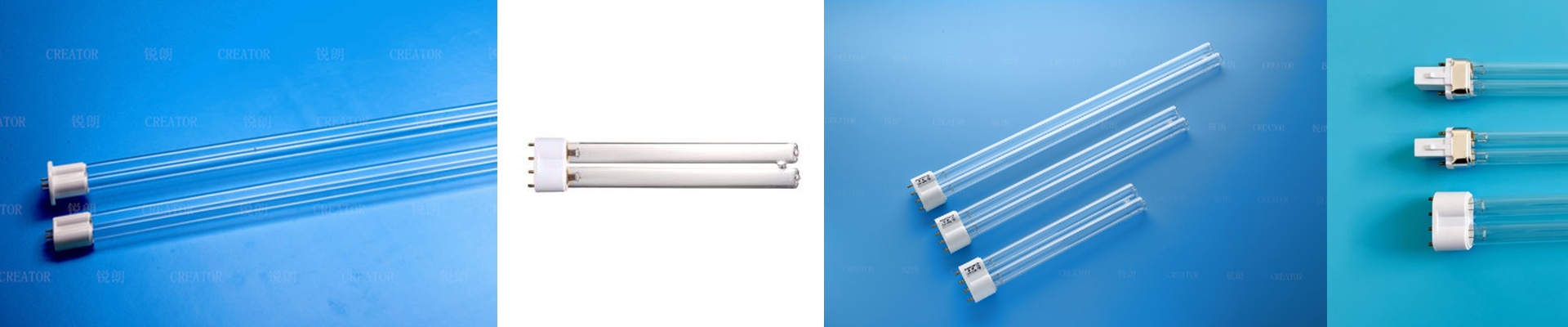
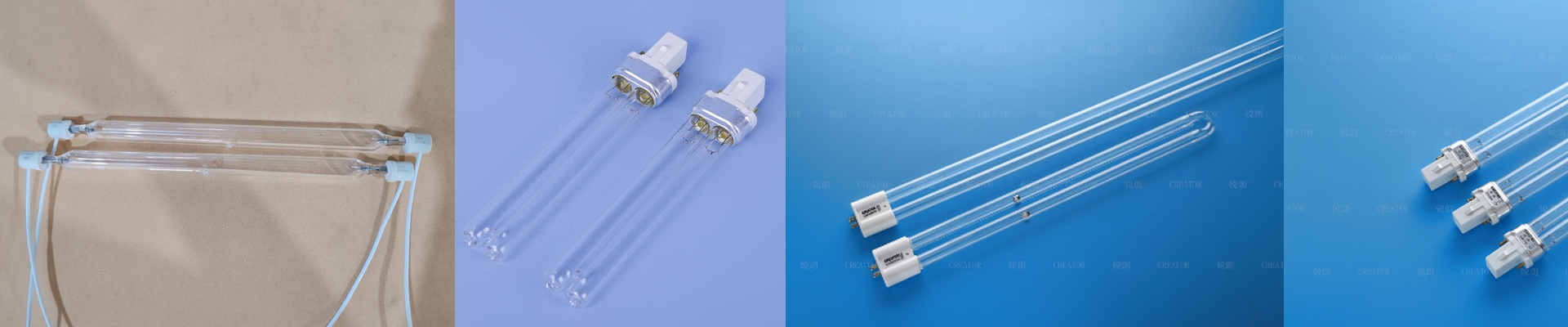
Most people look at UV lamps and just see a tool for curing. But if you’re running a modern shop, you know light is more like a precision instrument. That’s where Gallium Iodide (GaI) lamps come in. Instead of the usual spread, these lamps push the light toward shorter UV-C and UV-B wavelengths. It’s a subtle shift, but it matters. It lets you hit those stubborn chemical bonds in resins and photoresists that standard mercury lamps just glide right over. The secret is in the “doping.” Standard lamps rely on mercury vapor. We mix in gallium iodide to change how the light behaves, creating a sharp peak between 200nm and 300nm. What does that actually mean for you? Higher photon energy. You get faster polymerization and the light actually digs deep into thick-film coatings. If you’re tired of “surface-only” curing where the bottom layer stays tacky, this is the fix. A word of caution on the heat. Here’s the thing: high-intensity GaI lamps get hot. Really hot. To stop the tubes from bowing or cracking under that stress, we use high-purity synthetic quartz. But you can’t just “set it and forget it.” You have to keep an eye on your cooling manifolds. If your airflow dips, the quartz temperature spikes. That can mess with your spectral output or just kill the lamp’s lifespan. It’s a bit of a trade-off. You get massive intensity, but your cooling system has to be up to the task. Putting them to work. We designed these to be drop-in replacements for your current UV arrays, but don’t just plug them in and walk away. Your power supplies need a little tuning. Gallium lamps usually need a specific strike voltage to get the arc stable. Once you’ve got the wiring sorted, they plug right into your PLC-controlled lines. It locks in the dosage across the whole substrate. No more guessing. No more manual spot-checks to see if it “feels” dry. The hardware handles the hard part, so you can actually trust the cycle.