
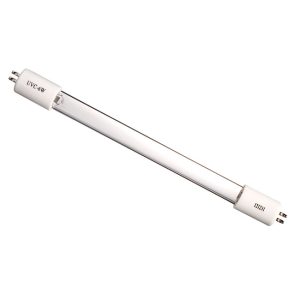
Getting the Most Out of High-Pressure Mercury UV Lamps
Let’s be honest: these lamps aren’t just “light bulbs.” They’re more like chemical reactors trapped in a glass tube. Lately, our R&D team has stopped obsessing over raw wattage. Instead, we’re focusing on spectral narrowing. The goal is simple: we want the photons to hit that exact energy sweet spot needed to break molecules apart or lock polymers together. If the wavelength is off, the whole process fails.
The Battle Between Pressure and Heat
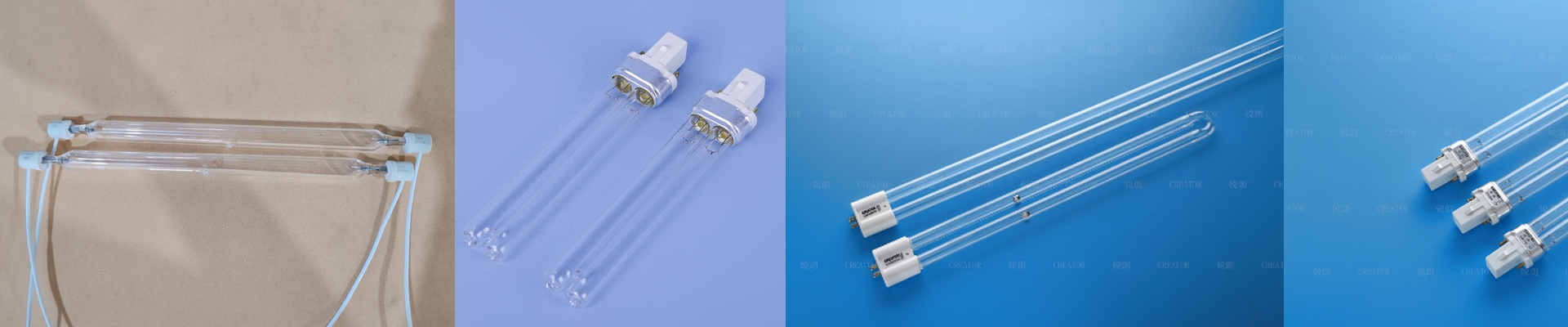
To get the spectrum we need, we push mercury vapor to high pressures. But there’s a catch. The arc temperature goes through the roof. To keep things from exploding, we use high-purity fused quartz. If you use cheap glass that can’t handle thermal shock, the tube will crack the second you flip the switch. It’s a violent amount of energy. You get incredible intensity, but you have to keep it cool. If your airflow is lazy, the lamp runs too hot, the spectral peak shifts, and suddenly your curing times start slipping. It’s frustrating, and it’s usually a cooling issue.
Cutting the Waste
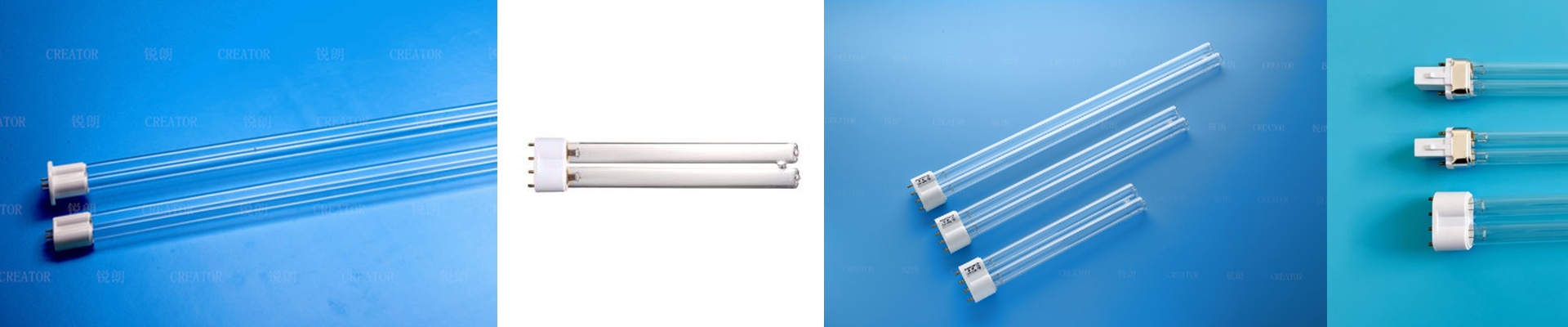
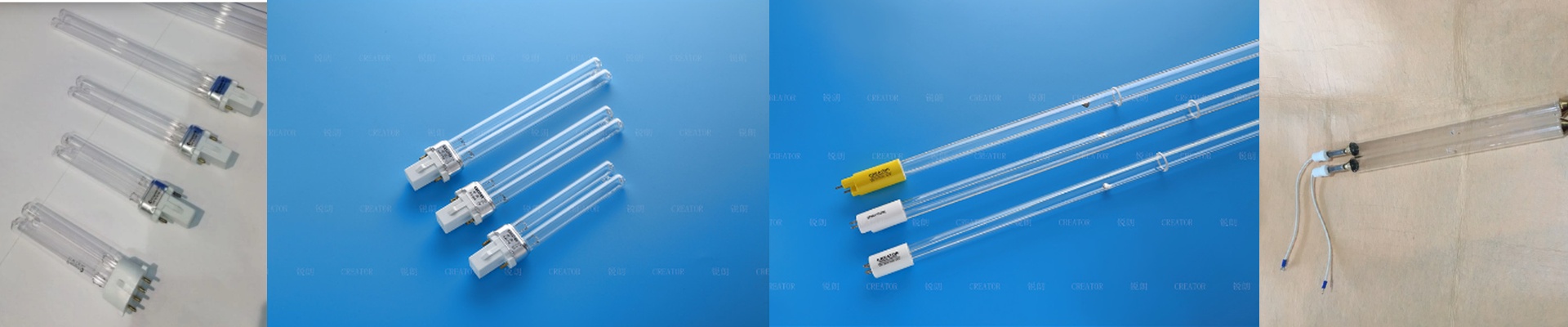
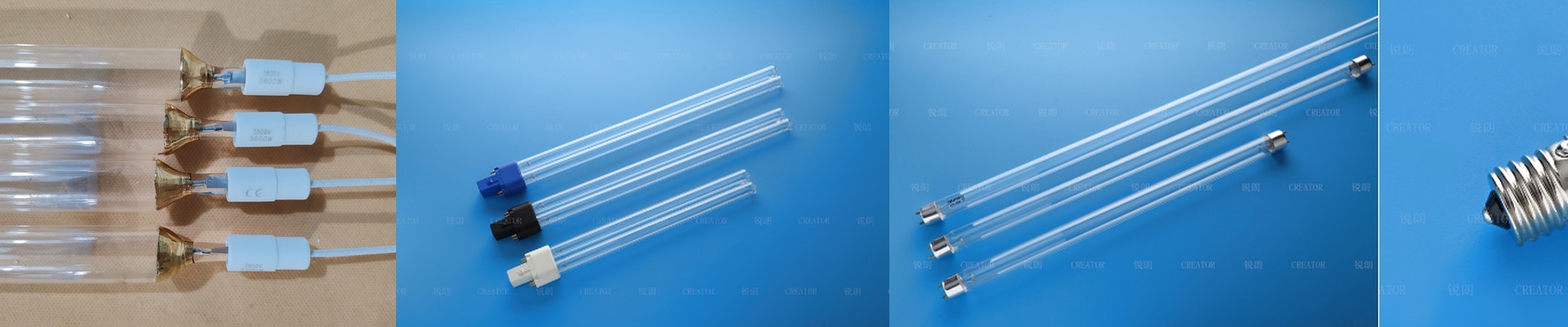
Nobody wants waste heat. That’s where infrared (IR) radiation comes in—it’s basically just heat that doesn’t help you cure anything. We use doped quartz and internal coatings to strip that IR out. This means more energy goes into the UV band and less goes into melting your substrate. We also made sure the footprints are standard. You can just drop these into your existing industrial rigs without a headache. And we ditched the flimsy connectors. We use heavy-duty terminals now, because the last thing you need is a high-voltage arc in the middle of a shift.
Making It Work in the Real World
Here’s the thing: you need the right ballast. If your voltage is mismatched, you’ll burn through your electrodes in a few weeks. We built these for tight spaces where you need a massive amount of UV flux in a tiny area. It’s powerful stuff. Just a heads-up: that intensity comes with a price. The hotter and stronger the light, the faster your conveyor belts and seals will degrade. Don’t forget to shield your gear, or you’ll be replacing belts way more often than you’d like.