
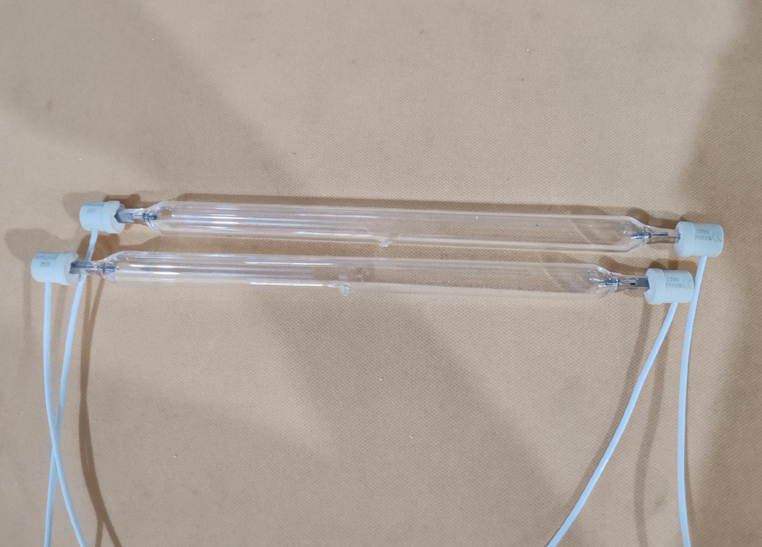
On the floor, microbial contamination can shut you down just as fast as a broken bearing. When you need to disinfect surfaces, tools, and packaging without throttling throughput, you need a UVC source that delivers repeatable dose—plain and simple. Marketing promises don’t cure microbes. What matters, technically Cold cathode UVC lamps put out germicidal energy right at the 254 nm mercury line, where DNA and RNA absorption peaks. In the real world, microbial inactivation comes down to irradiance (mW/cm²) and dwell time, which together give you dose in mJ/cm². Our cold cathode approach keeps electrode temperature lower, which helps stabilize spectral output and supports instant on/off. That’s a practical advantage when your duty cycle is intermittent and you can’t afford warm-up drift. The lamps are engineered to be ozone-free when installed correctly, and we match the quartz sleeve and reflector geometry to hold target irradiance at the working distance—not just peak intensity at the lamp. Why it holds up on the line We stand behind our custom UV lamps with a straightforward commitment: if the curing and germicidal performance doesn’t measure up to comparably priced major brands, we make it right with full compensation. On hygiene-critical printing and packaging lines, that means you can keep running at full speed with confidence—reducing microbial load on substrates, rollers, and contact surfaces without solvents or heat. The cold cathode design also fits into tight housings, so you don’t have to trade dose uniformity across the treated zone for space. What you need to watch for Installation is half the job. Verify system voltage and connector interface, then set working distance and dwell time so you actually hit the required dose for your target organisms. Keep the quartz sleeve clean. Oil films and dust scatter UVC and throw irradiance off. And match the lamp to the housing—reflector reflectivity and alignment determine delivered dose more than whatever’s printed on the lamp label. Expect output to drop with hours. Plan replacements based on your measured dose threshold, not a calendar date.