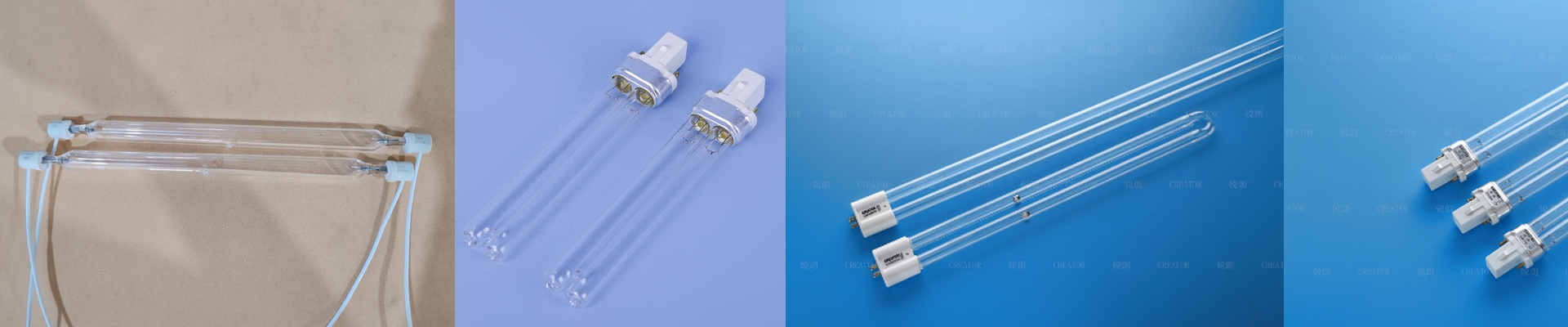
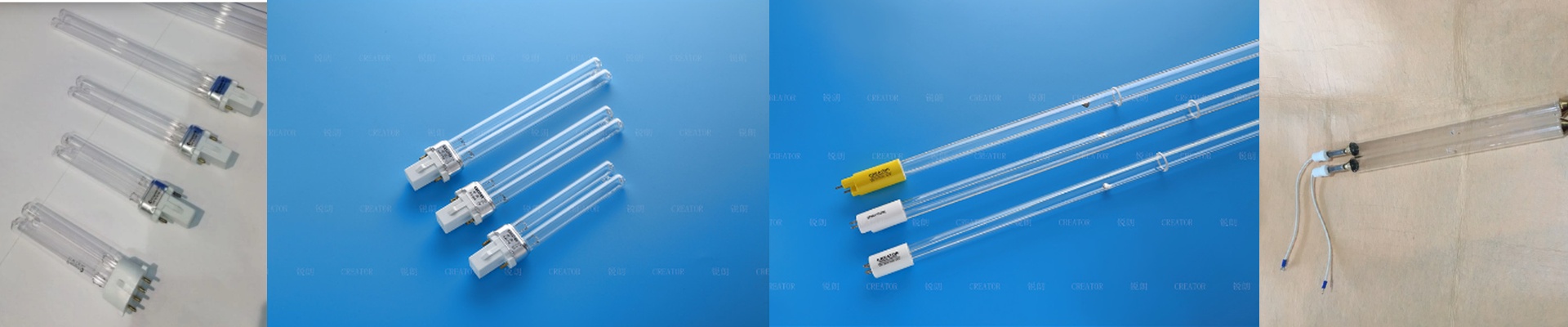

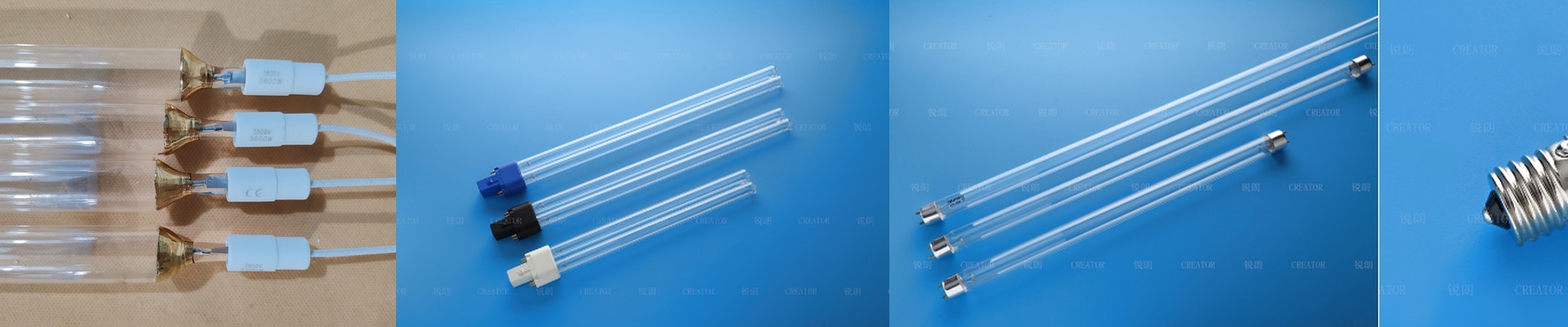
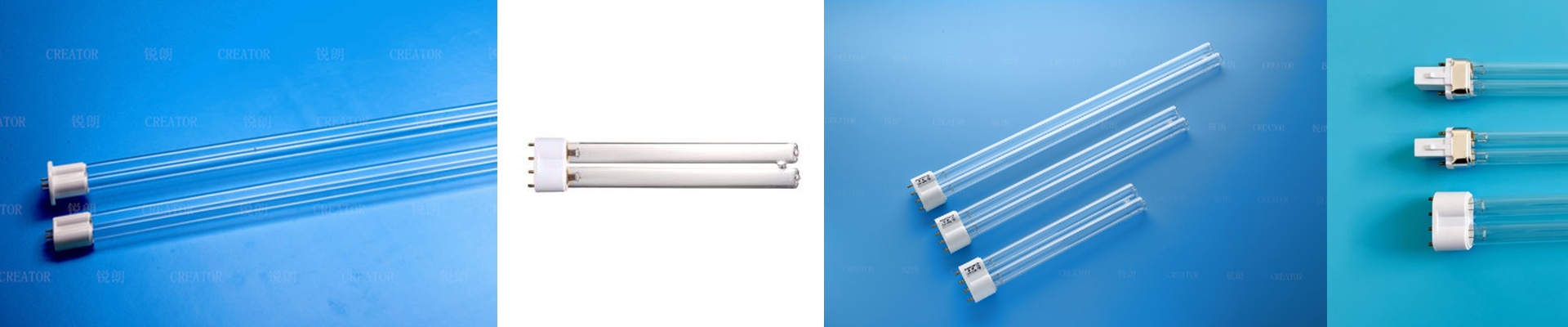
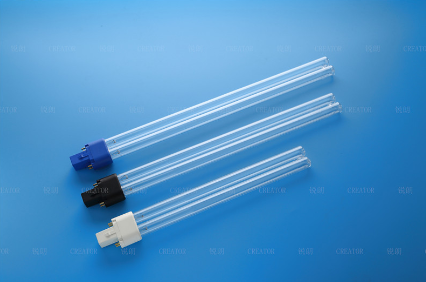
Out on the press, thick-build ink layers can look good right off the blanket—until the top skins over while the bottom stays soft. That latent tack is what gives you blocking, edge distortion, and the inevitable rework. It’s physics, plain and simple. With conventional UV, most of the energy gets absorbed near the surface, so the base never gets enough photoinitiator activation. Gallium halide lamps shift the balance by pushing more output into the longer wavelengths—385nm and 405nm—where absorption is lower and penetration is higher. The whole play is about spectral control. Gallium halide chemistry lets you tune the emission to deliver higher irradiance in the 385–405nm band, while still holding onto the short-wave energy you need for surface cure. That pushes photon flux deeper into the ink column, so you can get through-cure even on heavy deposits. In practice, you end up with more peak irradiance at the substrate plane and curing energy density that stays consistent through the build—not just in the first few microns. And that translates straight to throughput and yield. On thick-build screen and flexo work, full cross-linking from bottom to top cuts down on inter-layer adhesion headaches and post-cure blocking. You can run faster without fighting surface skinning, and you trim scrap from incomplete cure. Gallium halide lamps also run cooler than standard high-pressure mercury systems, which helps keep the curing window stable—especially on heat-sensitive substrates. If you’re spec’ing these, match the lamp spectrum to the ink’s photoinitiator package: 365nm for surface response, 385–405nm for depth. Make sure the reflector geometry and the dichroic coating on the housing are right for your setup, so you don’t bleed irradiance. Expect output to decay over lamp life, so plan replacement intervals to keep energy density inside the ink window. And don’t overlook ozone management and cooling airflow—skimp on airflow and you’ll shorten lamp life and drift the spectral profile.