
Getting UV Sterilization Right for Textile Printing
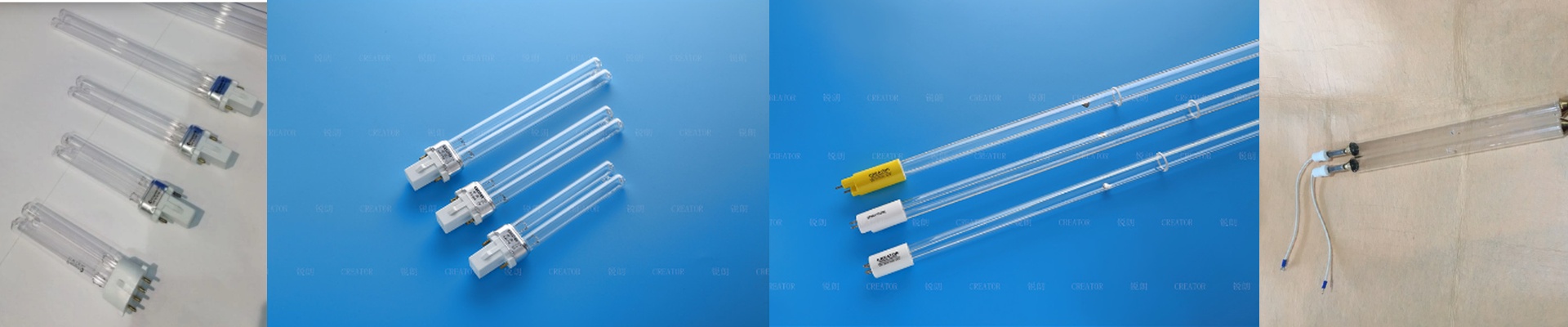
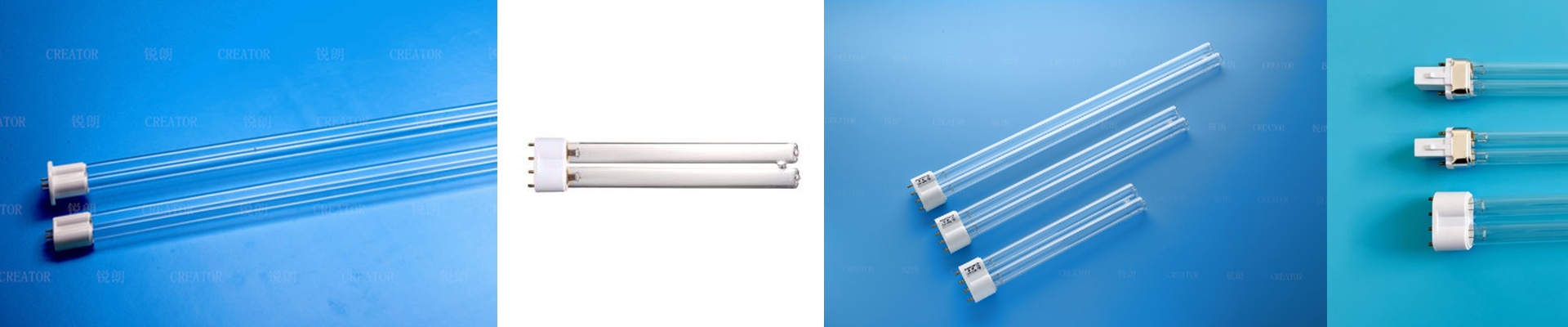
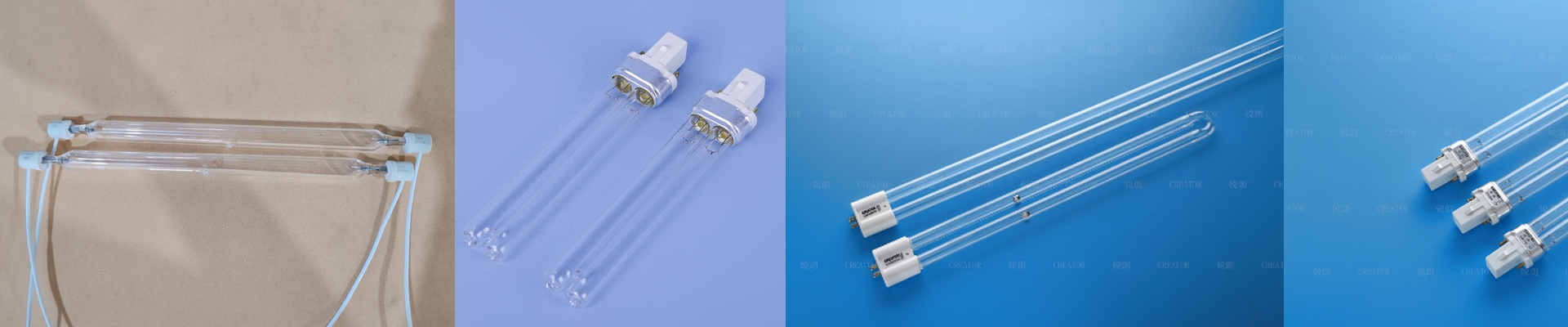
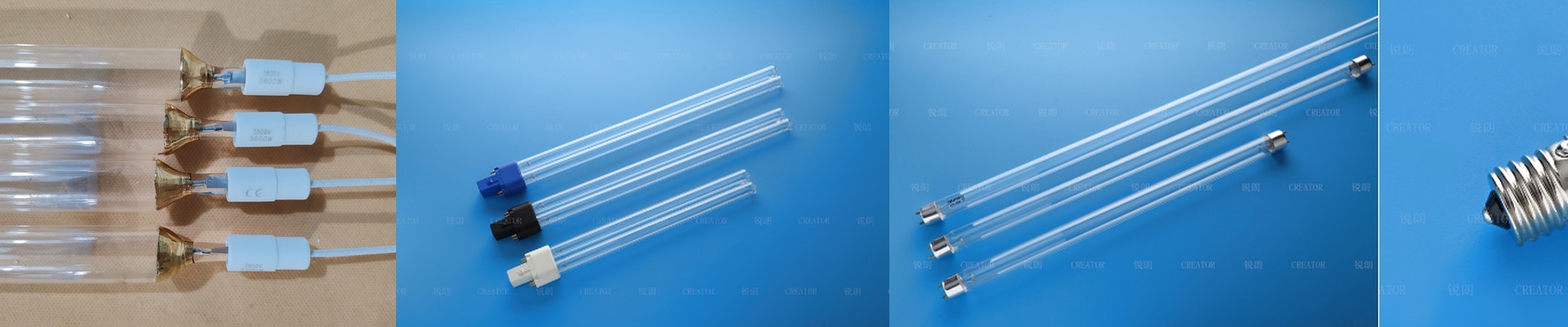
When you’re working with printed fabrics, UV sterilization isn’t just about killing germs. You’re often curing inks or making sure dyes actually stay put. It’s a tricky balance. You need enough UV-C power to get the job done, but if you aren’t careful with the heat, you’ll end up scorching your fabric. Nobody wants a ruined roll of silk because the lamps were too hot. The Power Struggle Here’s the thing about power density: it’s easy to think “more wattage equals faster production.” But that’s a trap. If you push the lamps too hard, you’ll overheat the material. We spend a lot of time tuning the power curve. We want the maximum amount of light (photons) with the least amount of wasted heat. We also keep a close eye on voltage and amperage. Why? Because if your power flickers or drops even a little, you get uneven sterilization across the width of the fabric. And a burnt-out lamp is just an expensive paperweight. The Gear That Actually Works We use high-purity synthetic quartz for the lamp envelopes. It sounds fancy, but it basically just means the 254nm wavelength can pass right through without the glass soaking up the energy. Depending on your setup, we might add special coatings to shift the spectrum or keep ink splatters from ruining the lamp. We also don’t mess around with the connectors. We use industrial-grade seals because a loose connection leads to heat buildup and electrical arcs. If that happens, your lamp will be dead in a week. Real-World Setup You can’t just toss these lamps into a frame and call it a day. The distance between the lamp and the fabric is everything. Too close? You’ll burn the print. Too far? The UV dose drops off, and you’re left with fabric that isn’t actually sterilized. Plus, you’ve got to deal with the heat. Even with energy-efficient lamps, the heat at the arc is intense. We always suggest an active cooling system for the reflectors. If your fans aren’t beefy enough to handle the room’s temperature rise, that quartz glass will crack under the stress. It’s a loud, expensive mess you just want to avoid.