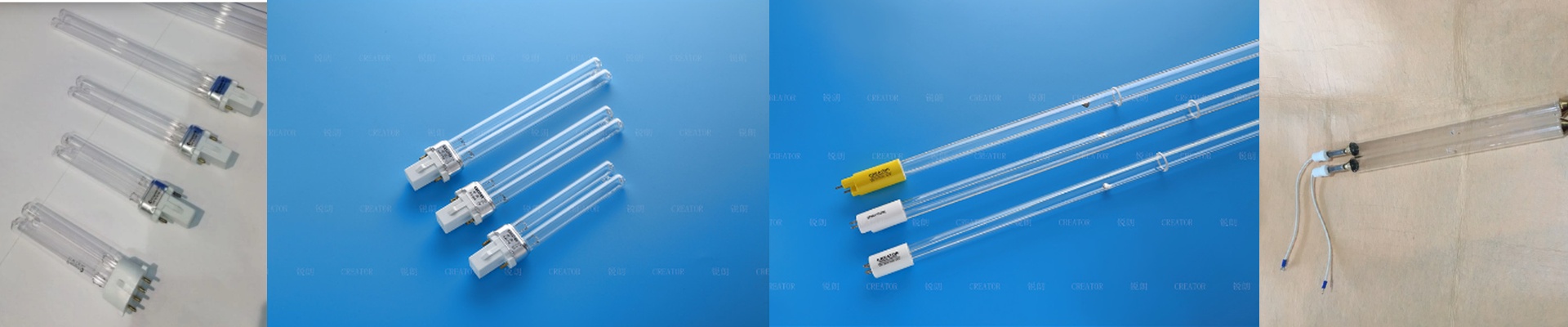
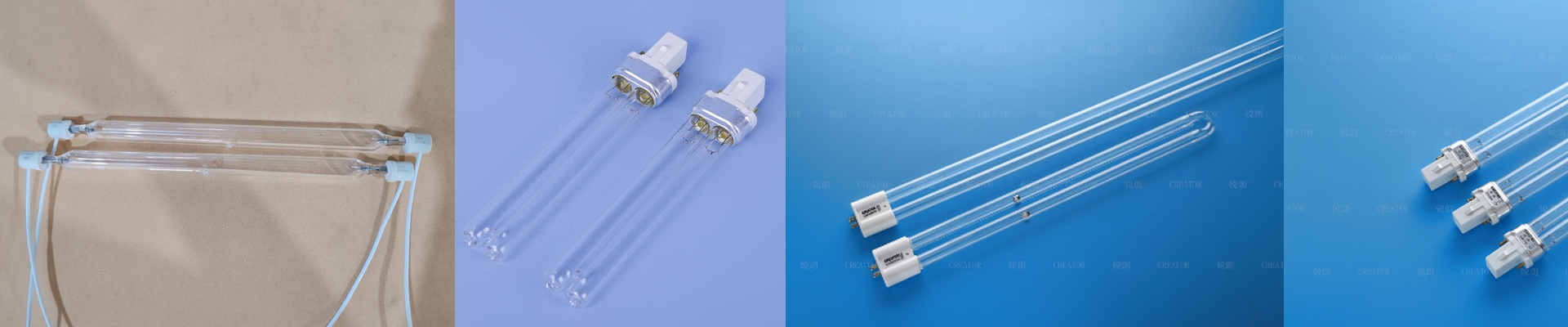
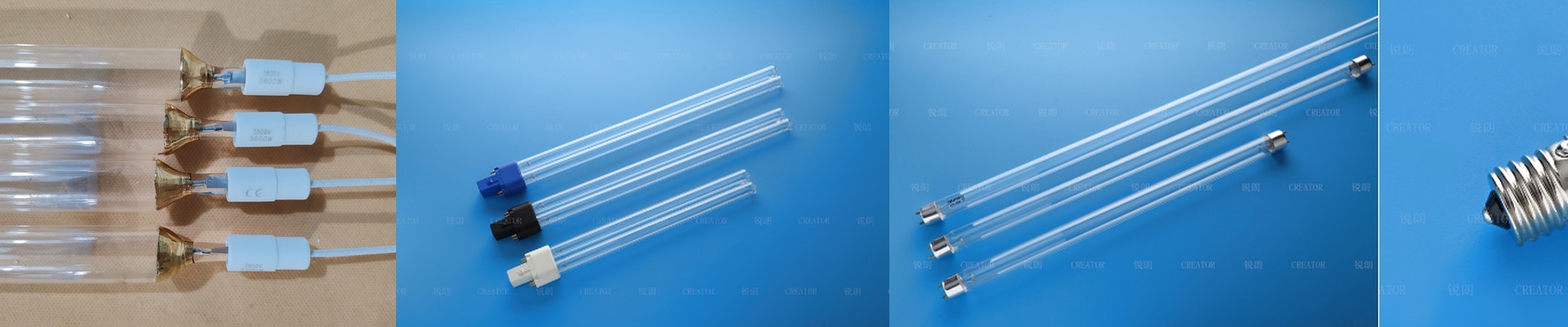

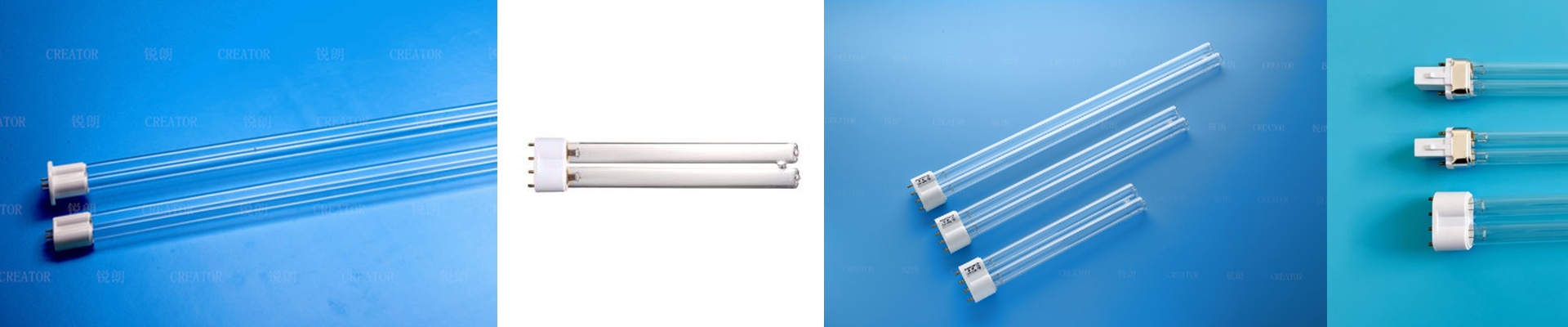
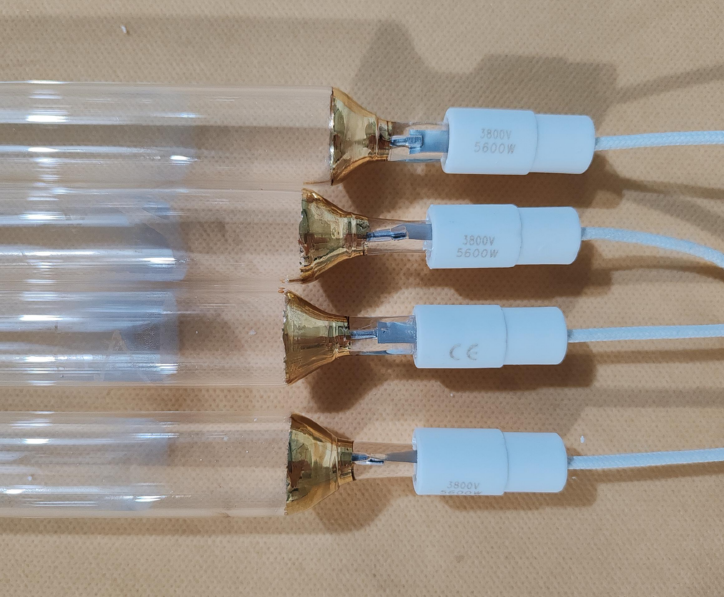
In air recirculation setups, the danger is the kind you can’t see. Pathogens hang on in the filters, then ride the airstream right back in, slipping past the usual barriers. Without a terminal kill step, you’re just moving contamination around. We build around UVC germicidal lamps as the disinfection backbone because they give you a defined, repeatable dose right at the airflow boundary. Not a vague promise—actual engineering. What matters on the floor is delivered dose, not the label on the lamp. We target 254nm monochromatic output, aligned to the DNA/RNA absorption peak. That makes the photon use efficient and the microbial inactivation predictable. Peak irradiance gets matched to chamber geometry and airflow velocity so the delivered fluence—measured in mJ/cm²—hits the required log reduction for the microbes you care about. The quartz sleeves and reflector geometry are specified to keep the field contained, hold temperature stable, and keep ozone generation negligible. Here’s the practical payoff: it’s continuous, in-line, and it doesn’t need heat, chemicals, or downtime. In an air purifier, the UVC module sits at the point of exposure and breaks the recirculation chain. You get consistent disinfection cycle after cycle, stable output over thousands of hours, and operating cost per cubic meter of treated air that stacks up better than disposable filters and chemical additives. Installation and compatibility still need to be treated like real engineering, not an afterthought. UVC intensity drops off with distance and as the lamp ages, so lamp positioning and end-of-life sensing have to be designed in from the start. The module has to fit the chamber material and airflow path, and the electrical interface needs to match your control strategy. Plan for reflector cleanliness, lamp temperature, and safe maintenance access. Do that, and the system performs as specified—shift after shift.