
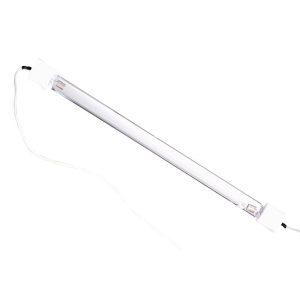
Getting the Energy Exactly Right: The 0.5% Challenge
In the world of industrial automation, UV curing is usually treated like a light switch—you flip it on and hope for the best. But the real secret isn’t just about the light; it’s about exactly where that energy lands on your parts. We spent a lot of time in R&D obsessing over something called spectral energy concentration. Specifically, we wanted to get the variance down to 0.5%. Why? Because most standard lamps are all over the place. They have these energy swings that leave you with “soft spots” on your production line. You know the feeling—you think a part is cured, but it’s still tacky in one corner. It’s a nightmare.
The nitty-gritty of the physics
To fix this, we had to get creative with the electrode geometry and the gas mix inside the quartz. Think of it like tightening a loose screw. By controlling the discharge arc, we stop the energy from drifting. This means the photons hit the photoinitiators in your resin exactly where they’re supposed to. If that energy density slips even a tiny bit, you’re risking under-cured edges. And in this business, “almost cured” is the same as “failed.”
The hardware trade-offs
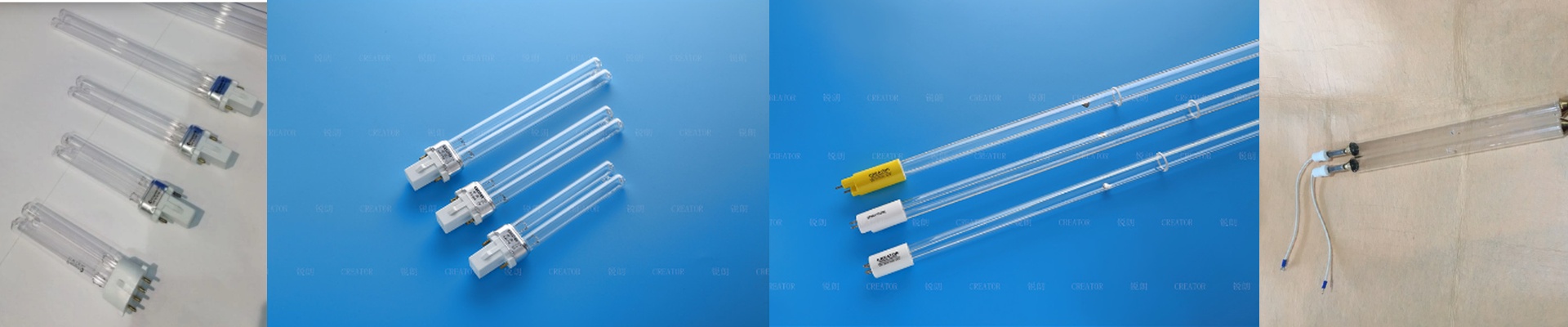
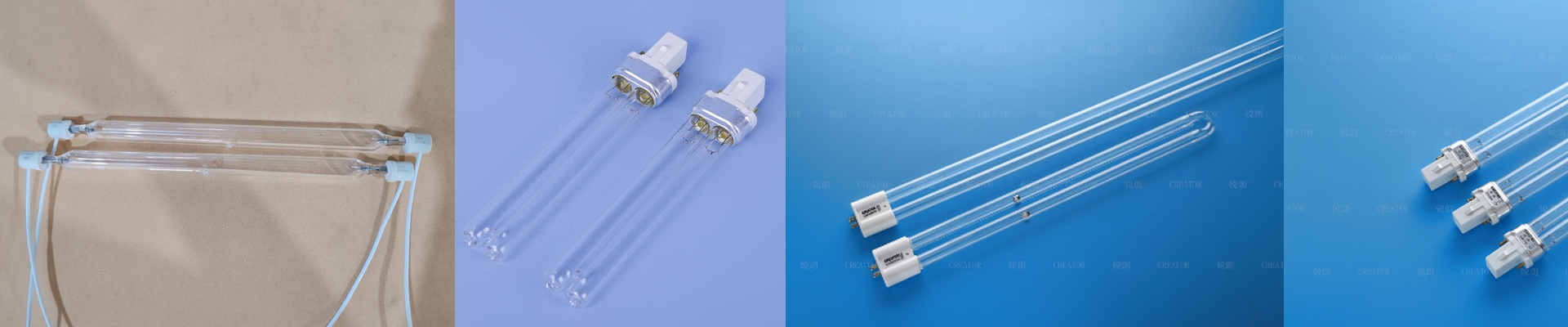
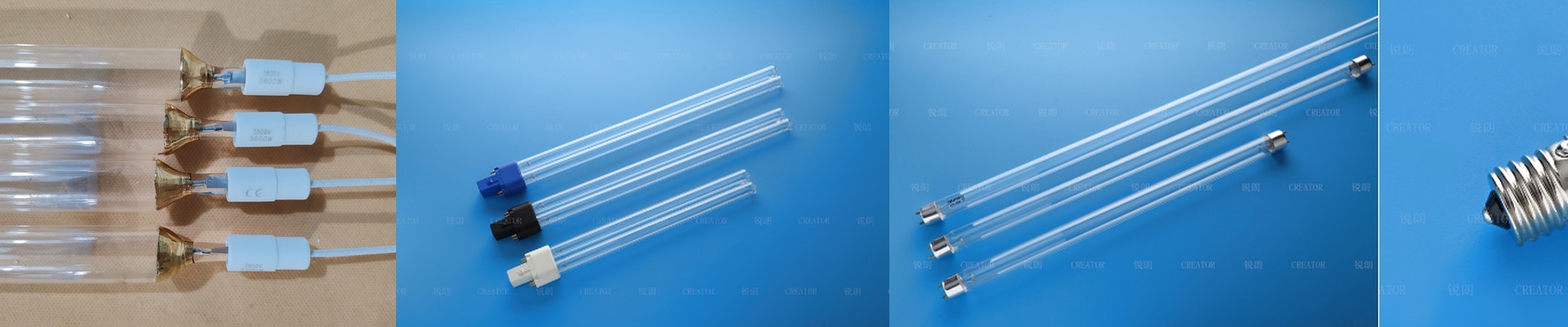
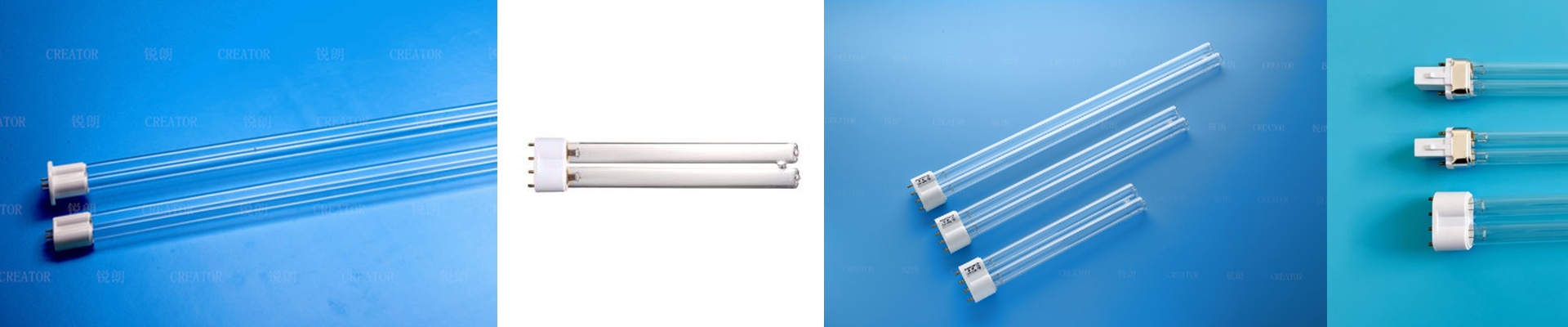
We made these lamps “drop-in,” so they fit right into your existing rigs without a massive headache. We also used high-grade quartz to stop solarization. That’s the annoying process where the glass clouds over after a few hundred hours and kills your efficiency. But here’s the catch:you have to watch your heat. When you concentrate energy this tightly, the lamp head gets hot. Really hot. If your cooling fans or water jackets aren’t up to the task, you’ll fry your electrodes way sooner than you should. Just make sure your cooling can keep up with the density.
Why this matters for high-speed lines
This is for the people who can’t afford to slow down the conveyor just because their lamps are inconsistent. If you’re doing thin-film coatings or precision adhesives for electronics, this is a lifesaver. You get a rock-solid cure across the entire width of the belt. No more manual “touch tests” to see if things are sticky. You just wire it up, dial in the intensity, and let the chemistry do its thing. It just works.