
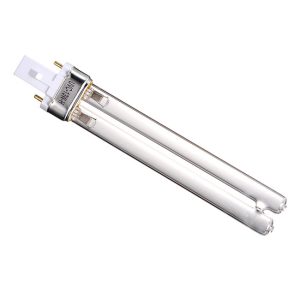
Stop Thinking of UV Curing as Just “Drying Ink”
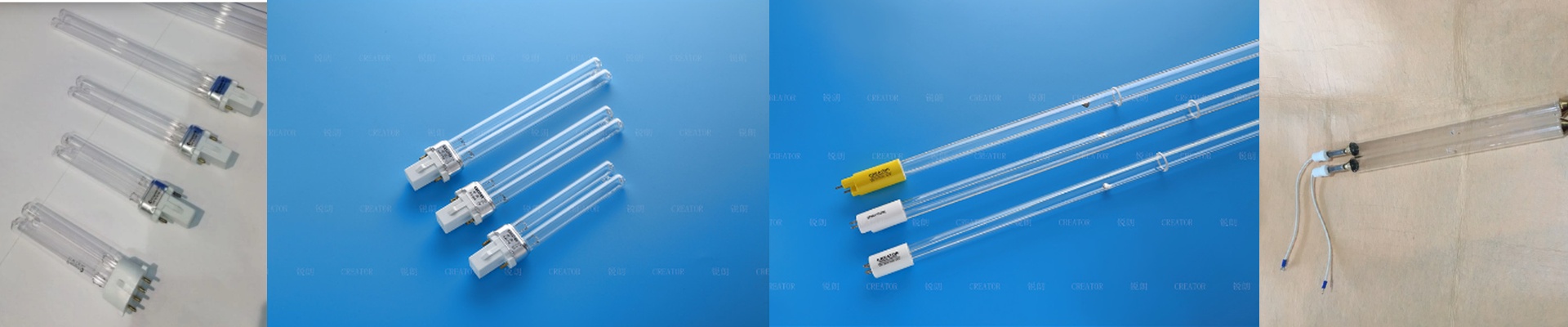
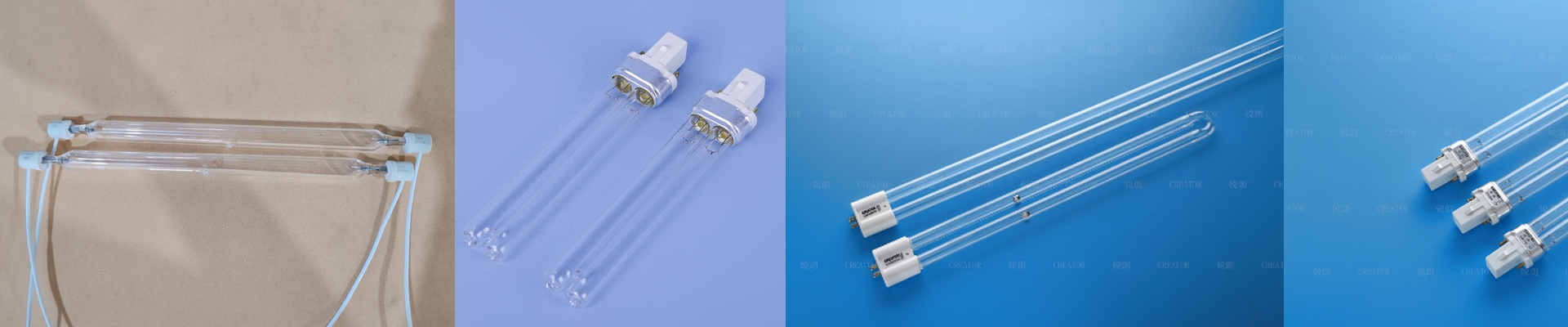
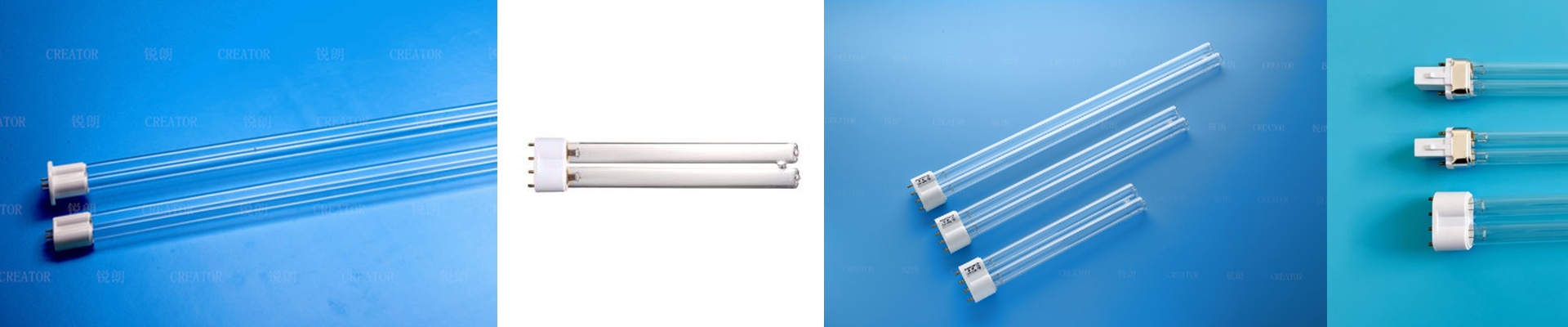
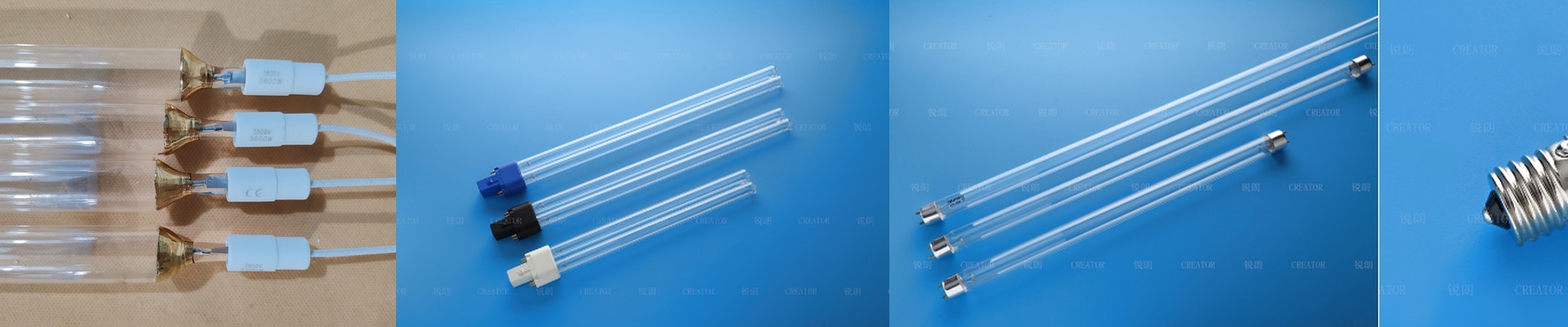
Let’s be honest: for a long time, UV curing was just a box you put your product under to make sure the ink didn’t smudge. But if you’re trying to run a modern shop, you need more than that. You need control. That’s why we stopped building those rigid, fixed-length lamp arrays. They’re a pain to deal with. Instead, we went with a modular, block-based design. Think of it like LEGOs for your production line. You can tweak the light intensity across your conveyor on the fly without having to rip out your entire setup and start over.
The Nitty-Gritty on Power
The goal here is fast photopolymerization—basically, getting that cure to happen instantly. Because the system is modular, you just stack the lamps until you hit the exact power density (mW/cm²) you need. Need to speed up the line? Just snap in a few more modules. Running something delicate that might melt if it gets too hot? Space the lamps out. It’s that simple. We also ditched those old magnetic transformers. They flicker, and flicker means inconsistent curing. We use high-frequency electronic ballasts instead, so the energy dose stays rock steady. One heads-up, though: when you cram a lot of power into a small modular frame, things get hot.**Really hot.**Don’t skimp on your cooling fans or water-jackets. If the junction temperature climbs too high, your output will drop, and you’ll be wondering why your cure isn’t hitting.
Built for the Shop Floor
We made the interconnects standardized so these can slide right into your old legacy setups. No need for a total overhaul. We also used reinforced housing because UV leakage is a nightmare—nobody wants to deal with skin or eye burns on their watch. Plus, the lamps sit on modular rails. You can slide them back and forth to get the focal distance exactly where it needs to be.
Why This Actually Matters
This is for the people whose product mix changes every single week. Instead of spending a fortune on five different curing ovens, you buy one chassis and just swap the lamp config. We’ve seen this turn changeover times from a grueling few hours into a couple of minutes. It stops the curing stage from being the bottleneck that slows everyone down. Just wire it to your PLC, dial in your intensity, and get to work.