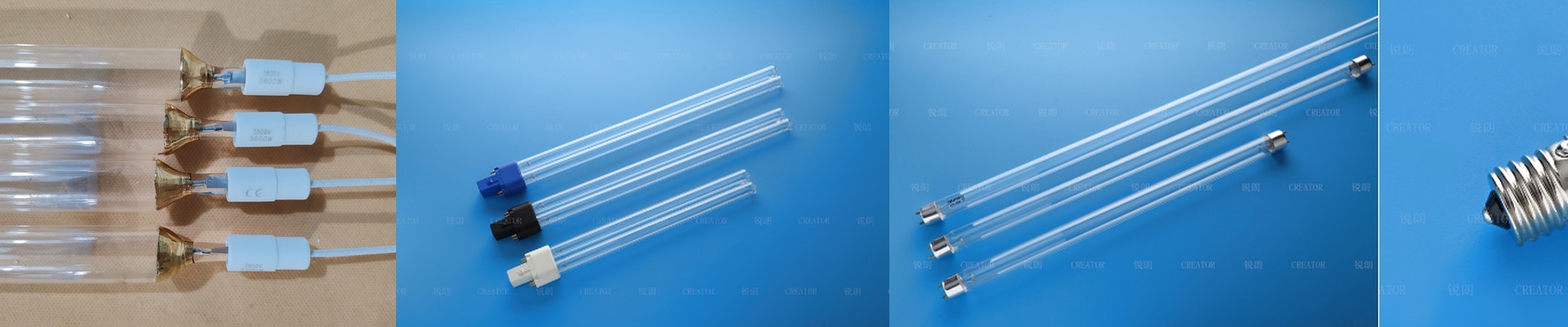
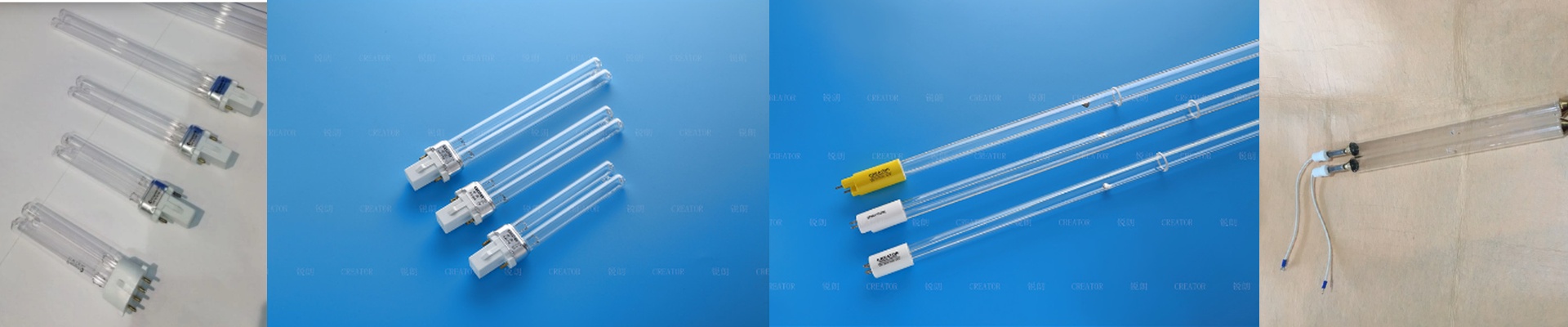

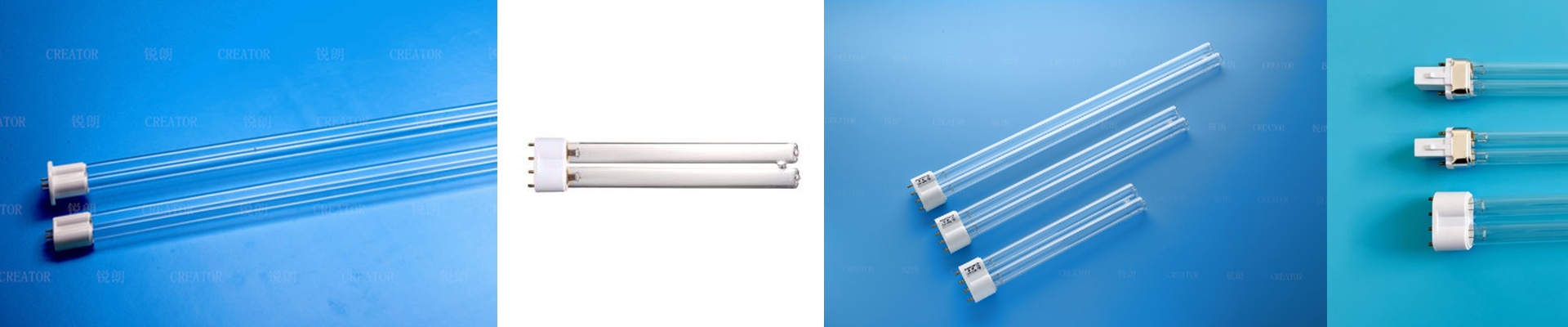
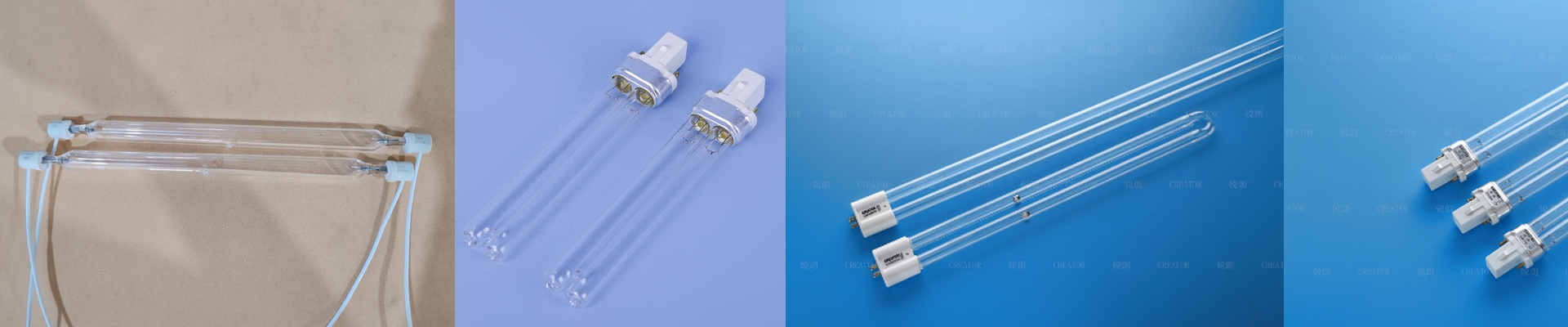
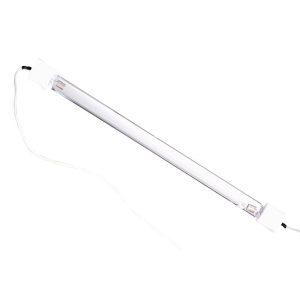
On metal and glass lines, adhesion doesn’t happen by luck. It happens when the lamp puts down enough energy density, period. You need high peak irradiance at the right wavelength to fully trigger the photoinitiators. Too many systems fall short because the reflector geometry is off, and output fades as the lamp ages. What actually matters under the hood We shape the reflector to wring maximum spectral output out of high-pressure mercury vapor lamps, pushing the 365nm and 385nm lines where photoinitiator absorption is strongest. Precision elliptical geometry and high-reflectivity dichroic coatings boost peak irradiance and keep the cure profile uniform across the substrate. The payoff is more mJ/cm² per pass, so cross-linking finishes completely—even on low-surface-energy materials. Why this matters for metal and glass Metal and glass are stubborn: low surface energy and high thermal mass make adhesion tricky. With the reflector dialed in, the lamp delivers the dose that penetrates the ink layer and reaches the interface, driving strong cross-linking and covalent bonding. You see fewer rejects from adhesion failure, cure windows tighten, and throughput stays steady. Efficiency picks up because more photons hit the substrate instead of getting swallowed by the lamp housing. What you need to get right on the floor Installation has to match the lamp arc length, reflector focal distance, and the printer’s curing station geometry. Reflector efficiency drops with dust, solvent film, and lamps near end-of-life—keep the quartz surfaces clean and swap lamps before output falls below spec. Make sure everything is compatible with ozone-free lamps and your existing power supplies, or you’ll fight mismatched spectral output and inconsistent curing.