
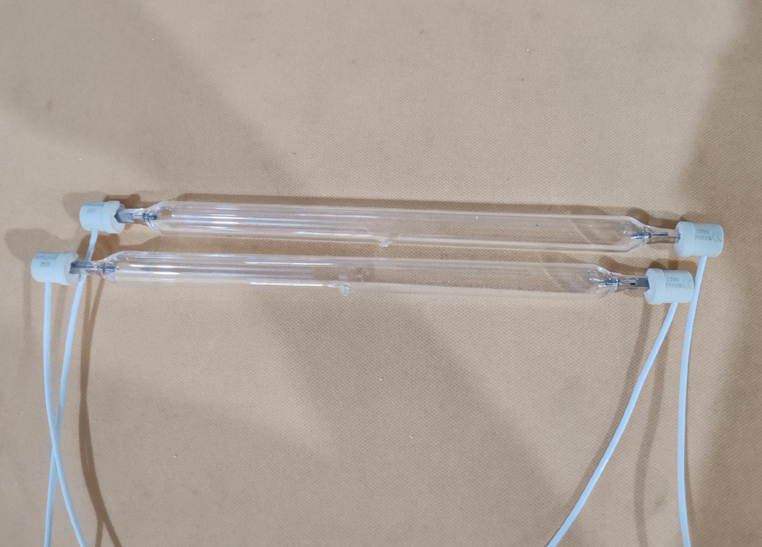
Let’s talk about CE certification for UV curing lamps
Look, I get it. When you’re looking at a spec sheet, CE certification can feel like just another bureaucratic hoop to jump through. A piece of paper. A logo. But when you’re running high-speed industrial lines, it’s actually the floor. It’s the baseline. When we build these lamps, we aren’t just chasing a badge for the sake of it—we’re making sure the gear doesn’t cause a headache for you down the road. The electrical side of things Here’s the thing: UV curing lamps deal with high voltages and a ton of electromagnetic noise. If the shielding and grounding aren’t spot on, things get messy. You might find your breakers tripping for no reason, or worse, your PLC starts glitching out and messes with your conveyor. That’s a nightmare. We obsess over the power supplies and wiring to keep leakage current low. Why? Because nobody wants to worry about an operator getting a shock just by touching the equipment. Dealing with the heat These lamps get hot. Like, really hot. If the housing isn’t built to handle that thermal load, the components just fry. By sticking to CE standards, we’re forced to prove that the cooling system actually works. We use specific alloys that won’t warp or bend when they go through those constant heat cycles. The result? Your lamp stays stable. You won’t see the output drift just because the machine hit its operating temperature. Avoiding the “Hard Stop” If you’re selling into high-end markets—think automotive plants in Germany or France—“good enough” doesn’t cut it. If a safety inspector walks onto the floor and sees a non-certified lamp, they’ll shut your entire line down. Right there. On the spot. It’s a hard stop. Using certified gear means you aren’t gambling with your insurance or sweating through a safety audit. Now, let’s be real: a CE sticker doesn’t make a lamp indestructible. You still have to clean your reflectors and swap out tubes before the power drops too low. But it does give you peace of mind knowing the hardware isn’t going to have a catastrophic meltdown in the middle of a shift.