
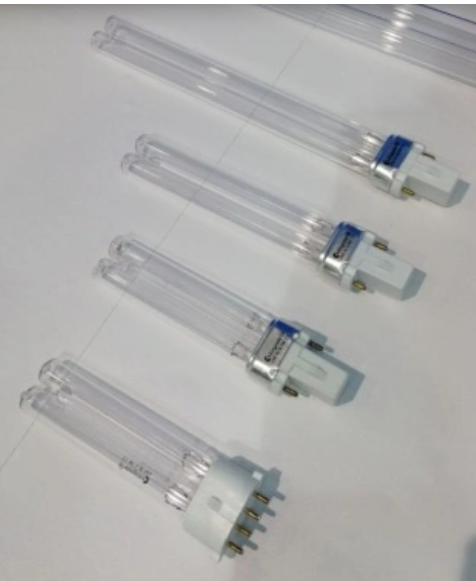
Making UV Curing Actually Work
At the 2026 Printing Expo, people kept crowding around our custom UV lamp modules. Why? Because they’re tired of the same old headache: trying to get a fast cure without melting their materials. If you’re running a high-throughput line, you know the struggle. Standard lamps just don’t cut it when you need serious power.
The secret is in the light
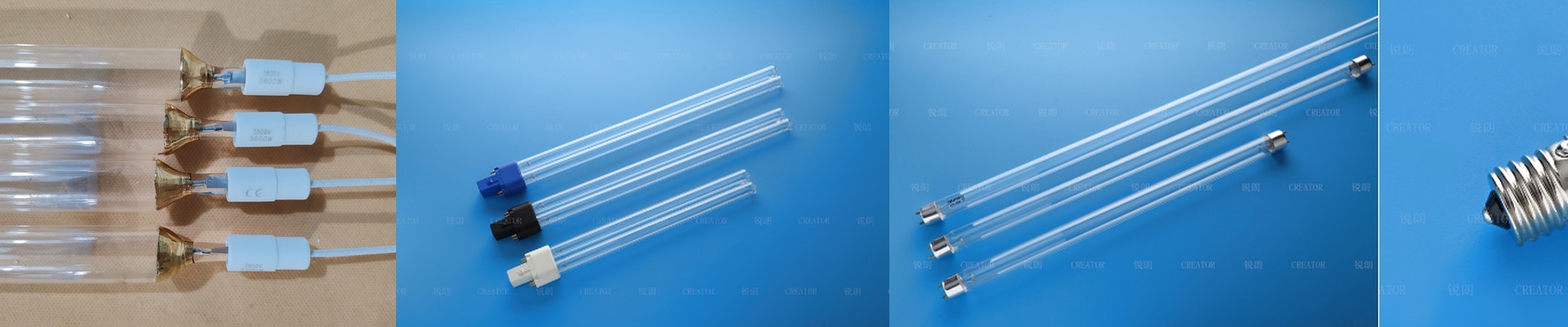
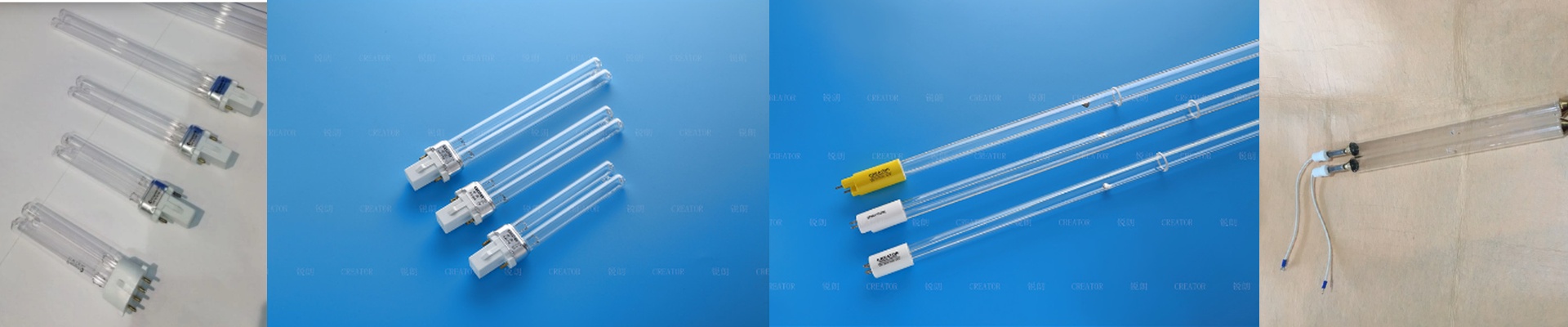
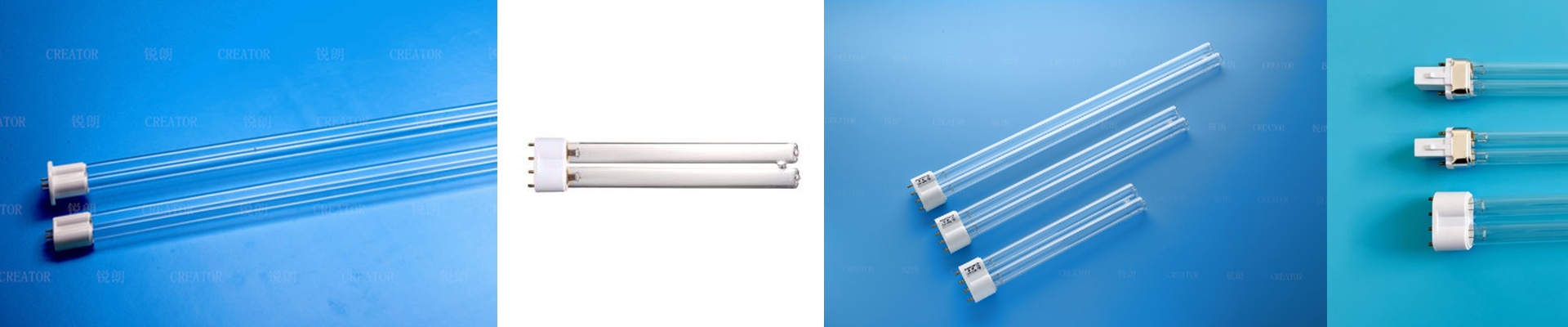
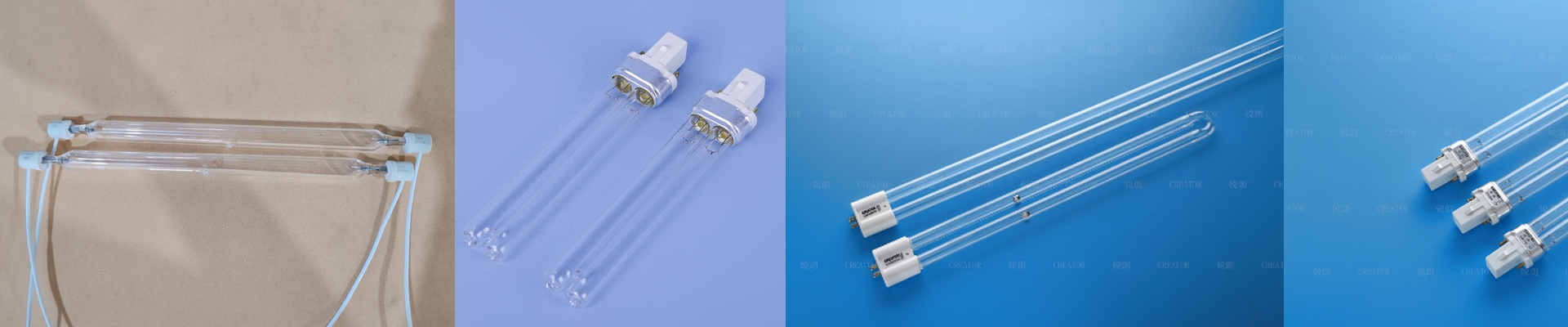
We use high-pressure mercury vapor to hit those specific 254nm and 365nm peaks. That’s the “magic” that makes UV inks actually harden. But we don’t just toss a bulb in a box and call it a day. We tweak the tube diameter and gas pressure, and we obsess over the reflector geometry. The goal is simple: make sure the UV dose hits your substrate evenly, every single time. No dead spots. No guessing.
Dealing with the heat
Here’s the thing about high-intensity UV: it getshot. Really hot. If your cooling isn’t up to the task, you’re going to warp your substrates or fry your lamps way too early. To stop that, we build in forced-air cooling or water-jacketed housings to pull that heat away from the quartz. It keeps everything stable. You get a consistent cure, provided your exhaust system can keep up with the thermal load.
Getting it on your line
We designed these to be drop-in replacements. We used standard connectors, so you can wire them up without having to tear apart your power supply. We also focused on the footprint. By packing more power into a smaller space, you can speed up your line without having to build a longer curing tunnel. And they last. We’ve seen these modules run for over 2,000 hours straight before the mercury starts to dip and the intensity fades. It’s just reliable gear that does the job.