
Let’s Talk About Mercury UV Bulbs
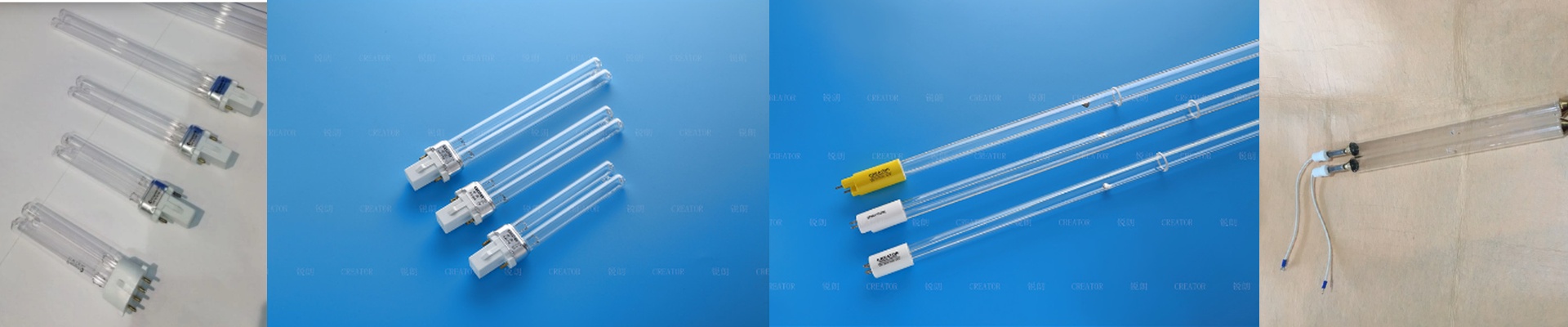
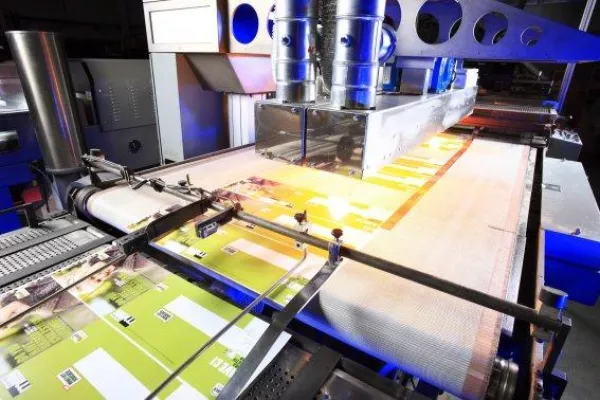
If you’re in printing or coating, you already know that mercury lamps are the real heavy lifters. They do one thing and they do it fast: they hit those photoinitiators in your inks and coatings, turning liquid resins into solid films in a heartbeat.
How they actually work
Here is the gist. An electric arc jumps through low-pressure mercury vapor, which kicks out a broad spectrum of UV light—mostly in the UVC and UVB ranges. When we’re picking a bulb for you, we look at the wattage and the arc length. Why? Because it has to match your conveyor speed. It’s a balancing act. If you push your line too fast for the lamp’s power, your ink stays tacky and rubs right off. But if you crawl along too slowly? You’ll end up scorching your material.
The hardware side of things
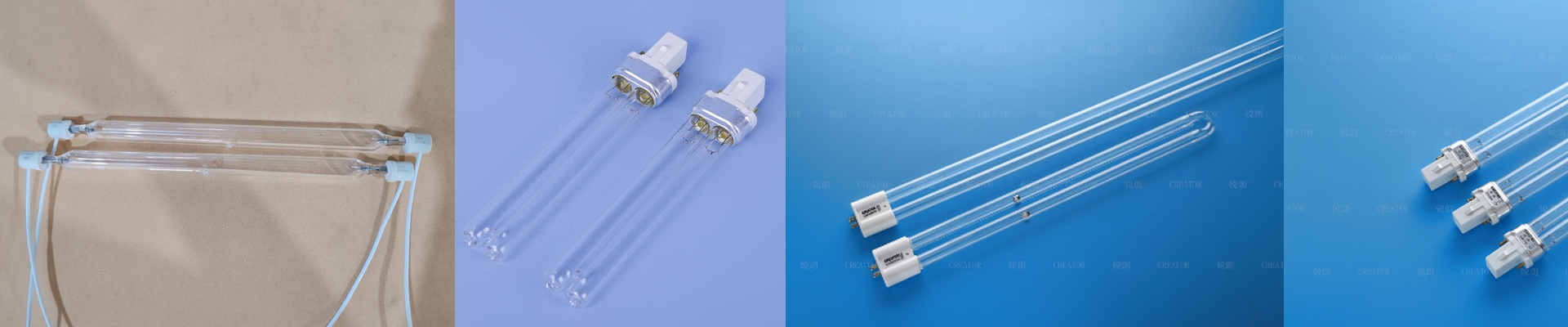
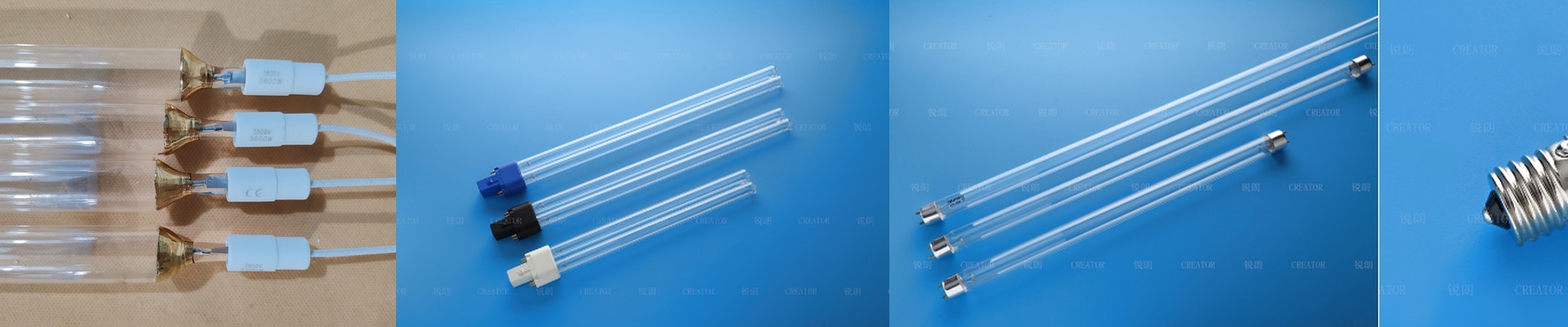
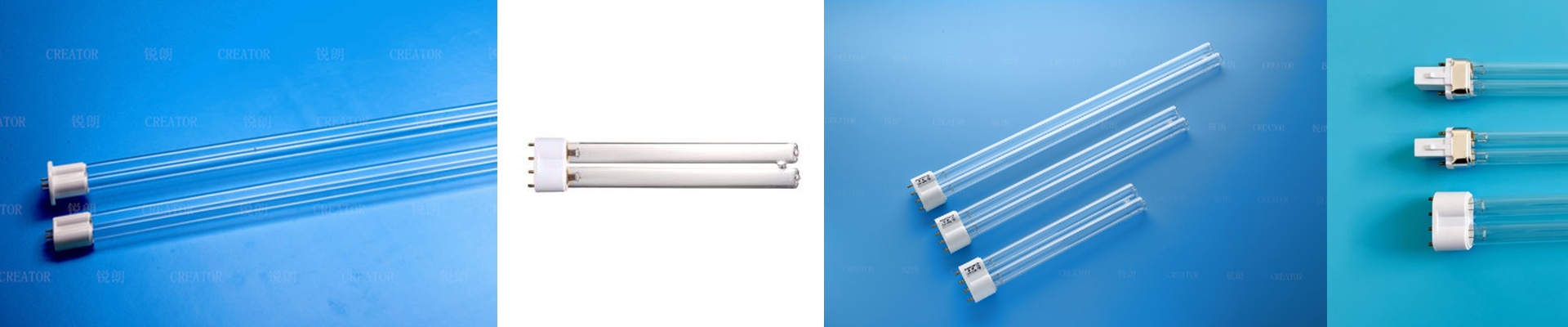
We use high-purity quartz glass because we need as much UV light as possible to get through. Depending on whether you’re trying to dry the surface or cure deep into the material, you’ll either go with an open-arc or a filtered bulb. We also make sure the connectors fit tight. Nobody wants to deal with arcing at the end caps. One heads-up: keep an eye on your ballast settings. These bulbs are picky about voltage. If your power supply is jumping around, you’re going to kill the lamp’s lifespan or just burn it out way too soon.
Dealing with the heat
Now, here is the trade-off. These bulbs put out a massive amount of infrared heat along with the UV. It’s a lot. If you’re working with PET or paper, you can’t just let that heat hit the material or it’ll warp. You need a solid cooling system—either forced air or water-cooled jackets—to soak up that thermal load. We don’t just toss a part in a box and ship it. We’ll sit down with you to figure out the right wattage and wavelength for the specific ink chemistry you’re using. And if the cure rate feels off, the first thing we do is check the distance between the bulb and your substrate. Moving the lamp just a tiny bit can completely change your results.