
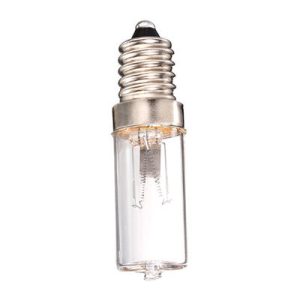
Let’s Talk About Mercury UV Curing
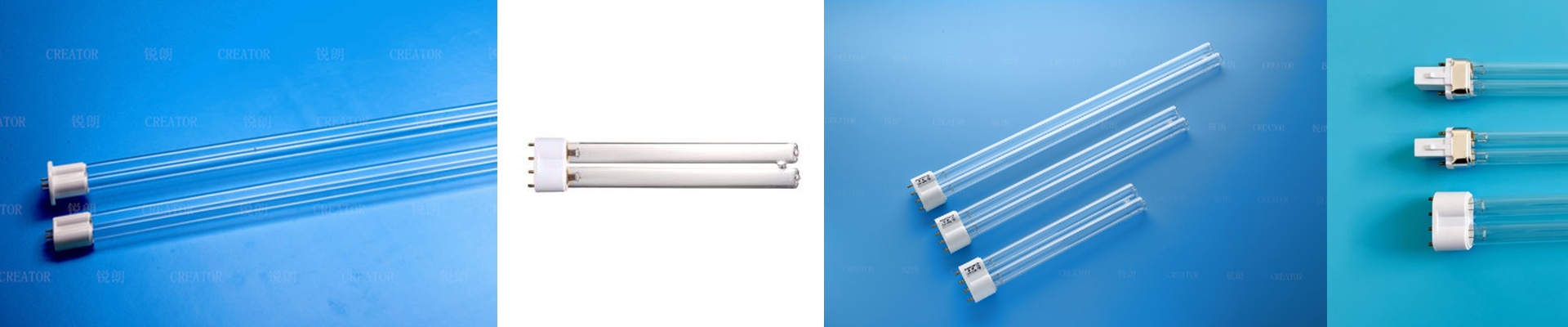
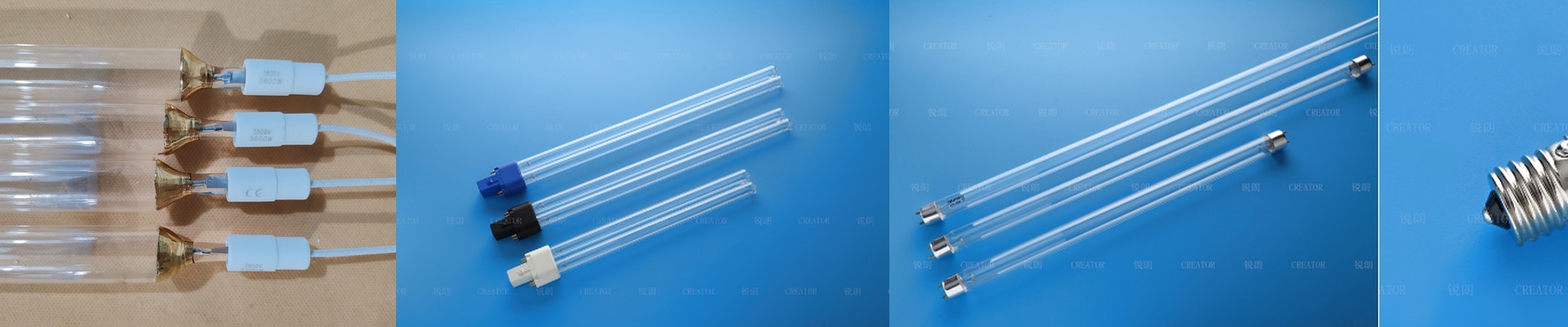
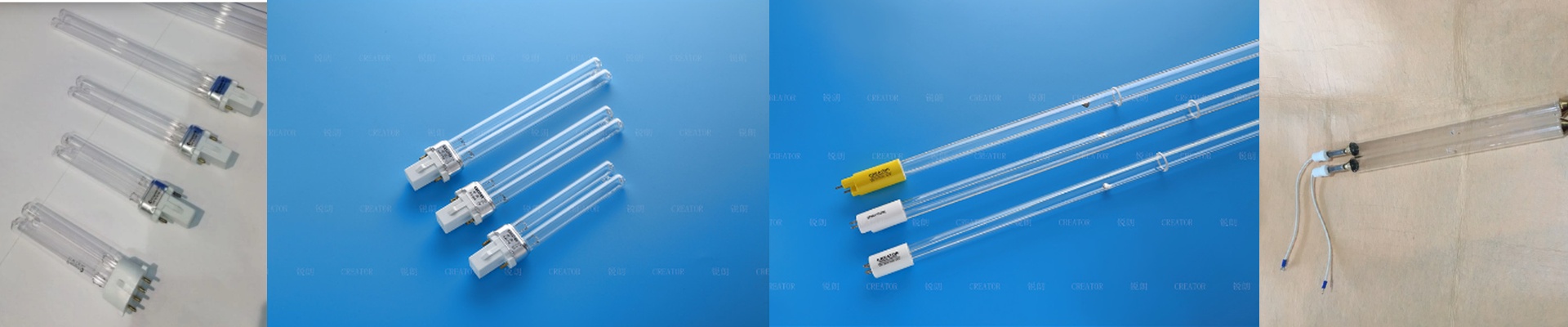
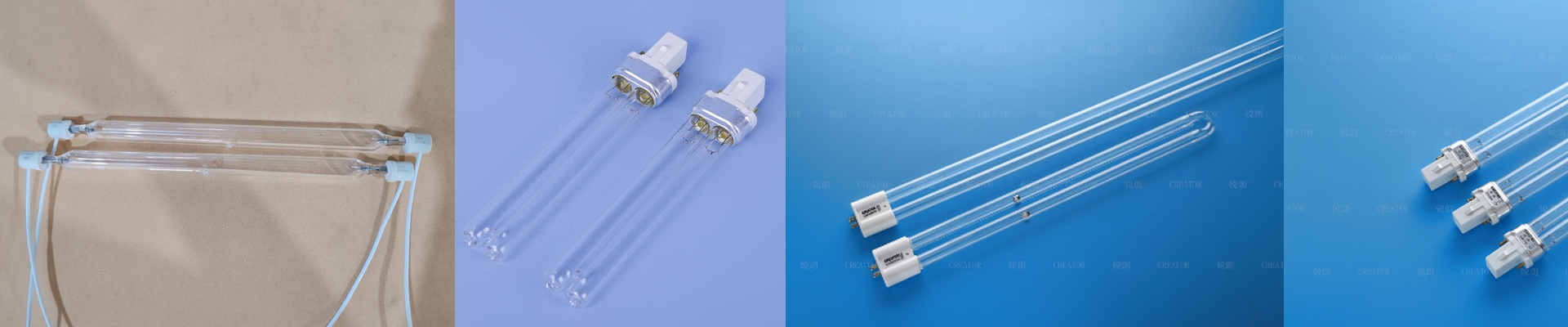
Ever wonder why some prints dry almost instantly while others take forever? It all comes down to a massive hit of ultraviolet energy. We make the mercury-vapor lamps that make this happen. Basically, they trigger a process called photopolymerization. In plain English: they turn liquid ink into a hard, solid film in a fraction of a second.
Getting the Power Right
Our lamps work by exciting mercury vapor to hit those sweet spots at 254nm and 365nm. Most UV resins love those specific wavelengths. But here’s the thing: you have to get the power just right. We build our tubes with really tight tolerances on wattage and voltage because your line speed depends on it. If you run them under-voltage? You’re going to deal with “wet” ink and smudges. Not great. But if you push them too hard, you’ll burn the lamp out way too soon. It’s a balancing act.
Heat is the Enemy
We use high-purity fused quartz for the lamp glass. It’s great because it lets the UV light slide right through without getting trapped. But there’s a catch. These lamps gethot. Really hot. Along with the UV light, you’re getting a lot of infrared heat. Whether you use air cooling or water jackets, make sure your system can actually handle the load. If that quartz tube overheats, the seals at the ends can pop. Once the vacuum is gone, the lamp is dead.
Swapping Them Out
We designed these to be simple drop-in replacements. The length and the electrode spots match your current reflectors exactly. That’s important because if a lamp is even slightly misaligned, you get “dark spots” on your prints. And nobody wants to scrap an entire run because of a few dull patches. One quick tip: check your ballast settings before you flip the switch. If the striking voltage doesn’t match your power supply, the lamp might flicker or just refuse to start. We provide the exact electrical footprints, so you can just swap the tubes and get back to work without having to tear apart your electrical cabinet.