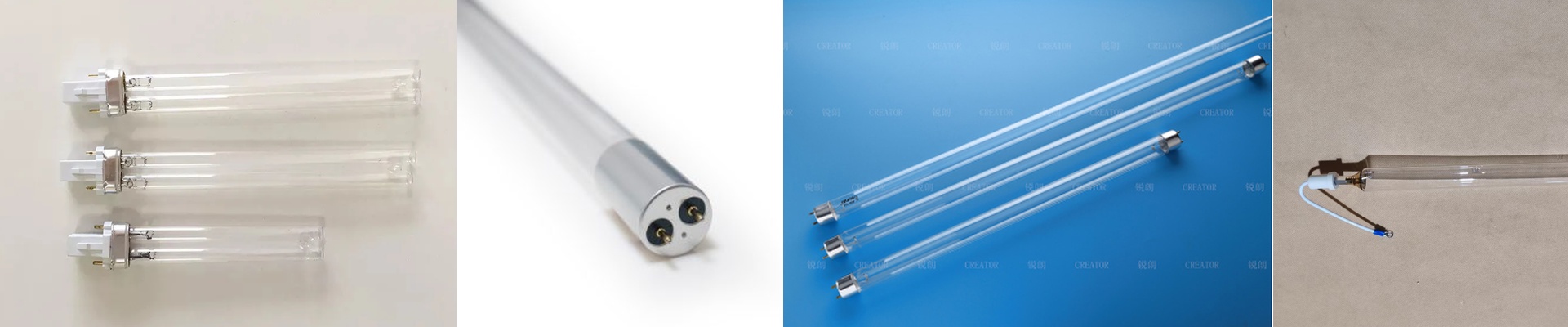
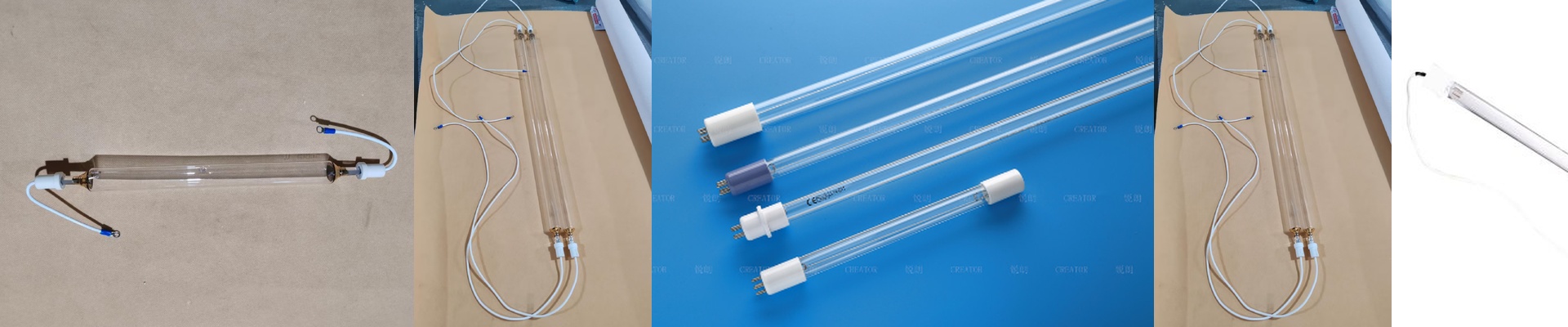
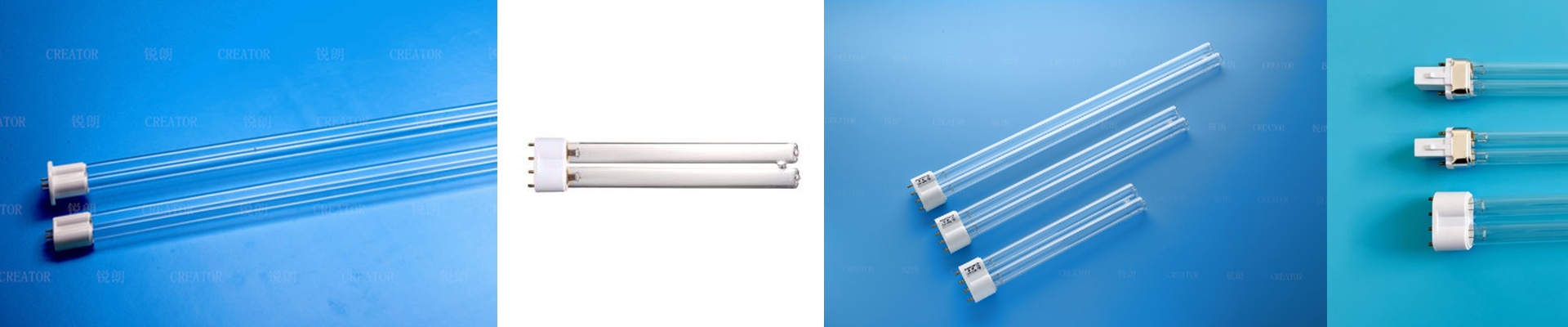
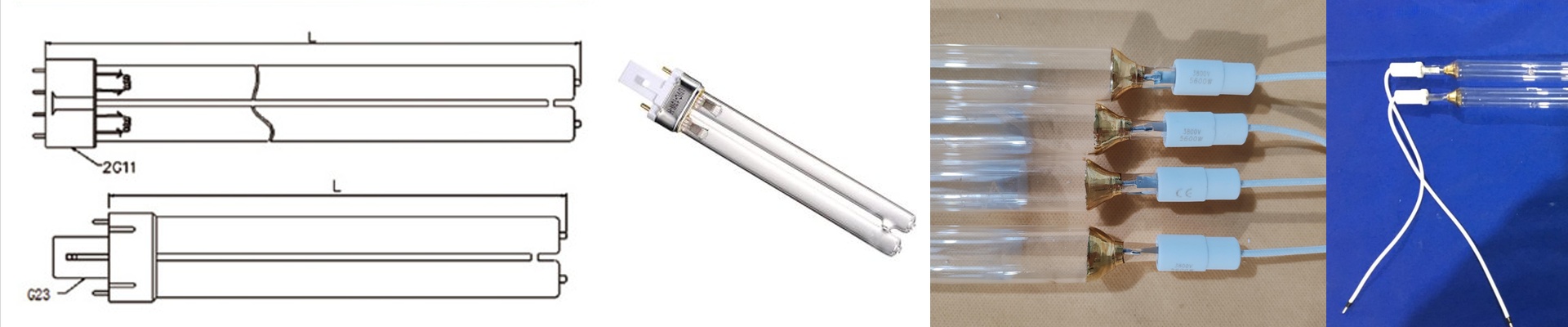
Stop Wasting Your UV Power
Most UV-C lamps brag about having a 254nm peak. But if you actually look at them, the spectrum usually drifts. It’s messy. We spent months obsessing over a 0.5% energy concentration target. Why? Because when the peak is too wide, you’re wasting power on wavelengths that don’t actually kill anything. Think of it like the difference between a dim flashlight and a precision laser. One just glows; the other actually does the work.
Getting the Physics Right
Getting that energy into a tight band is a nightmare. You have to nail the mercury vapor pressure and use incredibly pure quartz. We started by tightening the tolerances on the quartz wall thickness. It sounds overkill, but if the glass varies by even a few microns, the internal pressure shifts as the lamp heats up. That shift pushes your peak right off target. We also switched to high-purity synthetic quartz. Cheaper tubes have this “absorption dip” where the glass basically steals the light. With the good stuff, more photons actually hit the target instead of getting trapped in the glass.
The Honest Trade-off
Here’s the catch: pushing for this kind of concentration puts a lot of heat and stress on the lamp ends. Your electrodes take a beating. If you compare this to a broad-spectrum lamp, you’ll notice a slight dip in total lifespan. But we’re okay with that. We’d gladly take a 10% shorter life if it means a 15% jump in how well the lamp actually kills germs. To us, that’s a fair trade.
A Few Tips for the Field
When you’re wiring these in, please—check your ballast stability. If your voltage is jumping around, it’ll ruin the spectral precision we worked so hard to build into the tube. These aren’t the kind of lamps you can just plug into any generic driver and hope for the best. You need a rock-solid current to keep that 0.5% concentration. And keep an eye on your cooling. If your fans die, the lamp overheats and the spectrum starts to broaden. Give the lamp some breathing room. Make sure your airflow is actually designed to handle the heat density of a concentrated source.