
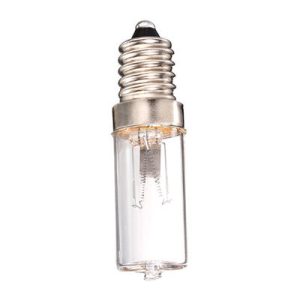
Why CE Certification Actually Matters for Your UV Lamps
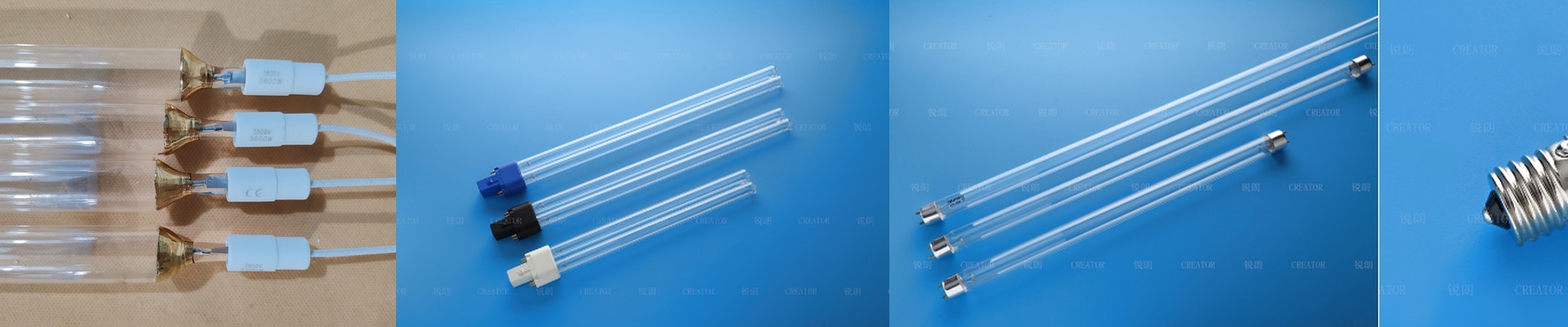
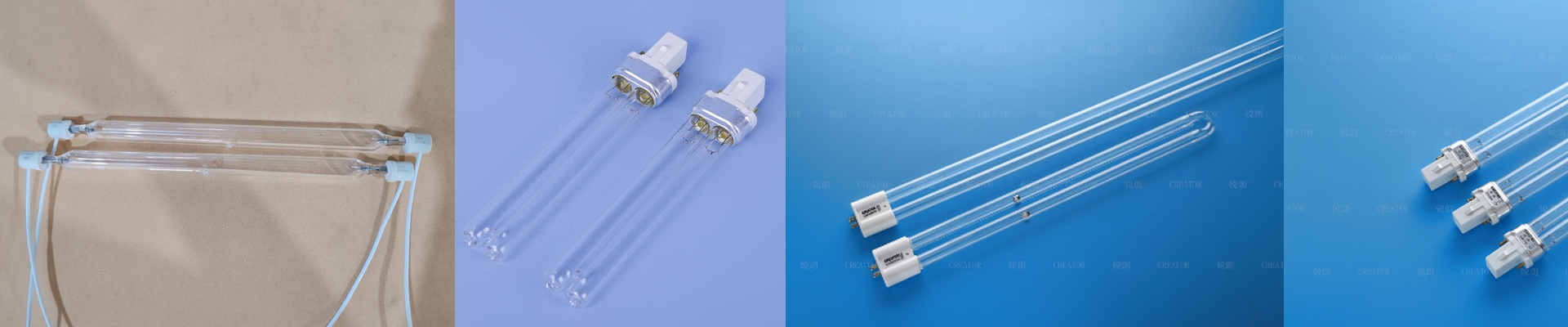
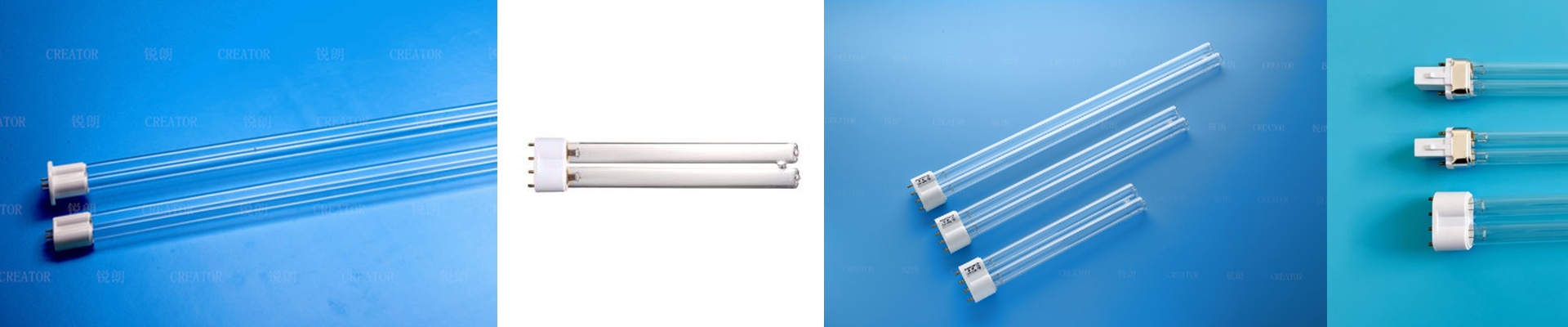
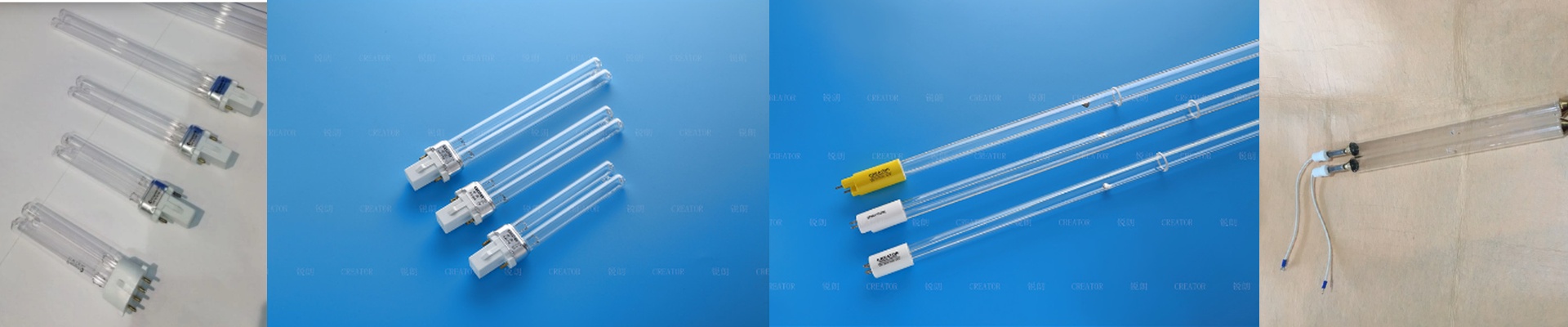
I see it all the time. Buyers look at that CE stamp on a high-pressure mercury lamp and think it’s just a checkbox for the paperwork. A formality. But here’s the thing: these aren’t just lightbulbs. We’re talking about high-voltage gear that puts out intense heat and ionizing radiation. Treating the certification like a sticker is a risky move. The nitty-gritty of how they’re built When we talk about CE compliance, we’re really talking about whether the lamp will hold up when things get hot. Like, really hot. We design these things to handle massive thermal loads. If the insulation isn’t up to snuff, you’re looking at an arc-over. It’s messy and dangerous. That’s why we use materials that won’t break down at 600°C. It’s not about following a rulebook; it’s about making sure the lamp doesn’t fail when you need it most. Keeping the lights on (literally) If you’re running a production line in Europe or North America, “unbranded” gear is a gamble you don’t want to take. Nobody wants to wake up to a fried ballast or a fire in the middle of a shift. That CE mark is basically a technical baseline. It tells you the electrical draw is actually what we say it is. Without that peace of mind, trying to plug these into an automated curing line or a PET blowing machine is just asking for trouble. The cost vs. the headache I’ll be honest: meeting these standards costs more. Getting the electromagnetic compatibility (EMC) right and making sure the mercury stays put requires a lot more precision during the quartz sealing process. It means the price tag is higher than some non-certified alternative you might find online. But think about the alternative. You save a few bucks today, but you risk a total system burnout tomorrow. Downtime is expensive. Replacing a whole system because a cheap lamp lacked electrical stability is a nightmare. For us, that certification isn’t just a piece of paper. It’s the proof that you can wire the lamp up, flip the switch, and run it at full load without worrying about what’s happening inside the casing.