
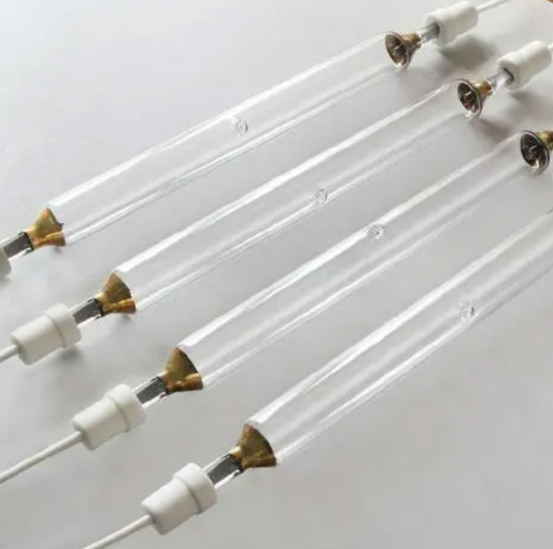
A No-Nonsense Guide to High-Pressure Mercury UV Lamps
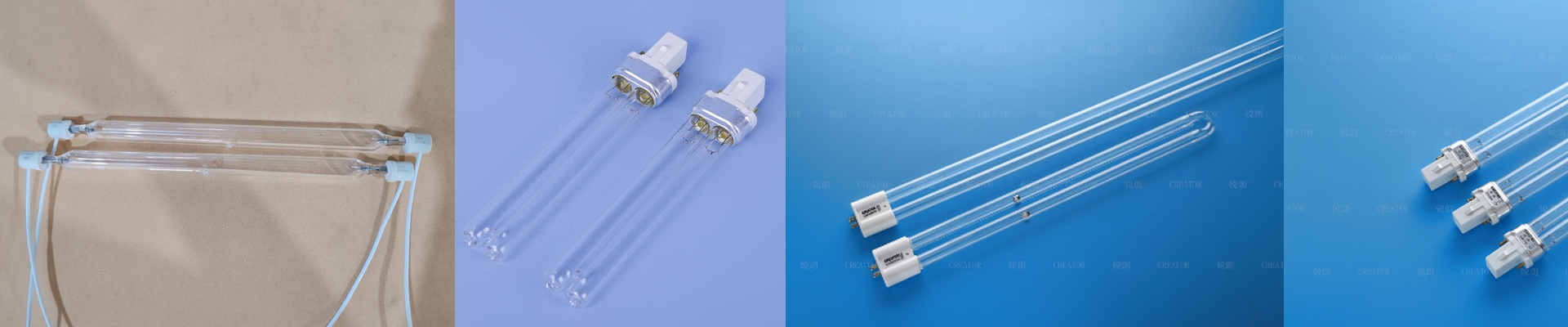
If you’re in the printing business, you already know that high-pressure mercury lamps are the real heavy lifters. They do the dirty work of triggering that photochemical reaction, turning liquid ink into a solid, cured finish in a matter of seconds. For most small to mid-sized shops, it’s all about a balancing act. You want a punchy UV hit, but you don’t want your electric bill or maintenance costs to spiral out of control. The heat struggle Here’s the thing: the performance of your lamp comes down to the wattage-to-length ratio. If you pack more wattage into a shorter tube, you get more intensity. That means you can crank up your conveyor speed and get more jobs out the door. But there’s a catch. More power means more heat. If you push the wattage too hard without beefing up your cooling fans or water jackets, things go south quickly. You’ll end up burning out the lamp ends or, even worse, warping your reflector. We spec our lamps so you get that stable UV output without accidentally cooking your substrate. Why the glass matters We use high-purity fused quartz for the envelope. Why? Because standard glass is basically a wall that blocks the exact UV wavelengths you need to cure your ink. Quartz lets those short-wave rays slide right through. Inside the tube, it’s all about the mercury vapor pressure. By tweaking the fill and keeping the arc steady, we make sure the lamp hits the specific nanometer range your ink’s photoinitiator is looking for. It just works. Keeping things running We design our custom lamps to be simple drop-in replacements. No need to spend your afternoon rewiring the ballast or messing with connectors; they just fit into the footprint you already have. One tip: keep an eye on how the lamp ages. As those electrodes wear down, your UV output starts to dip. Don’t wait until you start seeing “wet” spots on your prints to swap them out. By the time that happens, you’ve already lost money on wasted material and slowed-down production. It’s much easier to replace the tube a little early than to deal with a batch of ruined prints.