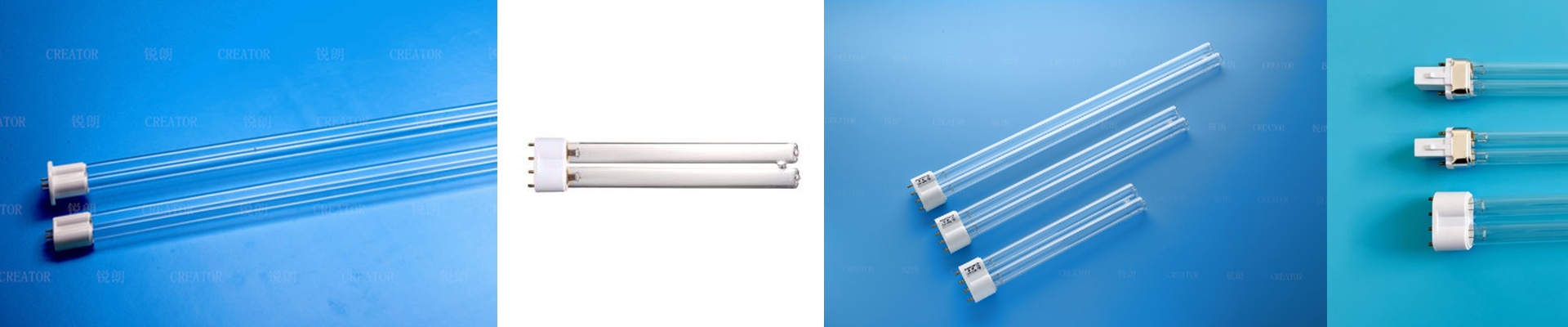
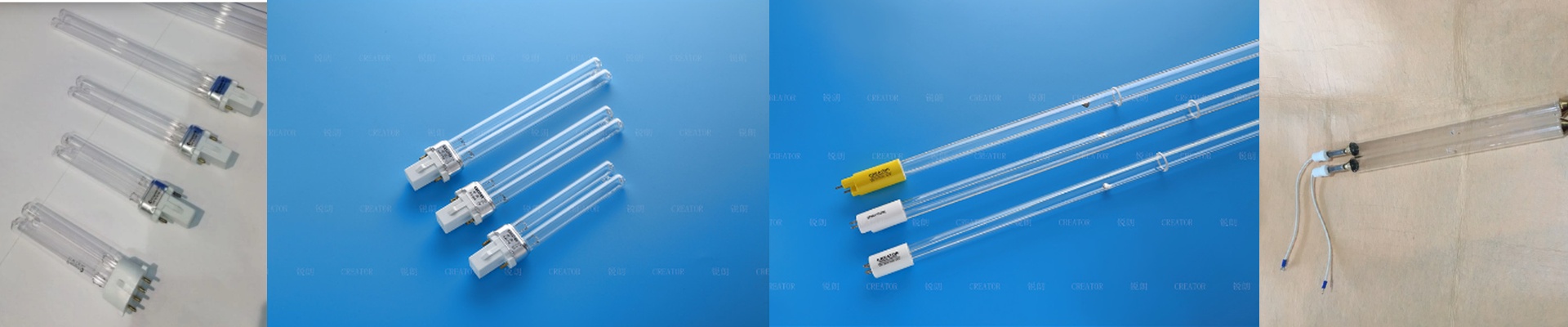

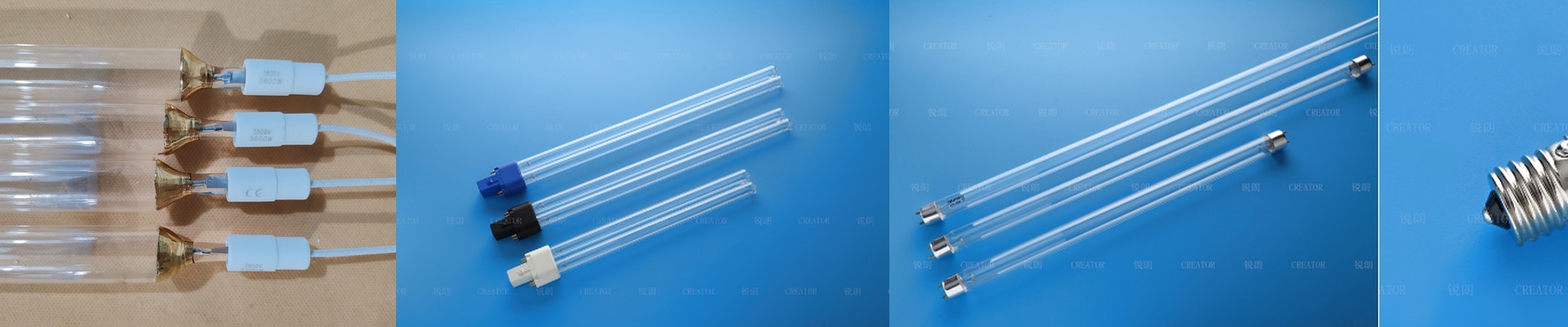
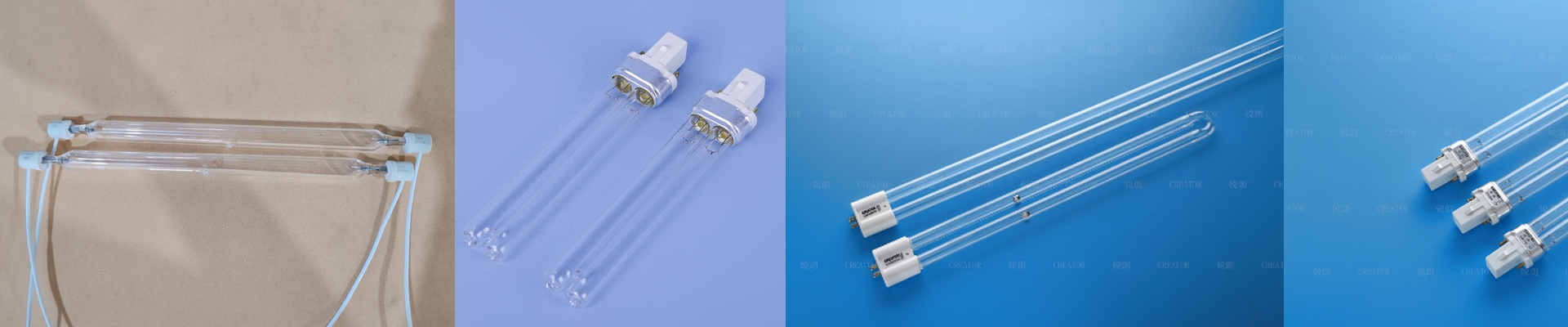
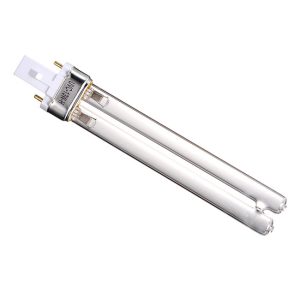
Most people think UV germicidal lamps belong in a sterile hospital wing. But in the textile world, they’re basically our secret weapon. From the moment raw fibers hit the floor to the second a shirt gets bagged, we use UV-C light to keep things clean. It’s simple science: the light hits the DNA of germs and breaks it. No DNA, no bacteria. The nitty-gritty on the gear If you’re running a fast conveyor belt, you can’t just use any old bulb. You need serious power. We look at the “dose”—basically how much light hits the fabric and for how long. I always insist on high-purity quartz lamps. Why? Because cheap glass actually soaks up the UV rays. If you go low-grade, you’re just paying for electricity that never even reaches the fabric. It’s a total waste. Where we actually put them We usually tuck these lamps into three spots: First, right at the start. We run incoming fabrics through UV tunnels to wipe out mold spores before they can spread. Then, there’s the wet processing area. We use UV to stop that gross, slimy biofilm from clogging up the water recycling systems. Finally, just before the plastic wrap goes on, the garments get one last pass. It’s that peace of mind knowing the product is sterile before it ships. The trade-offs (and the danger) Here’s the thing: UV-C is nasty stuff. It’ll burn your skin and wreck your eyes in a heartbeat. You can’t just plug these in and hope for the best. We build in hardware interlocks and PIR sensors. If a worker opens a door, the power cuts instantly. No exceptions. And you have to be careful with the fabric itself. High-intensity UV can be too aggressive. If you leave a polyester blend under the lights too long, it’ll start to yellow or the fibers will just get weak. It’s a balancing act. You want the germs dead, but you don’t want to ruin the cloth. Get the timing wrong, and you’ve just turned a shipment of clothes into scrap.