
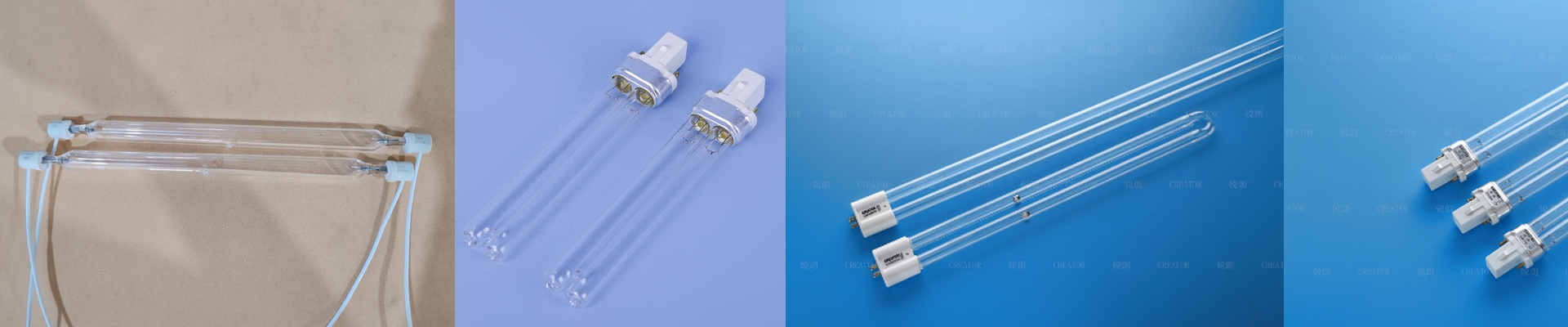
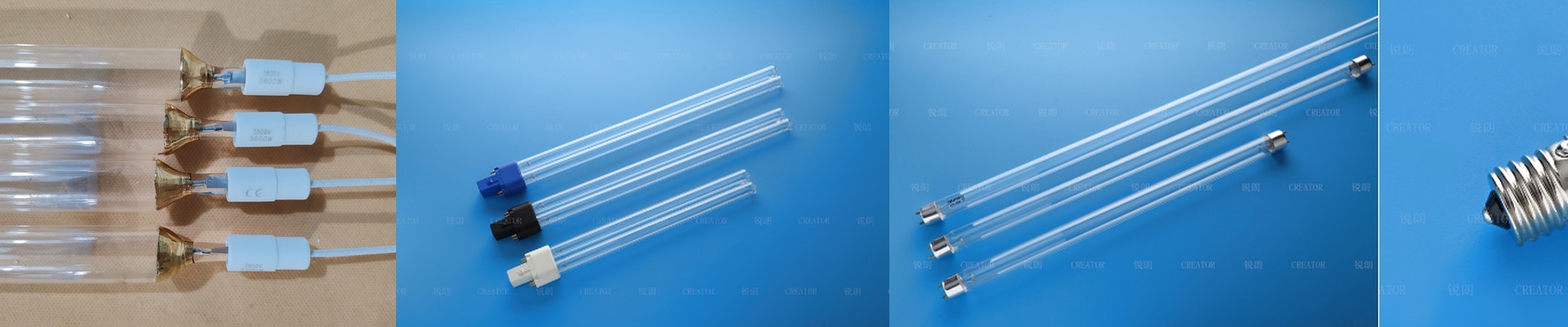
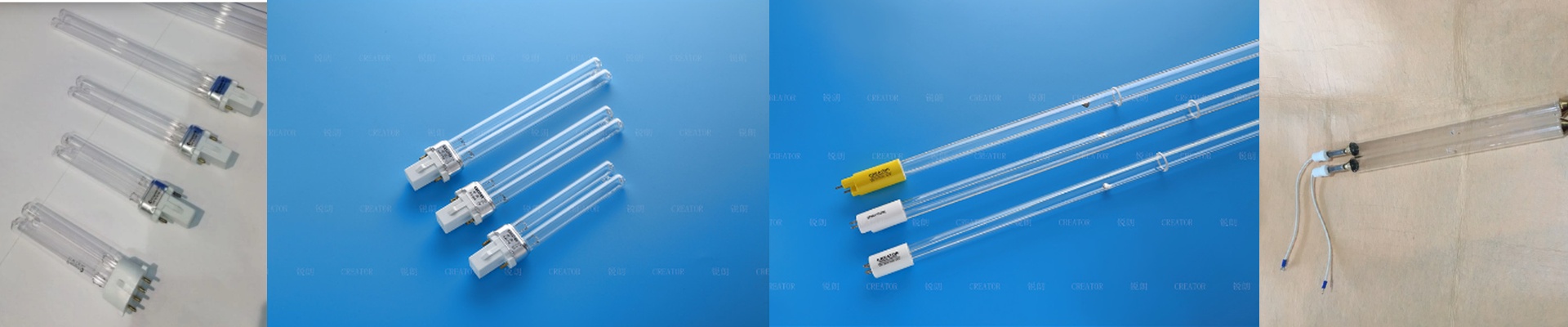
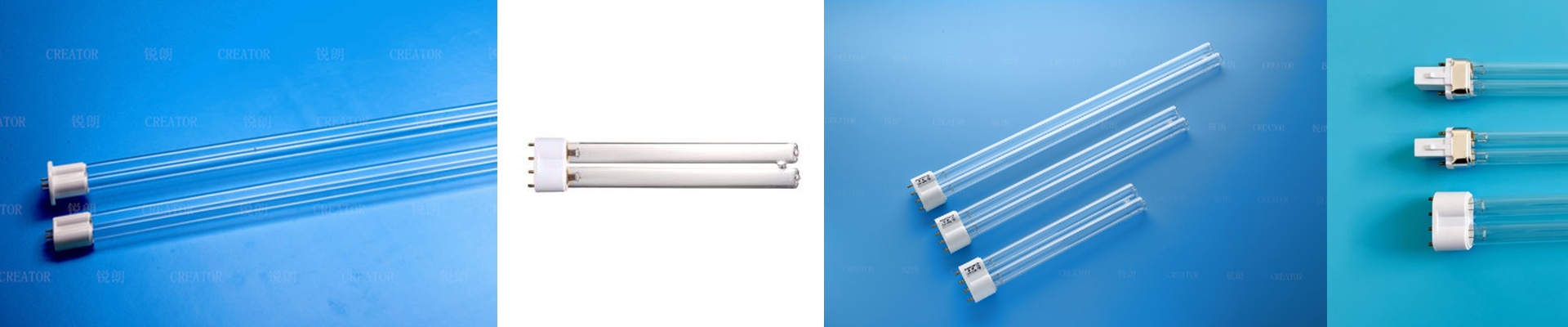
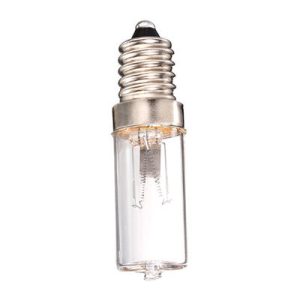
Getting the Most Out of High-Pressure Mercury UV Lamps
We don’t build these lamps just for the sake of it. We do it because some jobs need a very specific kind of light. Most generic UV sources just spray energy everywhere across the spectrum. It’s messy. We spend our time narrowing that window down. We focus on the UVC and UVB peaks so the photons actually hit the molecules they’re supposed to, whether you’re curing a coating or sterilizing a line.
The heat is the hard part
Running a mercury lamp at high pressure is a bit of a balancing act between voltage and the gas inside. We kick things off with a high-voltage start to get the gas moving, then we stabilize the arc to keep that plasma core steady. That gives you a ton of energy in a small space. But there’s a catch:**these things get hot.**Really hot. If you skimp on your cooling fans or water jackets, the quartz envelope is going to feel that stress. And when it stresses, it breaks. Simple as that.
Why we use fused quartz
You won’t find standard glass here. We use high-purity fused quartz because it doesn’t “eat” the light. It lets those shortwave UV rays pass straight through the wall and get to work. We’ve spent a lot of time tweaking the wall thickness. It needs to be thick enough so the tube doesn’t bow when it heats up, but thin enough to keep the UV transmission above 90%. It’s a tight line to walk.
Putting it into your setup
We want these to be a “drop-in” experience. Whether you’re working with a PET blowing line or a chemical reactor, the footprint just needs to fit. One thing we obsess over is electrode stability. You’ve probably seen “end-blackening” on older lamps—that dark gunk that kills your output long before the mercury is actually gone. We work to stop that. You get a steady, consistent glow across the whole tube. Just a heads-up:**match your ballast to the wattage.**If you get this wrong, you’ll either see the arc flickering or you’ll burn through your filament in a few hours. Not a great way to start the day.