
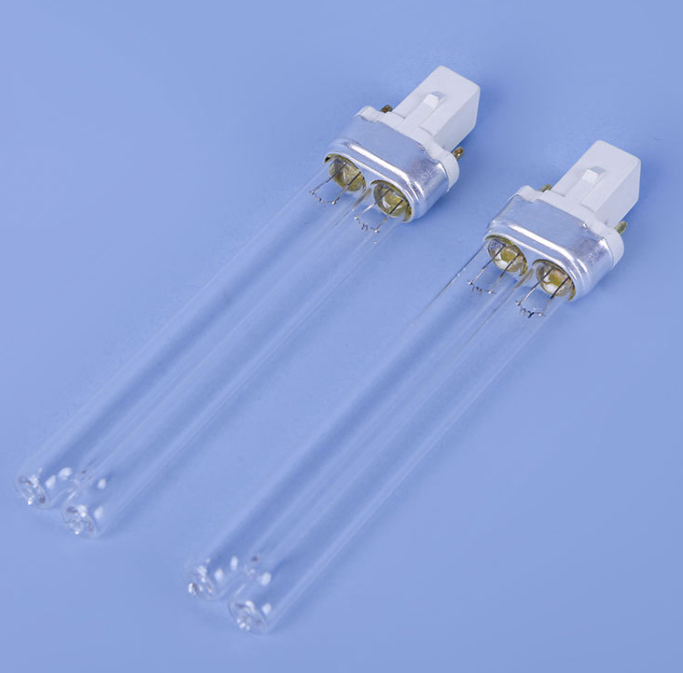
Stop Guessing with Your UV Lamps
For too long, industrial UV lamps have been a total mystery. You flip the switch, the light comes on, and you just hope it’s doing its job. You don’t actually know if the irradiance is hitting the mark until something goes wrong—either a quality check fails or a bulb just dies. It’s a stressful way to run a line. So, we decided to fix it by putting remote energy monitoring right into the ballast and the circuitry.
How it actually works
We’re done with simple timers. They’re blunt tools. The new setup uses current sensors and voltage monitors to keep an eye on power draw in real-time. Think of it like a heart monitor for your lamps. By watching the wattage fluctuate, you can tell when a lamp is starting to fade before the UV-C output drops too low to sterilize anything. All that data flows straight to your PLC or a cloud dashboard. You get a live look at exactly how much energy every single tube in your array is using. No more guessing.
The honest trade-off
Look, adding this kind of intelligence makes the wiring a bit more complex. You can’t just pop these into a cheap, basic socket. You’ll need a smart ballast to handle the data, which means your upfront cost goes up. But here’s the win: you stop wasting hours on manual inspections. Most people swap lamps on a rigid schedule. The problem? You usually toss bulbs that still have 20% of their life left. With this data, you only replace a tube when it actually needs it.
What this means for your floor
If you’re buying wholesale—whether you’re in China or anywhere else—this changes the conversation. You’re not just selling a glass bulb anymore; you’re providing a system that manages itself. Imagine a massive disinfection tunnel. Instead of checking every single light, you just look at your screen, spot the one lamp that’s dipping in power, and swap it out. Your line stays up. Your energy bill stays lean. And you stop paying for overpowered systems when the job doesn’t call for it. It just makes sense.