
Getting the Wavelength Right: The Truth About Custom UV Lamps
Most UV lamps you buy off a shelf are “generalists.” They throw out a broad spectrum of light, which is fine for some things, but for serious industrial curing or lab work? It’s usually a waste of energy. If you’re trying to hit a specific chemical bond or trigger a photo-initiator, you don’t need more light—you need the right light. We focus on narrow-band output. To get that, we have to get obsessive about the gas mixture inside the lamp and the purity of the quartz.
How we actually control the light
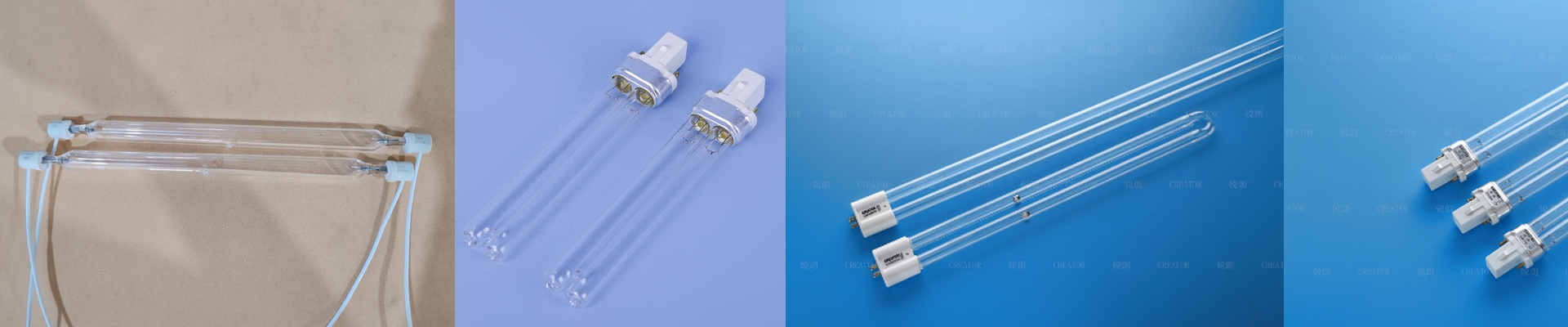
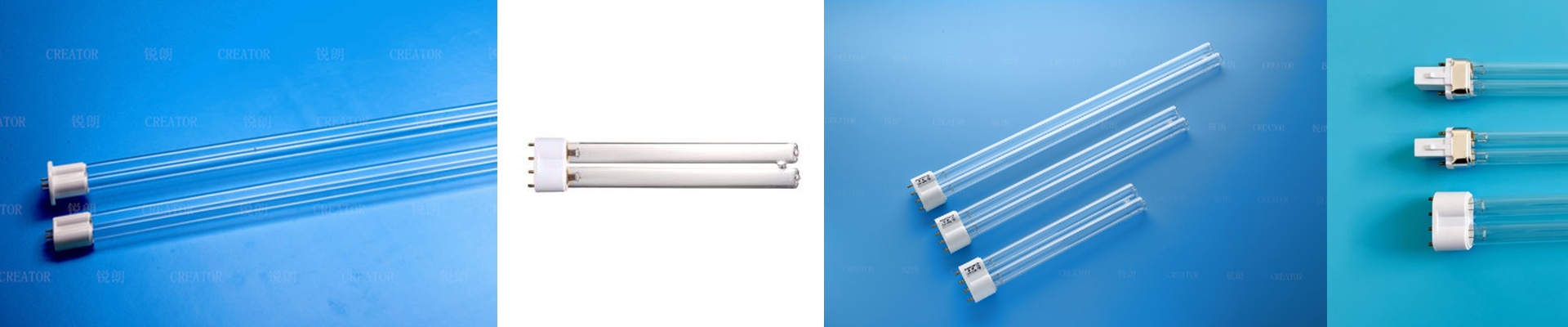
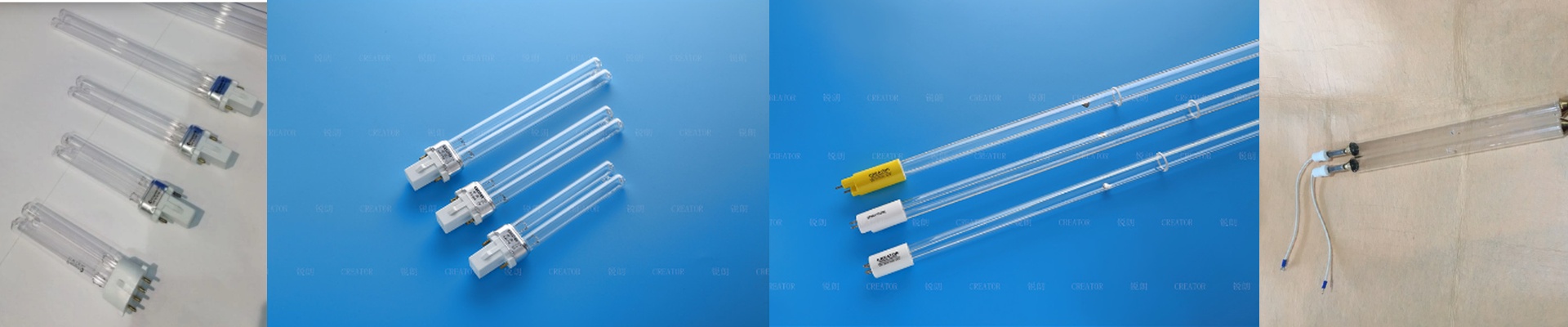
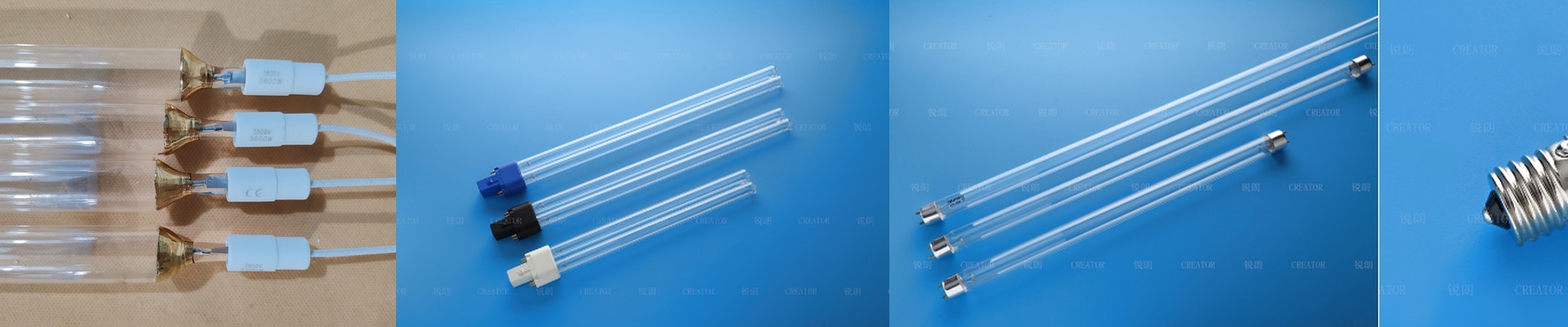
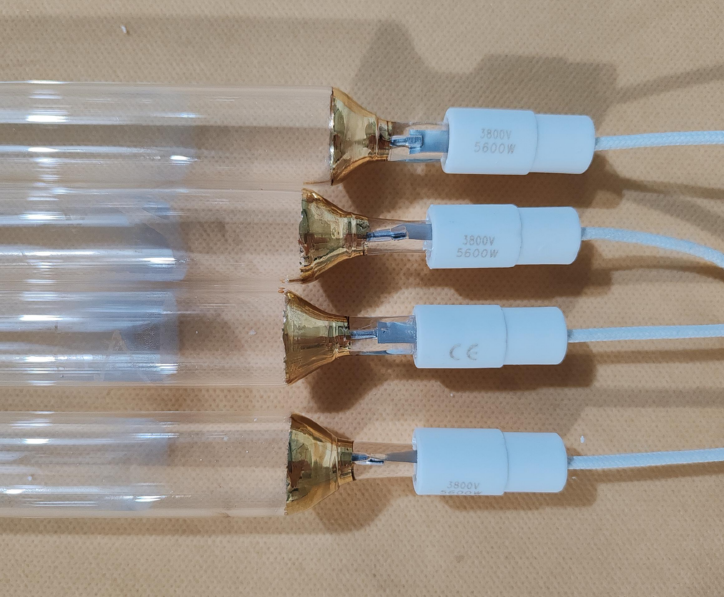
It’s not as simple as flipping a switch. To shift that peak emission, we play around with the internal pressure and the materials used in the electrodes. Say you need a dead-on 254nm for sterilization, or a specific long-wave peak to get a resin to set. That’s where the glass comes in. We use pure synthetic quartz because regular glass is a sponge—it absorbs the very UV rays the lamp is trying to push out. Sometimes we dope or coat the tube to fine-tune the output. It’s a delicate balance.
The heat problem
High-intensity UV creates a ton of heat. A lot. If we cram too many watts into a tube that’s too short, the quartz will stress out and eventually just crack. It’s a nightmare. That’s why we spend so much time balancing the wattage against the surface area. And a quick heads-up on the electrical side: your ballast settings have to match the lamp’s impedance perfectly. If you hit it with a voltage spike? You’ll fry the electrodes instantly.
The trade-offs you should know about
We can make these lamps fit right into your current setup—whether you use a standard twist-lock or custom solder pins. We make sure the connection is airtight, so you can just drop them in and get back to work. But here’s the catch. The narrower you make that wavelength band, the less raw power (radiant flux) you get. You’re trading brute force for precision. If your process needs to be lightning-fast and incredibly precise, you can’t just use one big lamp. You’ll need an array of them. Just keep in mind that more lamps mean more heat, so you’ll want to beef up your cooling system to keep things from overheating.