
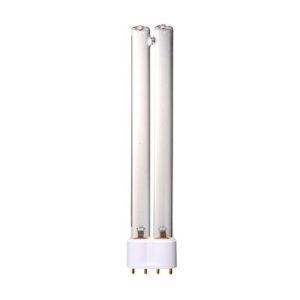
Stop Guessing When Your UV Bulbs Are Dying
For years, mercury UV bulbs have been the old reliable of the industrial world. Whether you’re curing polymers or killing pathogens, the physics just work. We sell them in huge volumes because they get the job done. But there’s a problem. Most people run these lamps blindly. You turn them on, you hope they’re working, and you pray they don’t blow out in the middle of a rush.
A Smarter Way to Watch Your Power
Usually, a UV lamp is a “set it and forget it” deal—right up until it dies and ruins your day. We’re changing that. We’ve started putting remote energy monitoring right into the ballast and lamp interface. Instead of guessing, you can actually see the wattage and voltage fluctuations in real-time. Here is the secret: a bulb usually starts losing power long before it actually looks “burnt out.” If you can see that dip in your data, you can swap the bulb during a scheduled break.**No more emergency shutdowns.**No more frantic calls to the floor manager because a production line just stopped mid-shift.
The Nitty-Gritty Stuff
Now, adding sensors doesn’t magically change how a mercury arc works. You’re still dealing with a lot of heat and a heavy power draw. If you’re running a big array, your electrical panels still need to be built to handle that initial strike current. Plus, adding IoT monitoring means a bit more wiring. You’ll need a stable data gateway on your shop floor to get that info onto your screen. It’s one extra step during setup. But it beats the hell out of keeping a manual logbook of run-hours and hoping your math is right.
Where This Actually Matters
We see the biggest wins in PET blowing and coating lines. When you can watch your energy from a distance, you start noticing “energy leaks.” These are lamps that are sucking up electricity but aren’t actually hitting the UV intensity you need. You stop paying for power you aren’t using. More importantly, you stop replacing bulbs based on a calendar and start doing it based onactual data. It just makes sense.