
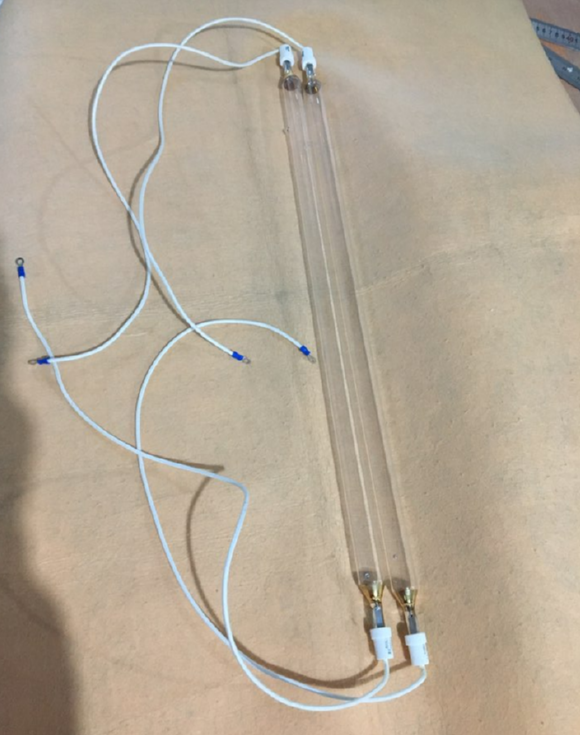
Making High-Speed Printing Actually Work: The Truth About UV Curing
Ever wonder how a printing press can pump out thousands of packages a minute without the ink smearing everywhere? It’s not magic; it’s just the right kind of light. We build UV lamps that hit the ink with a specific burst of energy, turning liquid into a solid film almost the second it touches the page. If you’re running a high-volume shop or a packaging plant, you know the pressure. You need gear that doesn’t quit when the orders pile up.
The Science (Simplified)
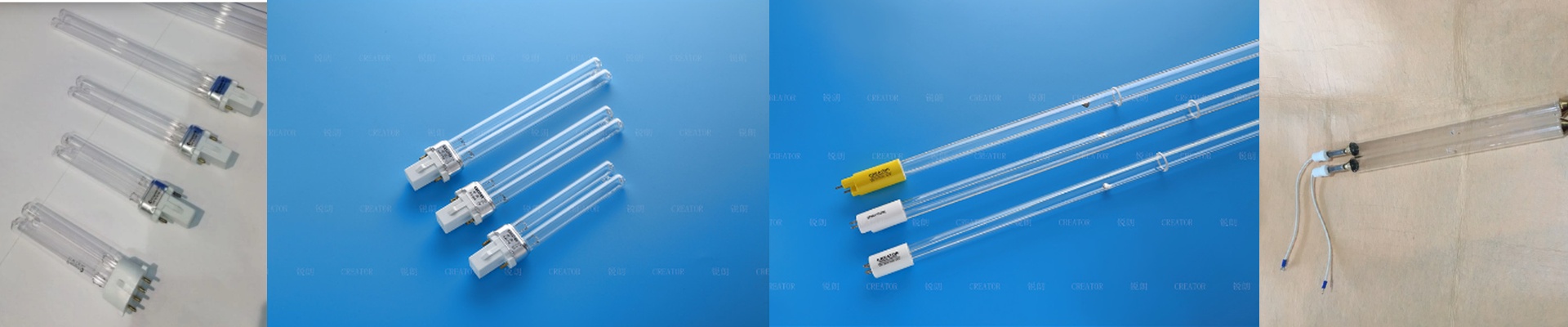
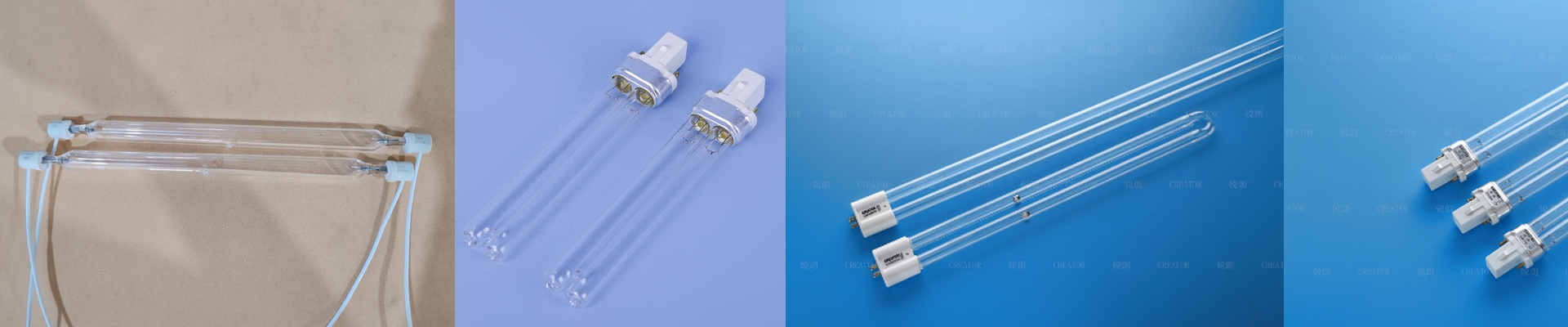
At the heart of our systems is a mercury-vapor discharge. We tune these lamps to hit a sweet spot—usually between 254nm and 365nm. That’s the “magic” range where the chemicals in industrial inks actually react. But here’s the thing: it’s all aboutirradiance. That’s just a fancy way of saying “how much energy is actually hitting the surface.” If you crank your conveyor up to 100 meters per minute, you’re moving fast. Really fast. To keep up, you need higher energy density. Otherwise, you’re just printing a blurry mess. Just a heads-up: more power means more heat. If you don’t have the airflow to cool things down, you’ll bake your reflectors and kill your tubes way sooner than you should.
Setup and the “Headaches”
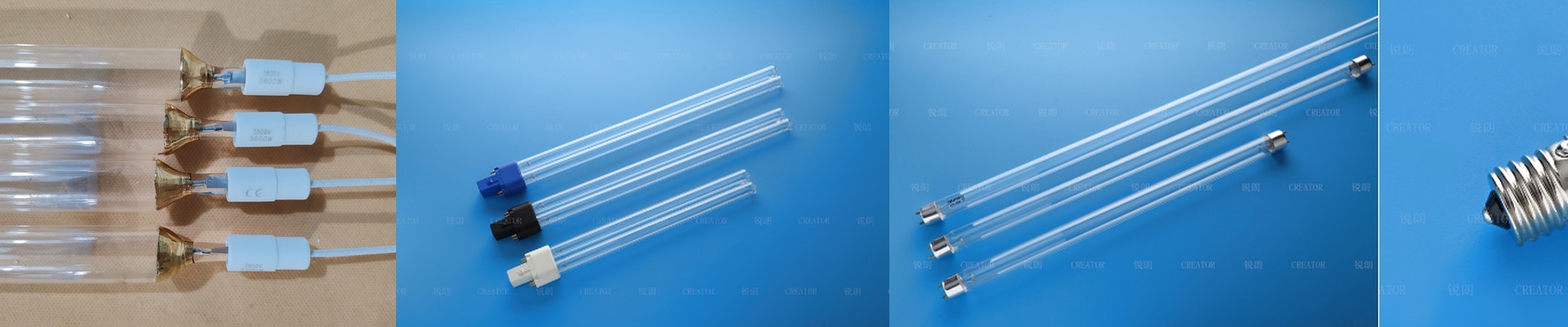
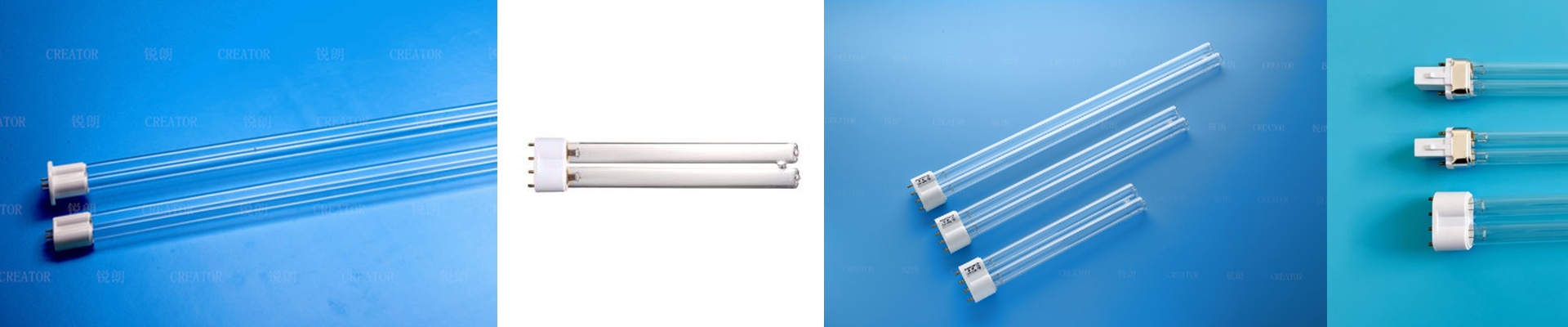
Nobody likes downtime. That’s why we make our lamps easy to swap out. We use quartz sleeves to protect the arc from dust and ink splashes. We use quartz because it lets the UV rays slide right through without soaking up the energy. It’s simple, and it works. One quick tip:check your ballast settingswhen you swap a lamp. If the voltage from the ballast doesn’t match what the lamp needs, you’re going to burn through that tube in no time. It’s a small detail, but it saves a lot of money.
The Trade-offs
UV curing is a dream for speed. You can throw away those massive, clunky drying ovens. But you do have to deal with the heat. Even with LEDs becoming more popular, those traditional mercury lamps put out a lot of infrared radiation. Make sure your ventilation can handle the load. If you don’t, you might find your substrates warping under the heat, and that’s a nightmare you don’t want.