
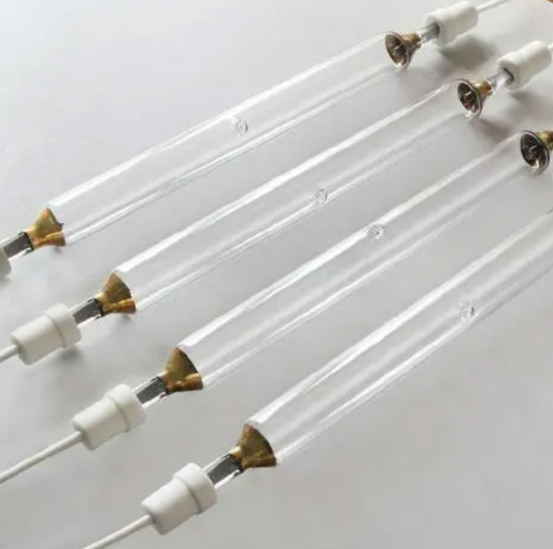
Stop Thinking of UV Lamps as Just Bulbs
Most people look at a UV lamp and see a tool for curing. We see it differently. To us, it’s about how you deliver energy. When we partner with OEMs and ODMs, we aren’t just shipping a part in a box. We’re helping you slide a precision component into a bigger, automated machine.
The Balancing Act: Power vs. Heat
Getting a UV lamp into a modern production line isn’t just “plug and play.” You’ve got to get the power density and heat management exactly right. Here’s the thing: if you just crank up the wattage to speed up your line, you’re going to create a massive heat load. That heat hits your conveyor and your parts. If you aren’t careful, your substrates start warping. It’s a constant tug-of-war between how much UV output you need and what your cooling system can actually handle.
Smarter Than “Set it and Forget it”
The old way of doing things—turning a lamp on and hoping for the best—doesn’t work anymore. We build our UV modules to talk directly to your PLC systems. This lets you keep an eye on things in real-time. You can track when a lamp is starting to age and tweak the power on the fly to keep the dose consistent. And we hate the idea of tearing down a whole machine just to fix one part. That’s why we use modular arrays. You can swap a lamp out quickly and get back to work without ruining your day.
The Real-World Trade-offs
Custom engineering is all about compromise. Take high-intensity shortwave UV. It cures fast. Really fast. But that intensity eats away at reflector materials and ruins housing seals over time. We spend a lot of time helping you pick materials that won’t crumble under constant UV exposure. It’s about making sure the lamp’s lifespan actually matches your maintenance schedule. Whether you’re working in a pristine clean room or a greasy factory floor, the wiring and shielding have to hold up. When it’s done right, you get a drop-in replacement that just works. No headaches, no unexpected downtime.