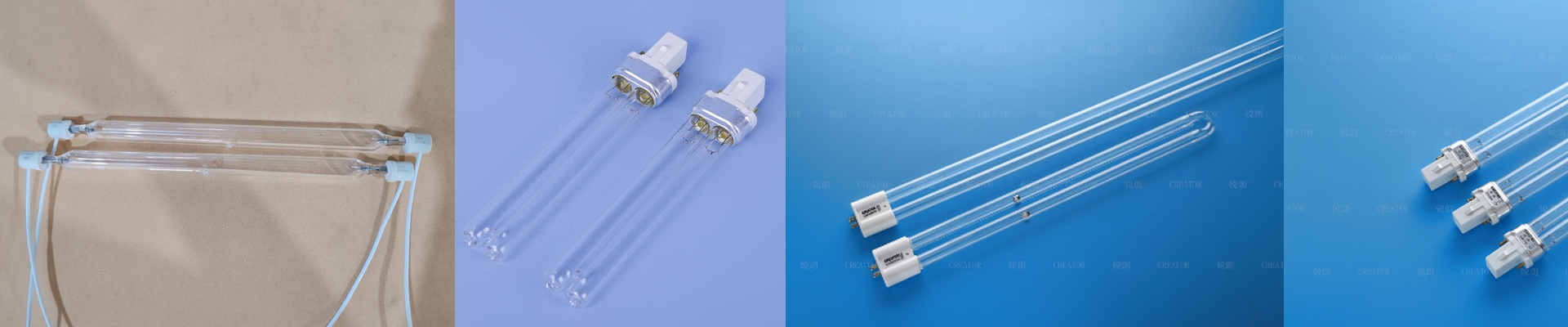

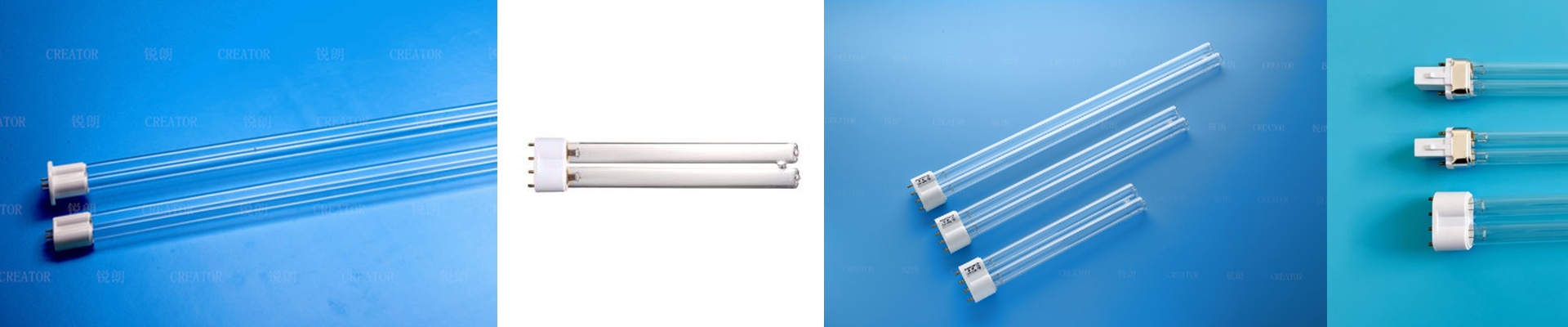
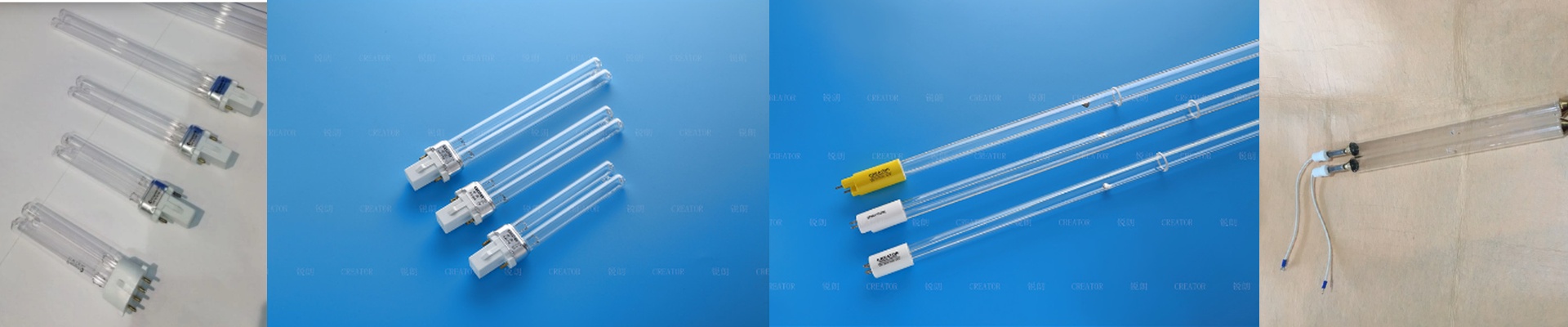
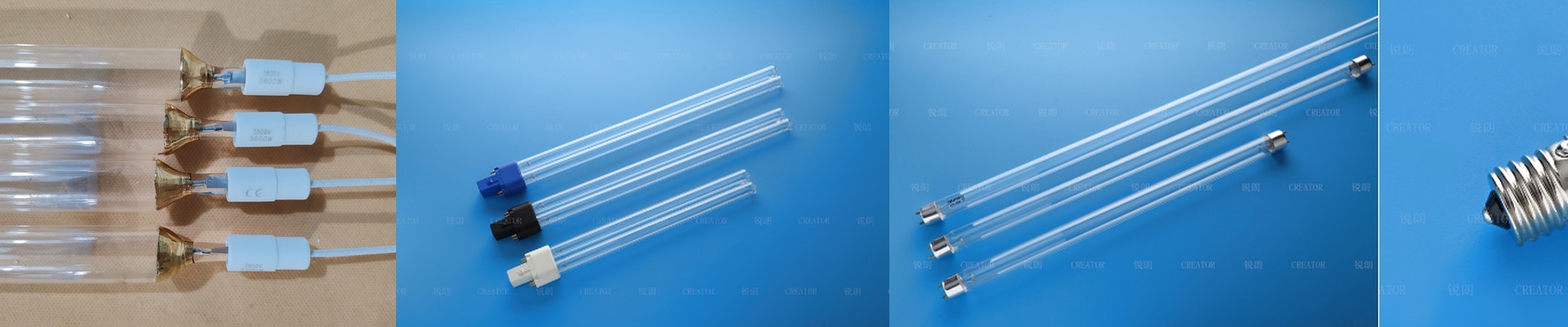
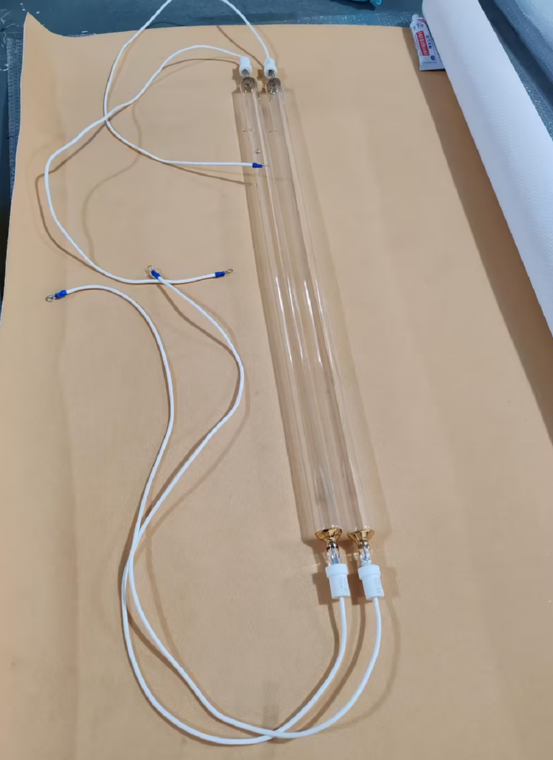
On the press, inconsistent cure isn’t a talking point—it’s downtime, a pile of rejects, and adhesion that’s all over the map. That’s why top press builders run our UV lamps as OEM: they need spectral output that repeats, and dimensional tolerances that hold up under the daily grind. Here’s what actually matters on the technical side. Gallium-doped UV exposure lamps push the dominant emission toward 395–405 nm, which lines up with the photoinitiators in modern LED-compatible and hybrid UV inks. Compared with standard mercury vapor, gallium chemistry gives you more photon flux in the long-UV band, so the surface cures faster without dumping in too much short-wave energy that can cook the substrate. We call out peak irradiance at the arc plane and keep junction temperature under tight control so output stays stable across the lamp life curve. Reflector geometry is tuned for a uniform line profile, and we pick dichroic coatings to fit your cure window—whether you need deep cross-linking or a cooler, controlled top-cure. Why it works in the real world. OEM integration is about fit, period. Our lamps match exact press-engine lengths, flange interfaces, and electrical constraints, so you drop them in and the system stays balanced. Spectral stability cuts variability in cure energy density across the sheet, which tightens register control and keeps fewer jobs off-spec. The spectrum is focused where the ink cures, so energy draw drops. And because we control material purity and prevent thermal runaway, lamp replacement intervals stretch out. For you, that means more uptime, fewer lamp changes, and color that holds steady shift after shift. A few shop-floor details to keep straight. Gallium-doped lamps are picky about ballast and ignition profiles. Match the driver to the lamp impedance and keep ignition surge inside the rated limits—otherwise you’ll see premature end-of-life and spectral drift. Keep reflector alignment true and cooling airflow clean. Dust buildup scatters output and throws the line profile off. If you’re running thick substrates or high line speeds, nail down peak irradiance and dose requirements up front. The right lamp chemistry only matters if the delivered energy matches the ink kinetics.