
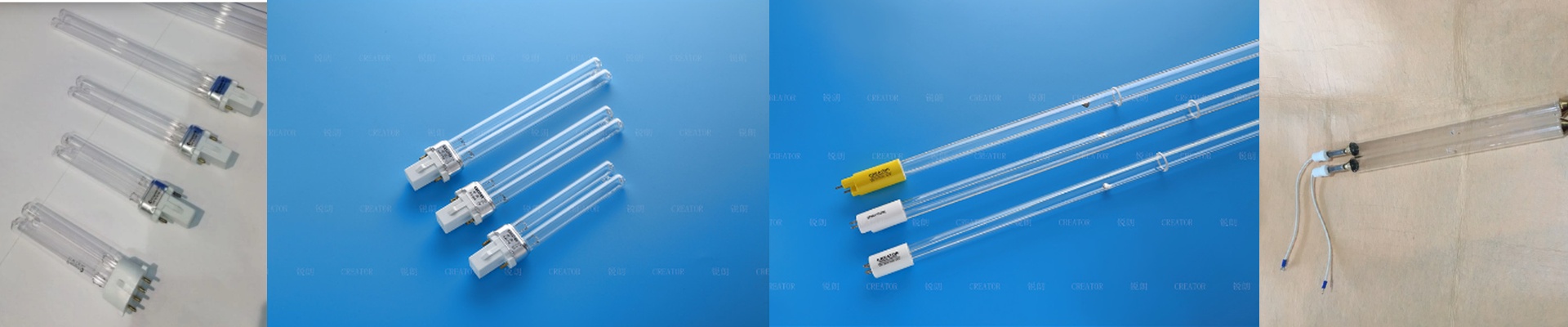
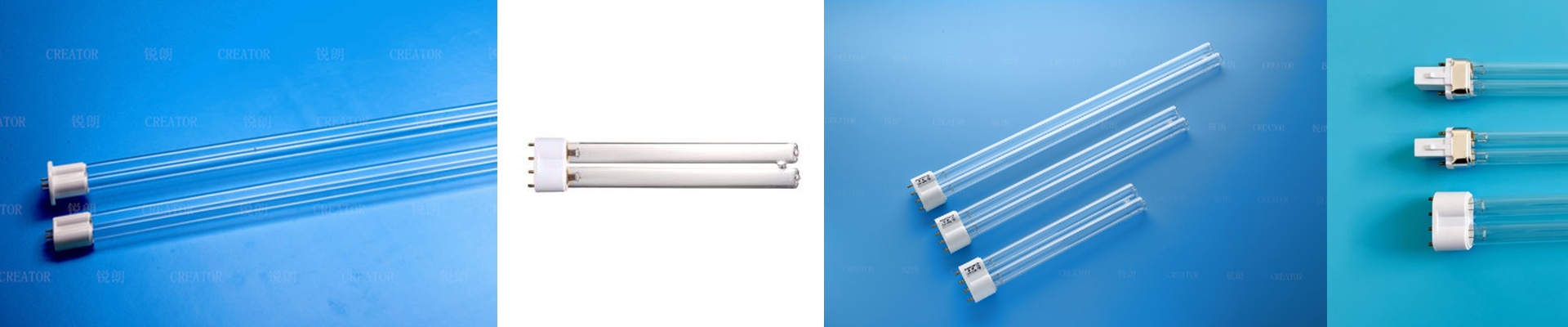
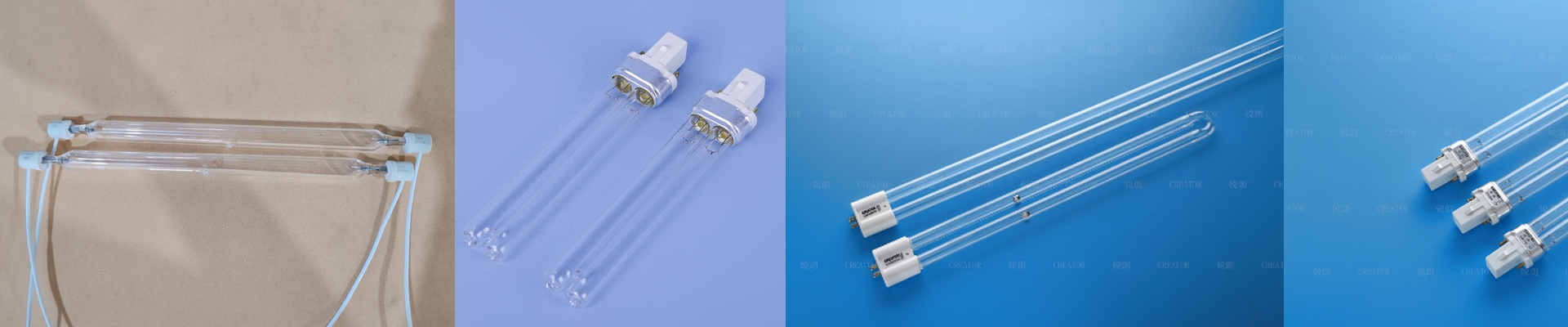
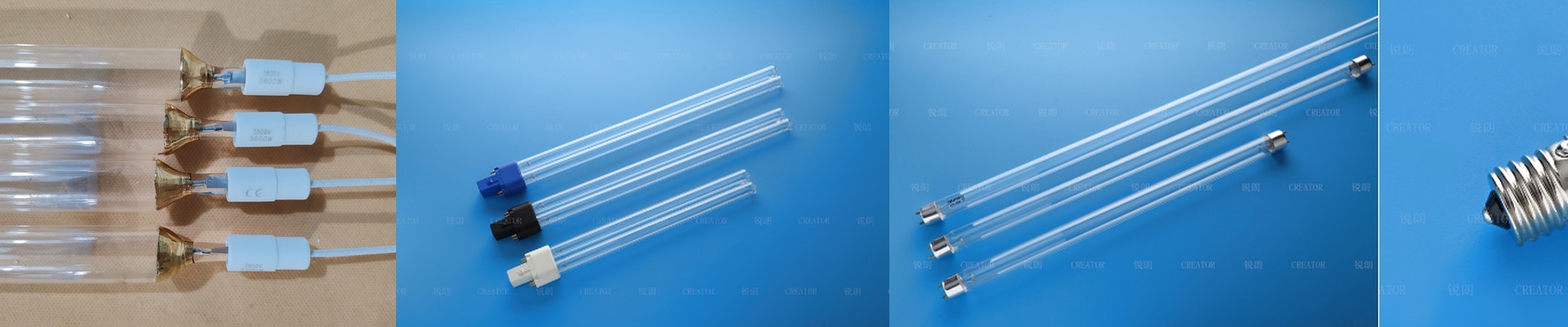
Out on the floor, a sterilization claim is only worth the UVC intensity backing it. If lamp output drifts, the dose hitting the target drops—and microorganisms survive. The only way to stay reliable is to keep a constant, quantitative handle on radiation intensity.
What matters, technically
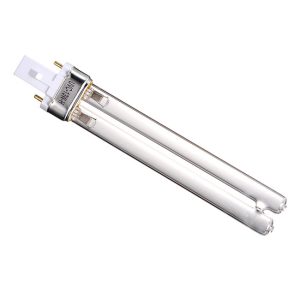
We build Replacement gallium lamps for exposure with a stable spectral output, tuned for germicidal action at 254nm. That wavelength goes straight after DNA and RNA, and the lamp’s quartz envelope plus reflector geometry keep peak irradiance consistent across the target plane. Output isn’t a promise—it’s measured in mJ/cm² right at the work surface. A calibrated radiometer reads intensity in real time, and the system tracks dose accumulation, not just whether the lamp is lit. Gallium doping steadies the arc, cutting spectral drift and holding the photon flux you need for repeatable lethality.
Why this works in practice
Inside your UVC exposure chamber, intensity monitoring turns sterilization into a closed loop. When the radiometer sees the planned dose, the cycle validates. If intensity dips, the controller flags it immediately—so you don’t get false negatives. The gallium lamp holds a steady output for predictable microbial reduction, and the monitoring gives you the audit trail regulators want. The payoff: fewer failed validations, tighter batch control, and less operating risk.
The things you really need to know
Installation comes down to matching lamp base, arc length, and reflector geometry to the chamber. Double-check electrical compatibility, and make sure the radiometer’s spectral response lines up with 254nm. Expect output to fall off as the lamp ages. Plan on periodic recalibration, and swap the lamp when the intensity curve no longer clears the minimum dose threshold. **Keep the quartz and reflector clean.**Dust on either one cuts intensity faster than any spec sheet will admit.