
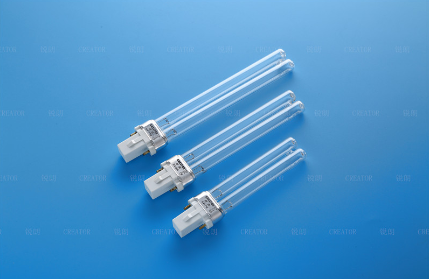
The Real Deal on Standard Mercury UV Bulbs
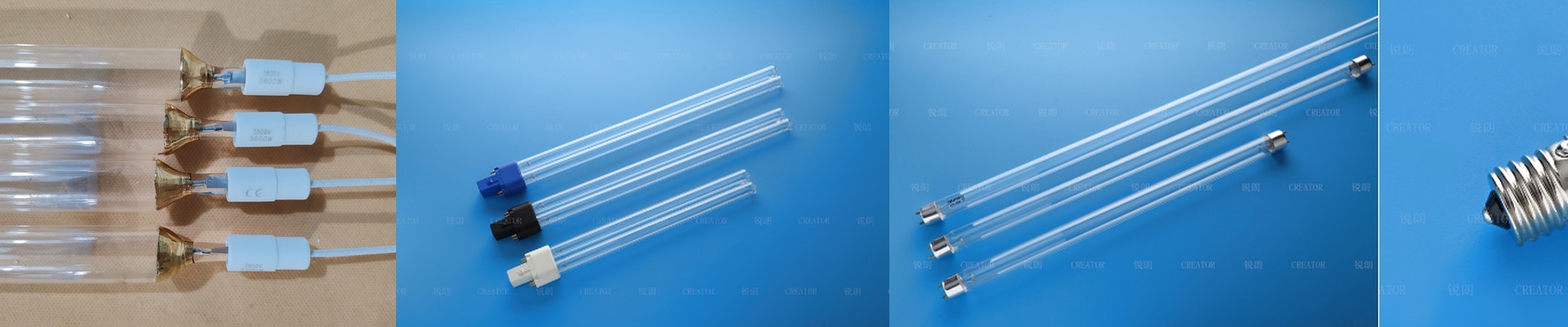
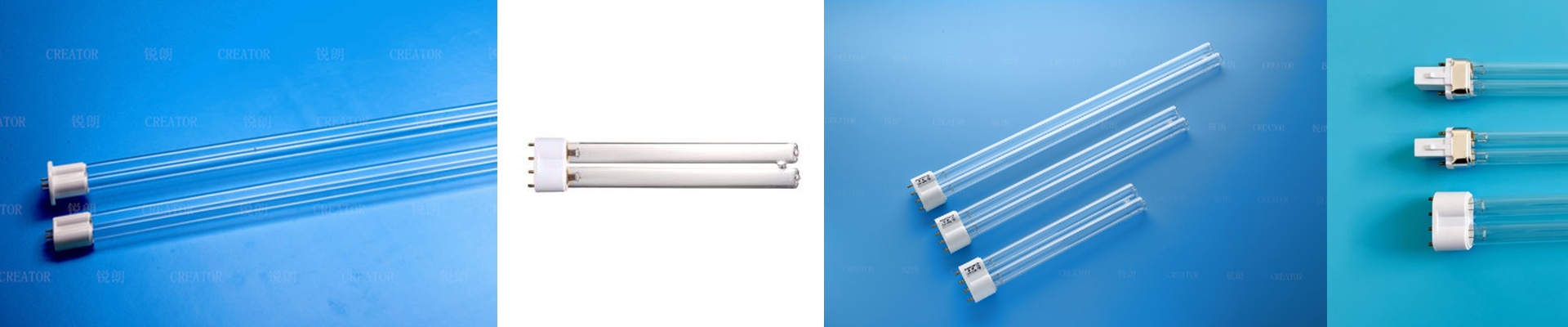
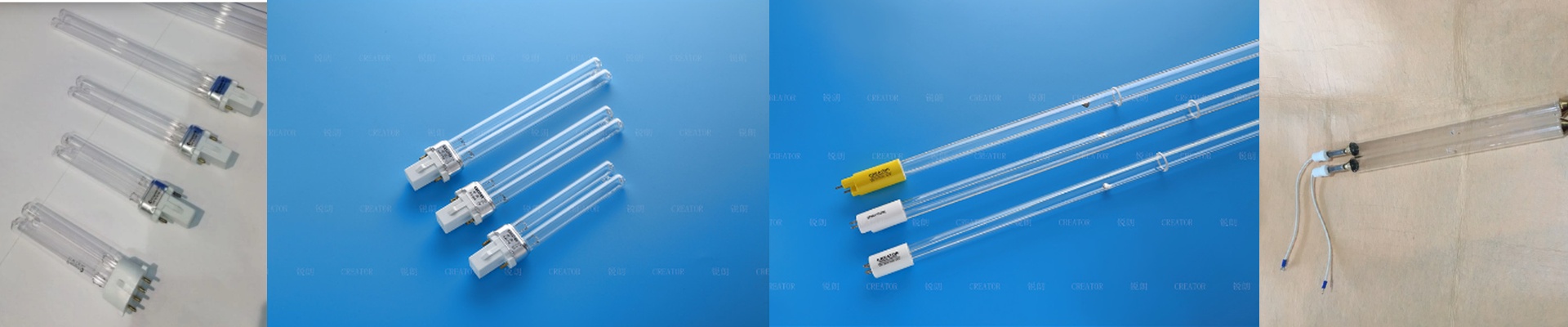
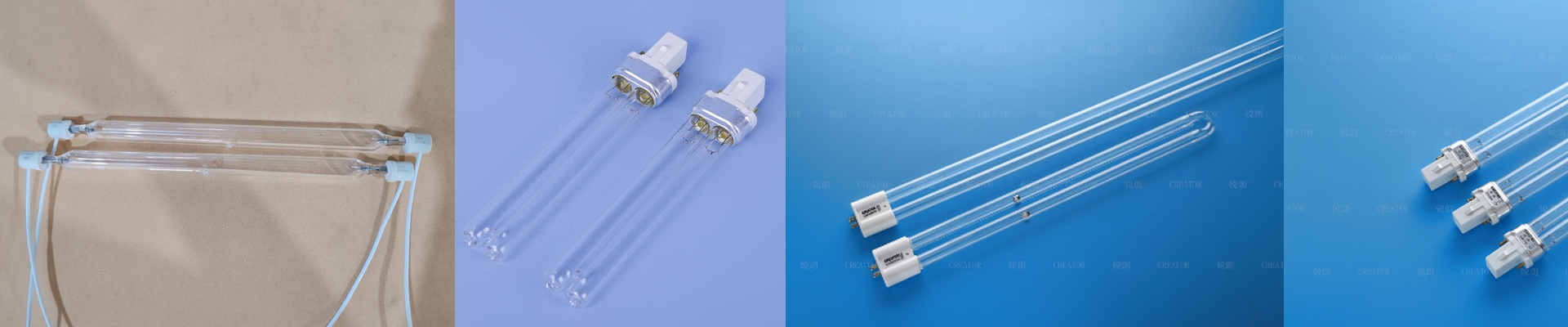
We spent some time visiting about 3,000 printing plants. We wanted to see where these UV systems actually break down in the real world. Turns out, most of the downtime isn’t because a bulb just “died.” It’s usually because the lamp’s light output and the ink’s chemistry aren’t talking to each other. That’s why we stick with standard mercury bulbs. They hit that 254nm peak—the sweet spot that actually gets most industrial resins to cure properly. Dealing with the heat It’s all a balancing act between wattage and the size of the tube. To get ink to dry instantly on a fast-moving line, you need a massive amount of energy shoved into a small quartz envelope. It’s fast. Really fast. But that speed comes with a catch: heat. If your cooling blowers aren’t up to the task, you’re going to see your substrate warp or your ink start to blister. We build our tubes to handle the heavy current, but you’ve got to make sure your cooling system can keep up. The stuff inside the glass We use high-purity fused quartz because cheap glass is a dealbreaker—it blocks the very wavelengths you’re paying for. Then there are the electrodes. That’s usually where things go south. We use thoriated tungsten to stop the material from evaporating too quickly. If you’ve ever seen the ends of a tube turn black and the light fade away while there’s still gas left in the bulb, that’s why. We’re trying to stop that from happening. Getting them in the machine These are designed to be simple drop-in replacements. We keep the footprints standard so you don’t have to mess around with your ballast or rebuild your reflectors. But here’s the thing: the fit has to be tight. If the bulb shifts even 2mm, you’ll get a “cold spot” on your print. That means uncured ink, smeared jobs, and a lot of wasted material. Just make sure you double-check the alignment every single time you swap a bulb.