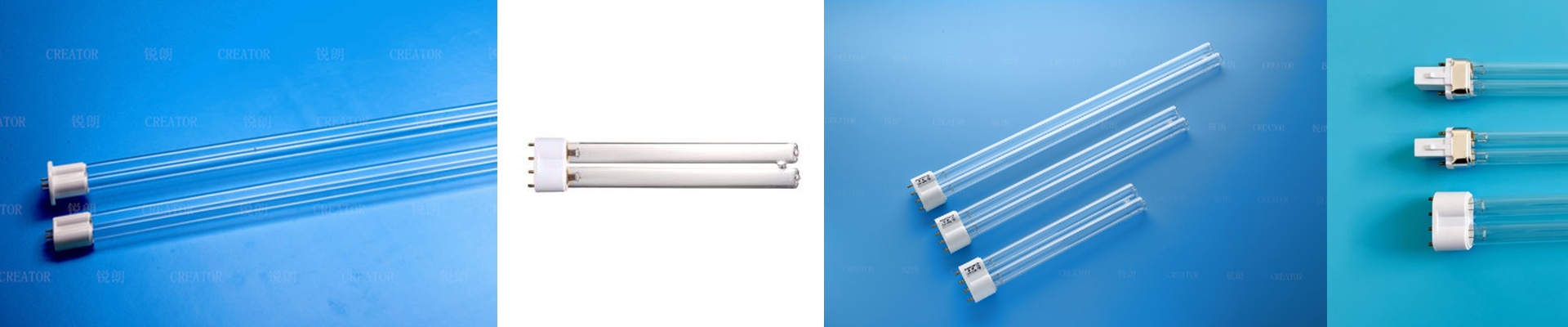
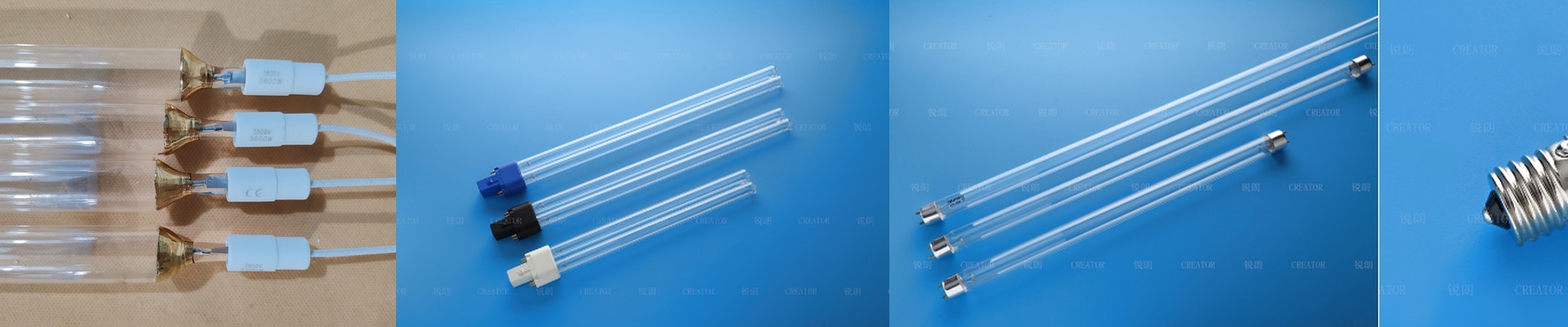

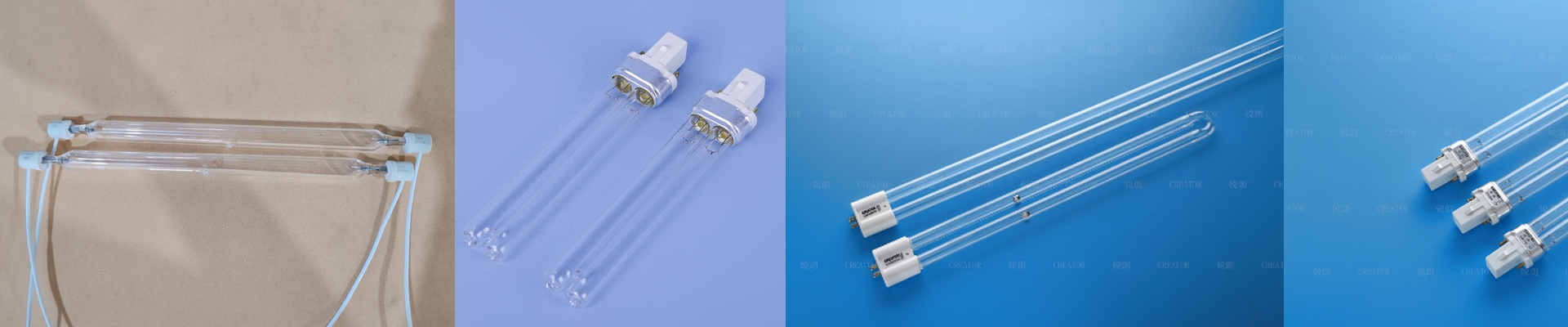
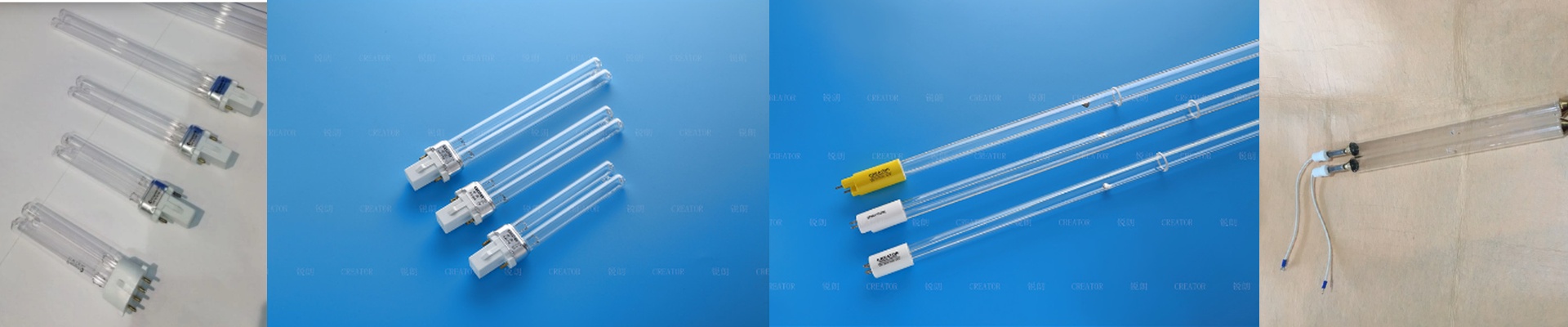
On the floor, downtime is measured in wasted sheets and surprise lamp swaps. That’s why a lot of press OEMs spec our 420nm gallium UV lamps as the standard OEM fit. This isn’t about spin—it’s repeatable spectral control you can count on shift after shift. What actually matters under the hood A 420nm gallium lamp is tuned to hit photoinitiators that absorb in the long-UV band. That moves the curing window away from the short-wave spike that tends to heat and shrink substrates. The output stays stable across the arc, and the spectral curve is matched to the dichroic reflector and the ink chemistry. In practice, cross-linking becomes predictable. Peak irradiance at the substrate holds steady, so setting, verifying, and holding energy density (mJ/cm²) is cleaner. You can expect stable output over 3,000–5,000 hours, with degradation that trends as a gentle slope rather than a sudden drop-off. Why it plays well in real press rooms OEM integration means the lamp, reflector geometry, and shutter timing are treated as one system, not a parts list. With 420nm, you cut heat load on thin films and still cure high pigment loads without surface tack. The payoff: fewer jams, less off-spec sampling, and dot gain that stays under control. It also trims energy per cured sheet, because the energy lands where the ink cures—not as broadband waste. A couple of shop-floor reminders Match the lamp to the reflector. A 420nm source needs a reflector optimized for that band; if you swap in a mismatched reflector, the spectral envelope shifts and the ink can end up undercured. And keep ozone-free operation in mind. Make sure airflow and cooling match the lamp housing, or you’ll trade curing stability for thermal shutdowns.