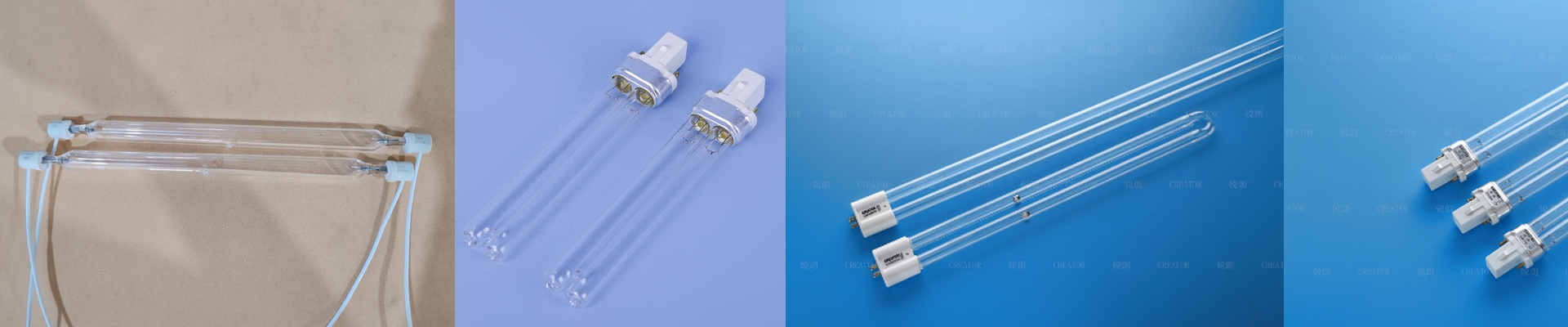

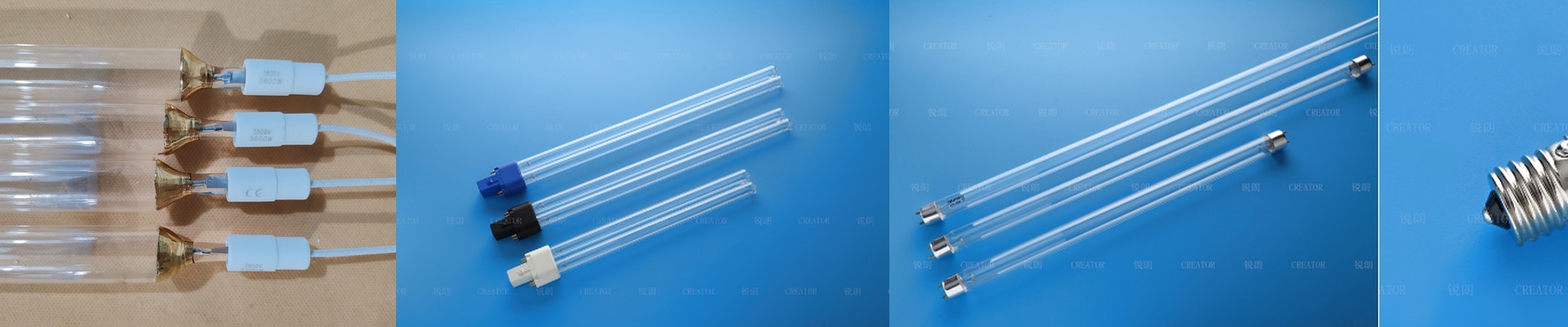
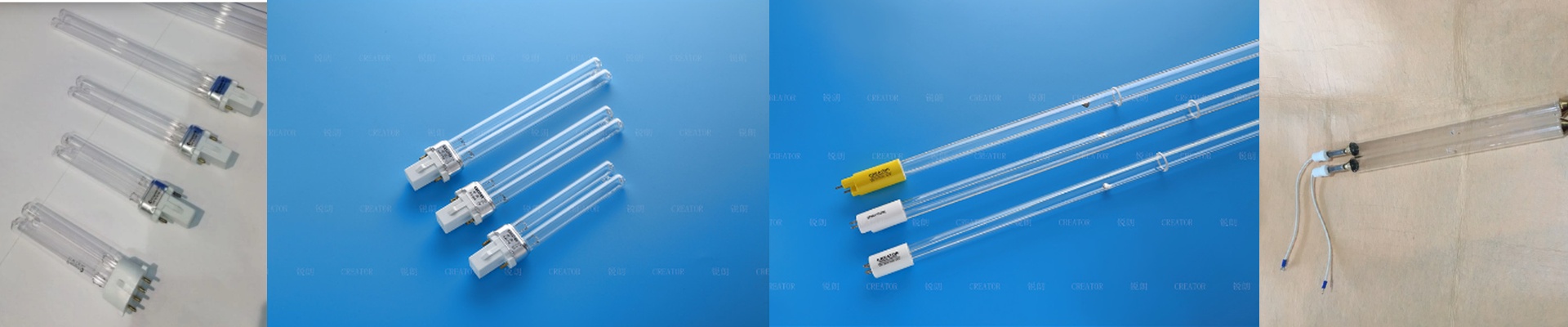
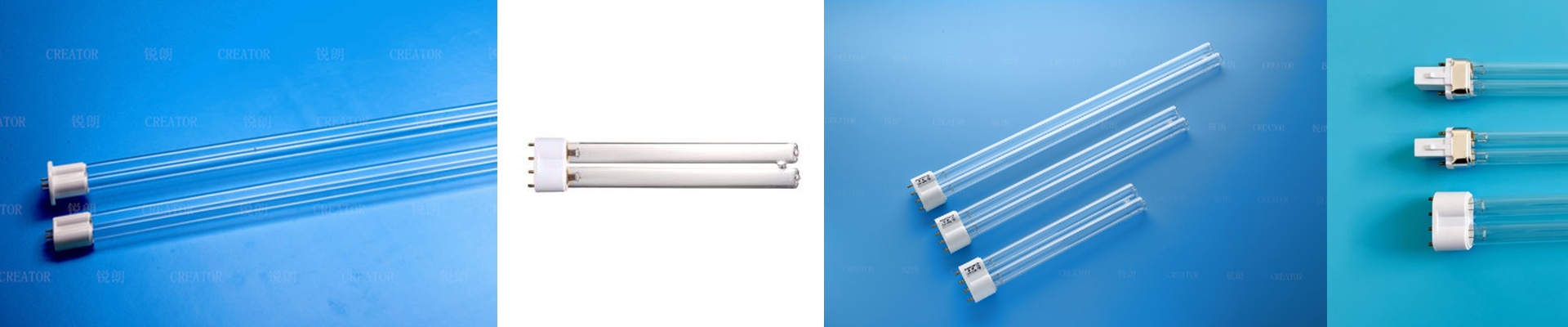
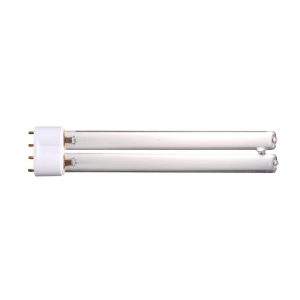
Let’s Talk About Our Mercury UV Curing Bulbs
We built our custom UV lamp modules because we were tired of seeing the same headache in high-speed printing: ink that cures perfectly in one spot but stays tacky in another. It’s a nightmare when you’re running wide substrates. To fix that, we lean on the standard mercury vapor bulb. These things hit the sweet spot at 254nm and 365nm, which is exactly what most industrial inks need to actually “snap” and dry.
The Balance Between Speed and Heat
Here is the thing about wattage and voltage—they aren’t just specs on a datasheet. They are what determine how fast your line can actually move. More wattage means more photons hitting the ink, which means you can crank up the speed. But you can’t just blast it. If you push too much power into a thin film, you’ll warp the material right off the belt. That’s why we spend so much time on the cooling. A mercury arc gets incredibly hot. If your cooling system can’t keep up, you’re just paying to burn out your bulbs early.
Why the Fit Actually Matters
We use high-purity fused quartz for the bulb envelope. Why? Because it lets the UV light pass through without getting trapped in the glass. Now, you can grab these as simple drop-in replacements, or we can build a module specifically for your setup. We aren’t fans of “generic” fits. If there’s even a tiny gap—just a few millimeters—between the bulb and the reflector, you get dark spots. And dark spots mean uncured ink. And uncured ink means a smeared, ruined project during finishing.Nobody wants that.
The Trade-offs
Look, mercury lamps are powerful, but they aren’t “instant.” You’ve got to give them time to warm up, and they put off a lot of heat. Unlike LEDs, these need a dedicated ballast to handle the initial strike voltage. If your power supply is jumpy, your output will be too. We’ve designed our modules to soak up those electrical swings, as long as your shop floor power is decent.