
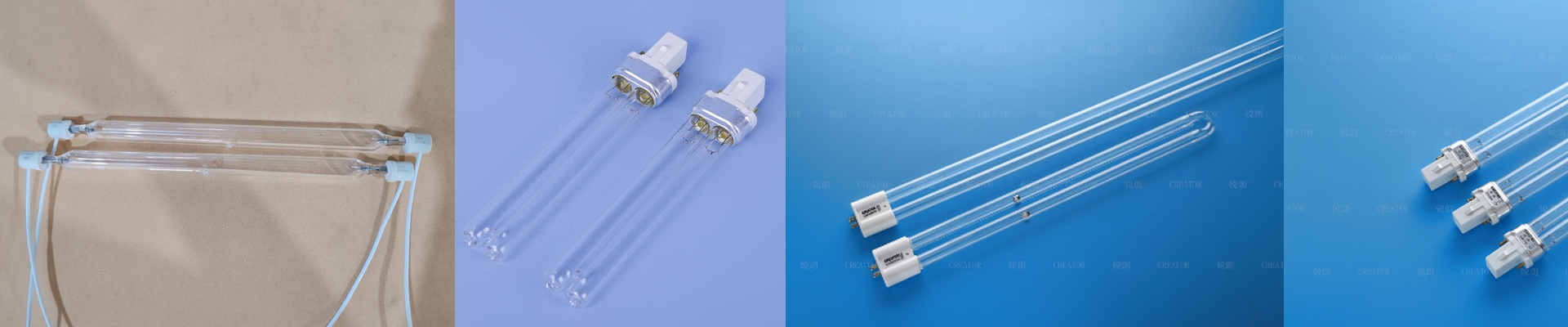
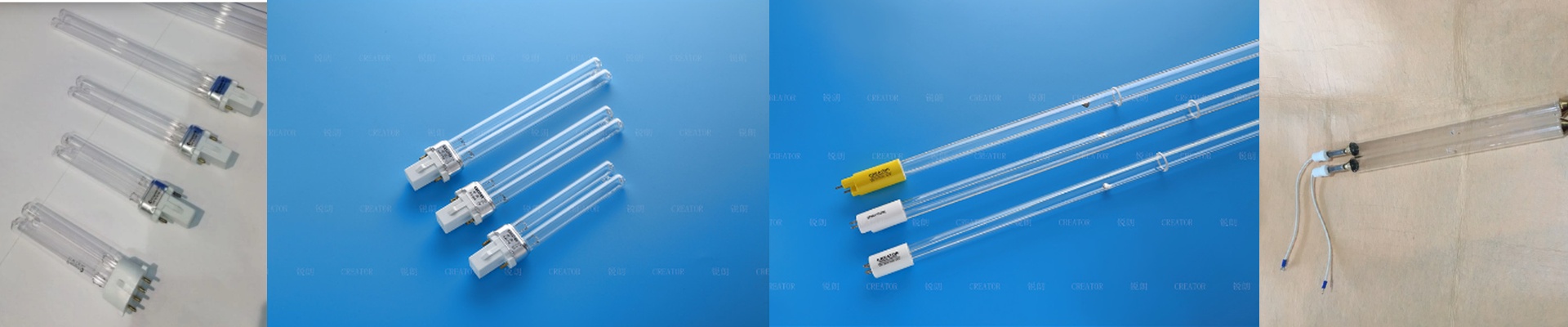
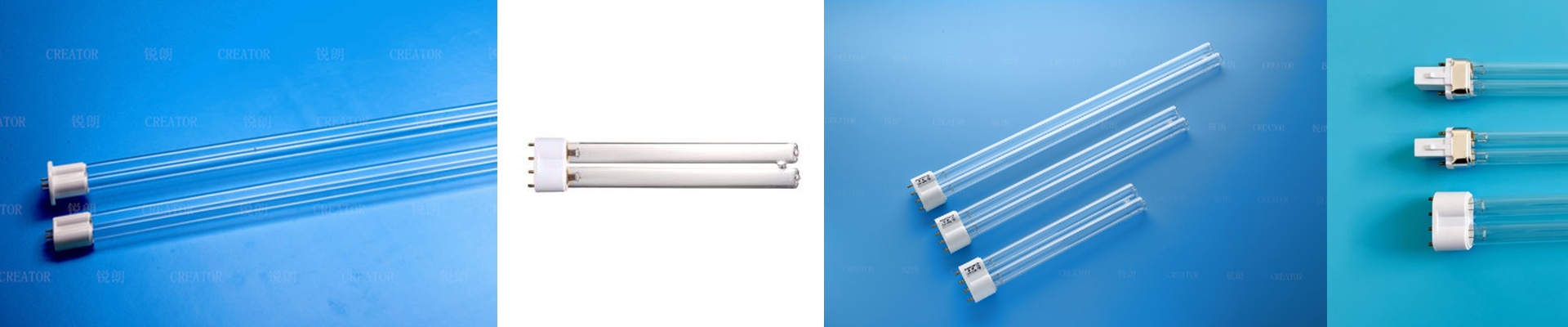
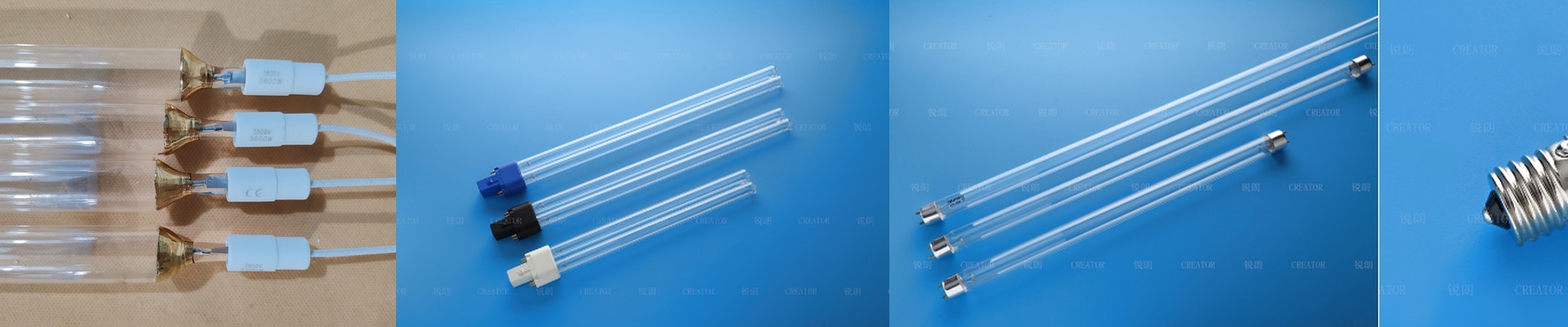
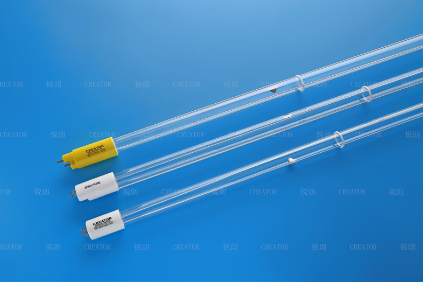
Making Mercury UV Tubes That Actually Last
If you’re running an industrial printing line, you know the drill. You need that high-intensity UV energy to snap your inks and coatings into place instantly. But there’s nothing worse than a bulb popping in the middle of a huge run. When the line stops for a replacement, your throughput just tanks. It’s a headache nobody wants. How they actually work Under the hood, these tubes use an electric arc through mercury vapor to pump out UV radiation. We use high-purity synthetic quartz for the glass. Why? Because regular glass would just soak up all that UV energy instead of letting it hit your product. Plus, quartz can take the heat. When you’re pushing peak wattage, the glass has to be tough enough to handle the thermal stress without warping or cracking. The secret to a longer life Getting a tube to last longer isn’t some magic trick. It’s all about the electrodes. We use specific alloys in the cathodes to stop the emitter material from evaporating too quickly. That keeps the arc stable for a lot more hours. Now, look—every tube loses some punch over time. That’s just physics. But ours hold onto that curing power way longer than the cheap, standard replacements you’ll find elsewhere. Getting them into your setup We made these as drop-in replacements. They fit standard industrial UV conveyors, so you can just wire them up and go. No need to mess around with your reflectors or rebuild your rig. But here is a heads-up: if you crank the UV output to the max, you’re creating a lot of heat. Your cooling fans or water-jackets need to be on their game to strip that heat away. If the cooling is weak, you’ll burn out the ends of the tube way too soon. One last tip? Double-check your ballast settings. Most tubes fail during that initial power spike at startup. Get that current under control, and your bulbs will thank you.