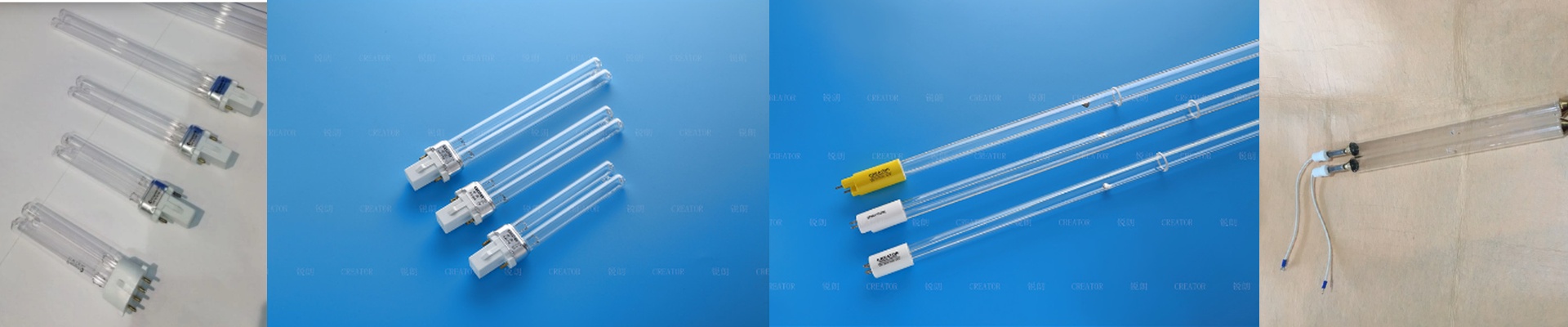
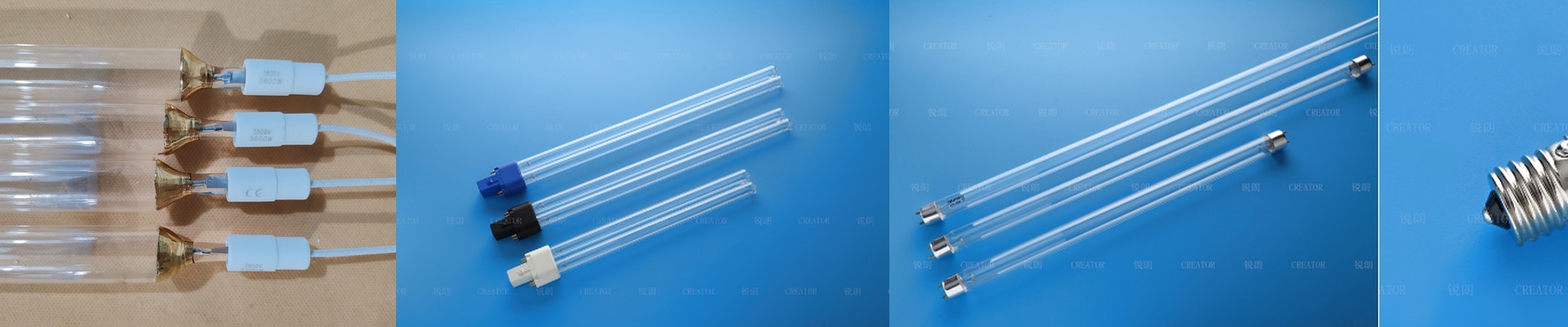
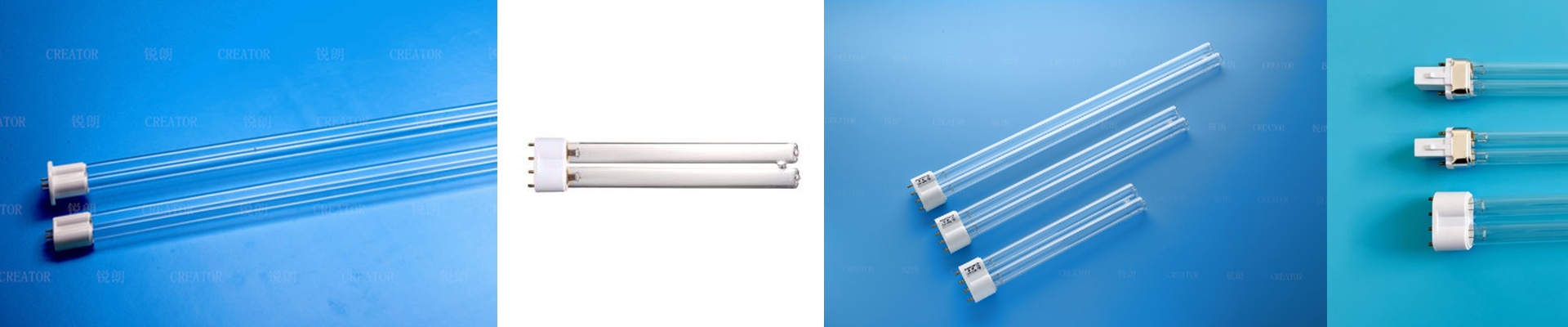
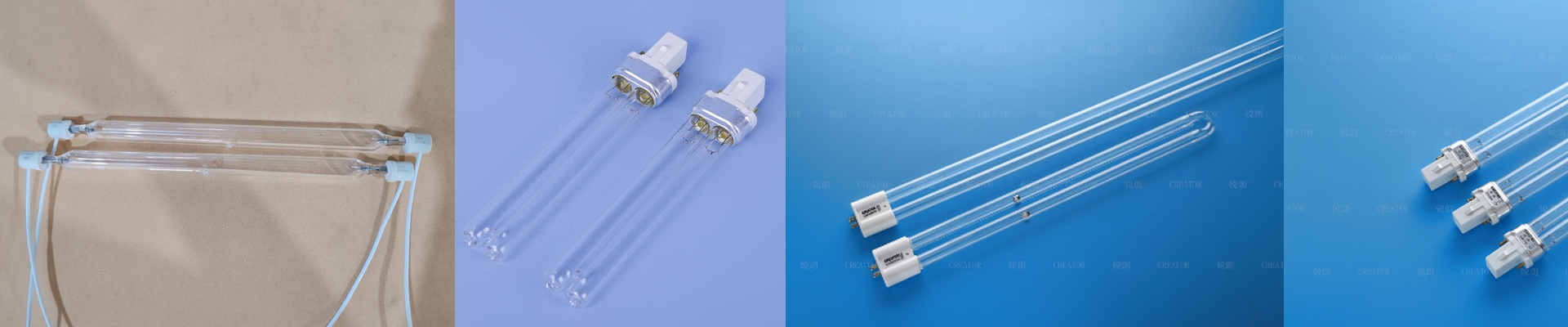

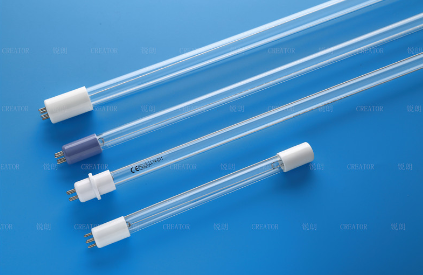
On the floor, heat-sensitive fabrics don’t cut you any slack. Conventional UV setups push surface temperature too high, and you end up distorting knits, melting synthetics, and losing registration on fine detail. We built the gallium iodide lamp for the exposure unit to take that variable off the table. What matters under the hood Gallium iodide doping moves the spectral output toward 365 nm and chokes off the long-wave infrared that dumps heat into the substrate. At the arc distance used in most flatbed exposure frames, peak irradiance hits 2.5 W/cm², delivering 800–1200 mJ/cm² in a single pass. That energy profile kicks photoinitiators into gear fast, then drives cross-linking all the way through—without scorching the surface. Reflectors use dichroic coatings to bounce IR back toward the arc, so the substrate runs cool and spectral stability stays consistent. Here’s why that translates on textile work. For heat-sensitive fabrics, “cold cure” isn’t marketing—it’s dimensional stability. The lamp cures instantly with good penetration, so the ink sets through the fiber instead of skinning over on top. You get a consistent cure across the full width, repeatable control of dot gain, and fewer rejects from heat-induced stretch. Cycle time drops because dwell is short and cure is immediate, and energy draw stays lower since the system heats only the target spectrum, not the whole workspace. A few shop-floor realities. Gallium iodide lamps are finicky about ignition voltage and arc stability, so the power supply has to match the lamp’s rated parameters and hold current steady. Plan on roughly 2,000 hours at full power before lamp life runs out; output decay is predictable, so keep radiometer checks on schedule and swap lamps on a planned interval. Double-check reflector alignment, and keep the lamp window clean—dust and ink residue scatter the UV and cut effective dose before you even see it on the substrate.