
Stop Treating Your UV/IR Lamps Like Lightbulbs
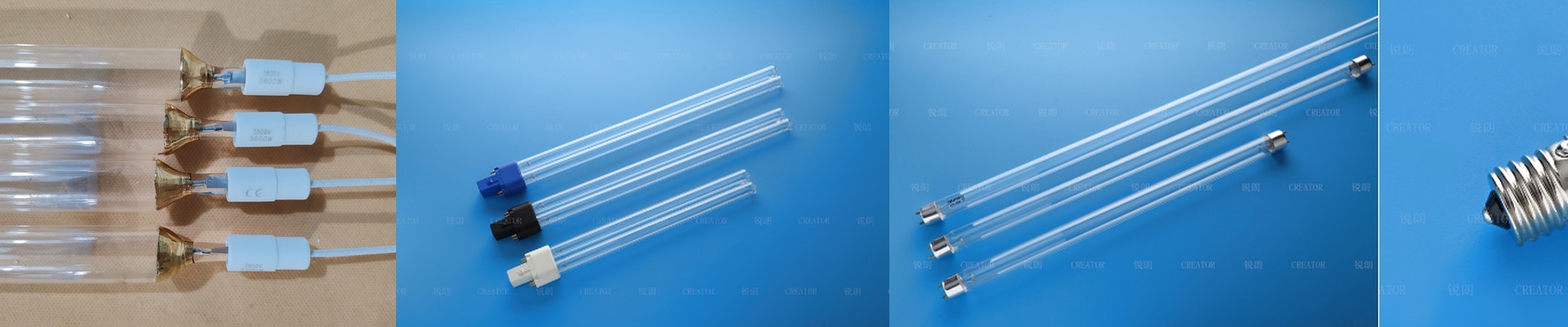
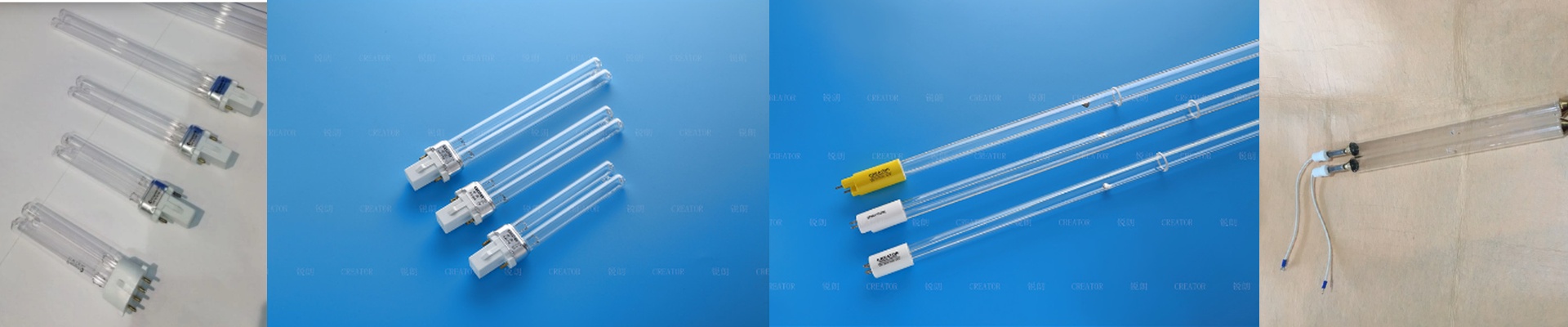
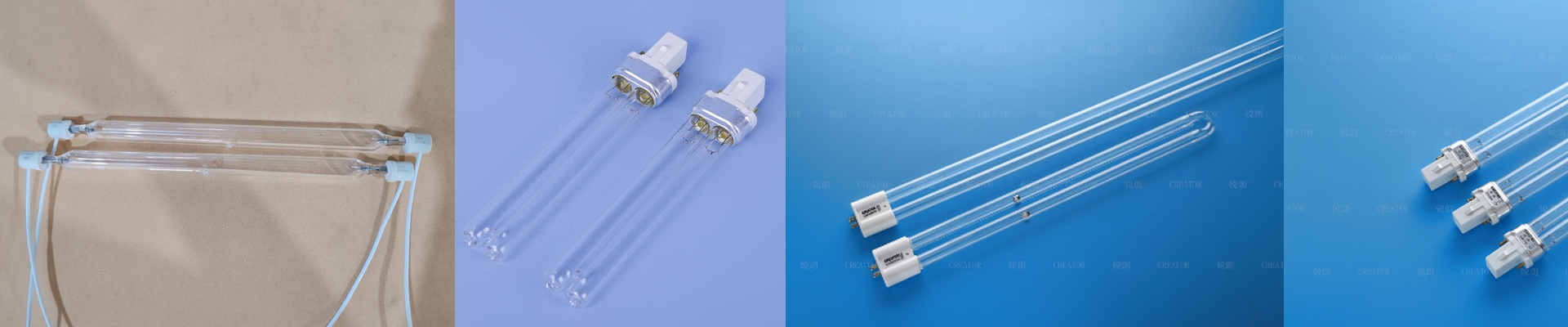
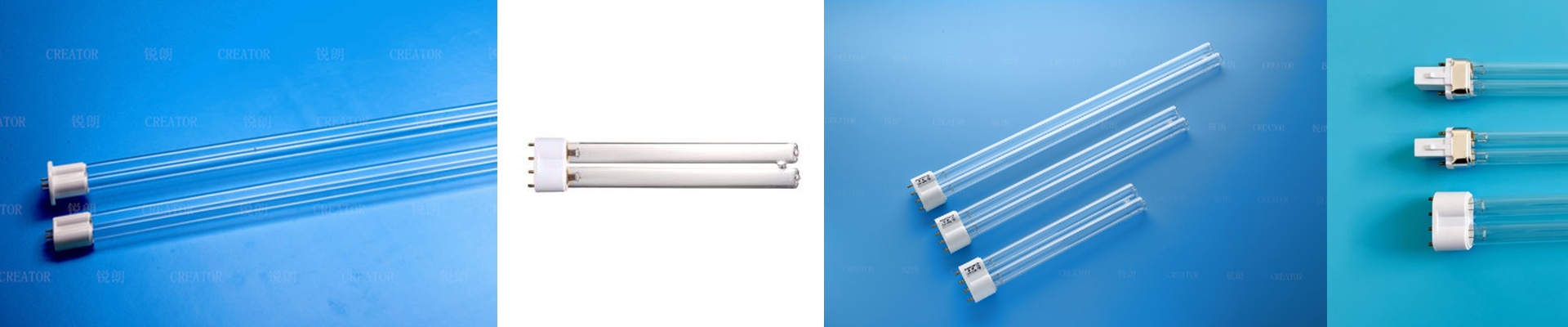
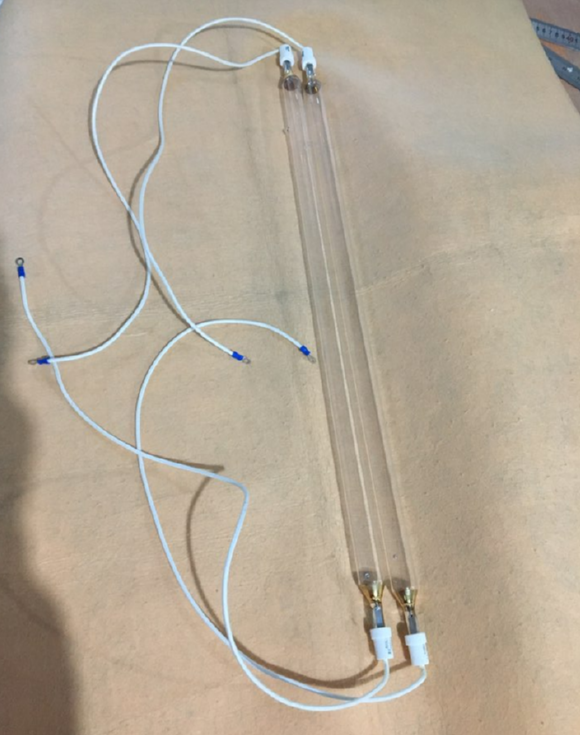
Most people just see UV and IR lamps as another line item on a shopping list—something you swap out and forget about. But it’s more complicated than that. When you’re picking a replacement, you’re actually playing a balancing act between how much light you need, how much heat your system can handle, and how much money you’re throwing away. We do things differently. We handle the entire production chain ourselves, which basically means we cut out the middleman and the inflated markups that usually come with these parts. The stuff under the hood We don’t just buy generic tubes and slap a logo on them. We source the raw quartz and handle the filament winding ourselves. Why does that matter? Because we control the grade of the material. It means your lamps can take a real beating from high-intensity heat cycles without bowing or cracking early. It’s the difference between something that lasts and something that fails the moment things get hot. The trade-offs you need to know Wattage and voltage aren’t just boring numbers on a spec sheet. They literally dictate how fast your line moves. Sure, a higher wattage lamp can speed up your throughput. But there’s a catch. It puts a lot more stress on your ballasts and cooling fans. If you crank up the power without fixing your airflow, you’re just going to burn out the ends of the tube. We calibrate our lamps to hit the exact levels your specific resin or coating needs. No more guessing, and no more dealing with those annoying “tacky” surfaces or over-cured messes. Getting them into your machine Nobody wants to spend their weekend rewiring racks or hacking away at a curing oven just to make a new lamp fit. That’s why we make ours direct drop-ins. They just fit. We obsess over the tolerances of the end-caps and pins because a loose fit is a nightmare. It leads to arcing, which doesn’t just kill the lamp—it can fry your entire power supply. By going straight to the source, you skip the “distributor tax.” You get factory-grade quality at a price that actually reflects the cost of quartz and tungsten, rather than paying for someone else’s marketing budget.