
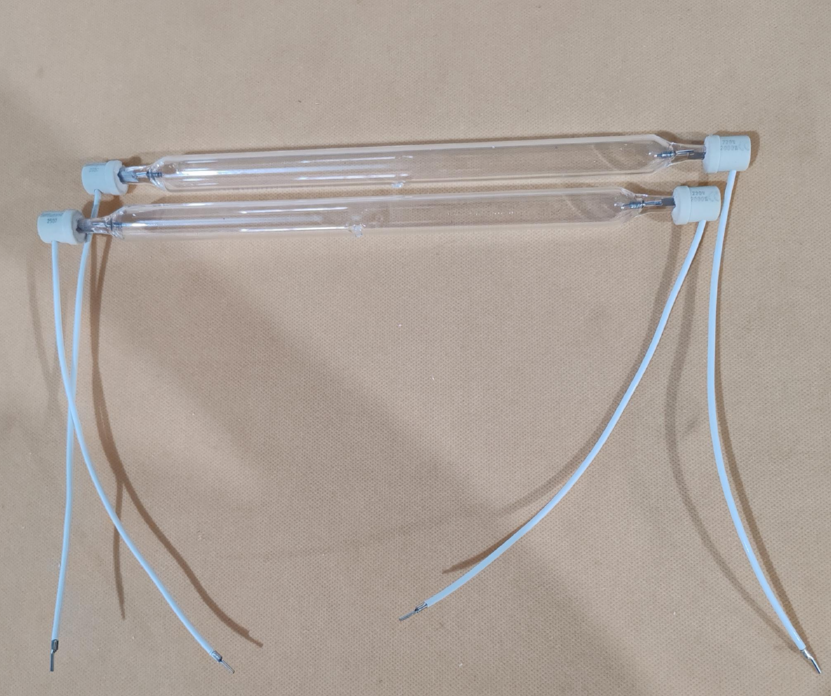
Why Most UV Lamps Fail on the Shop Floor (And How We Fixed It)
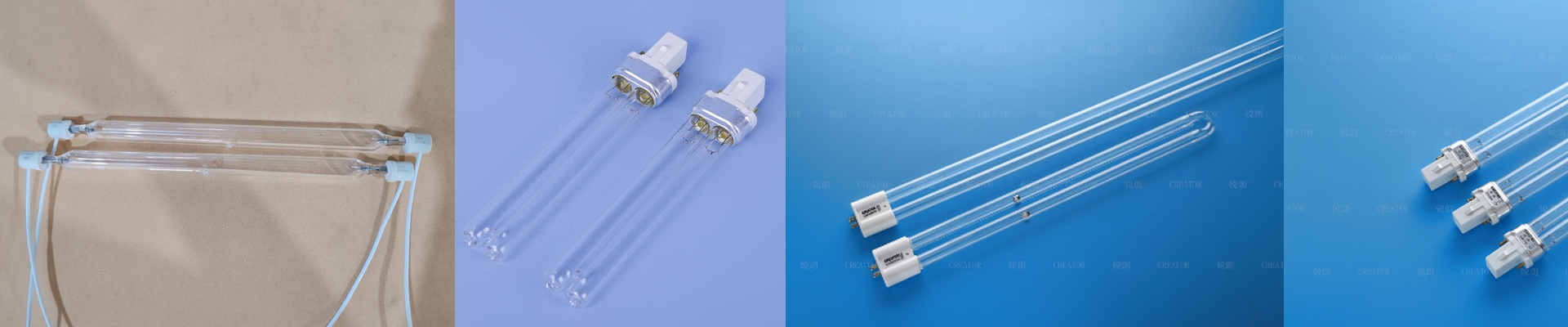
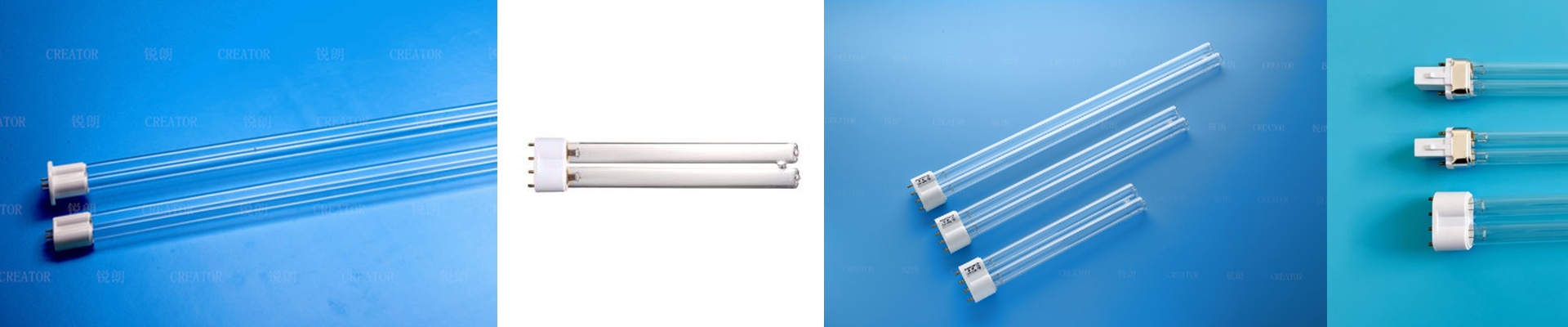
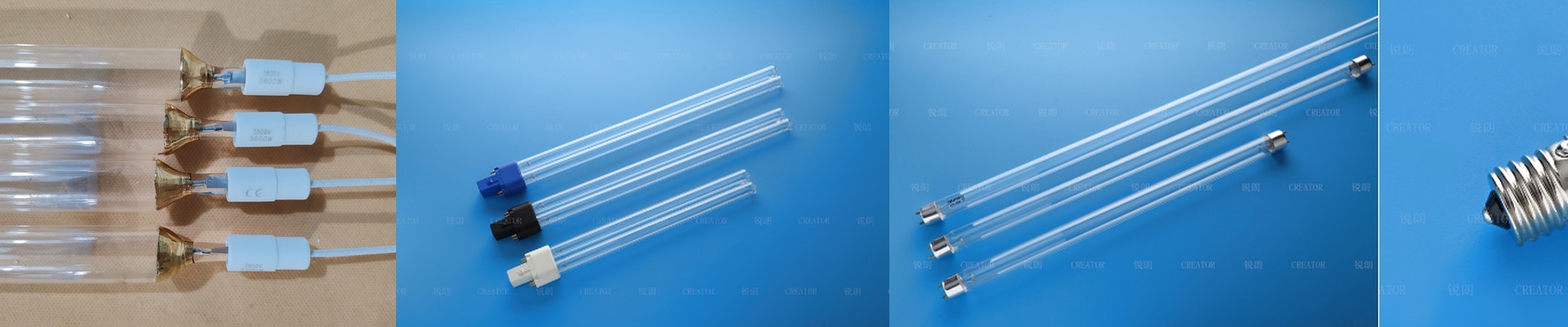
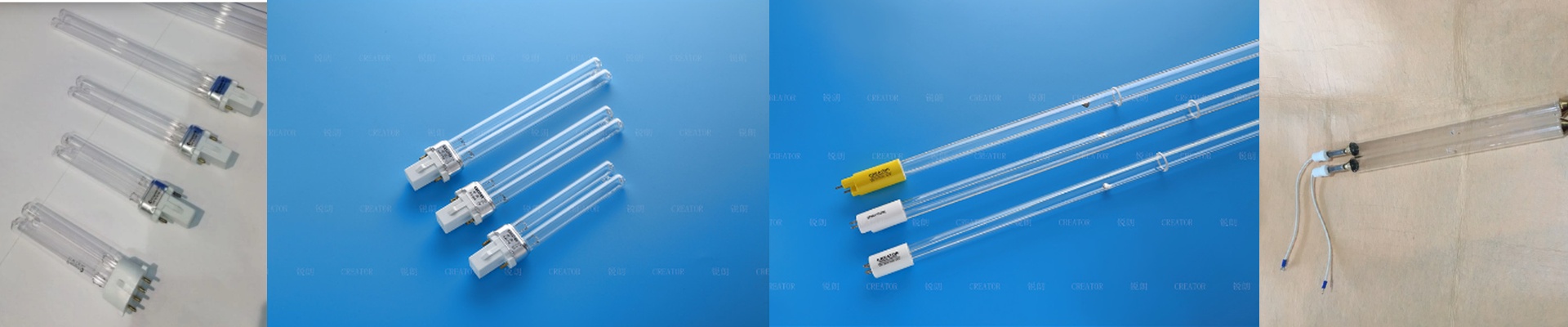
I’ve spent some time visiting about 3,000 printing plants. A lot of them. And I noticed the same frustrating pattern everywhere: the UV output promised on the spec sheet almost never matches what’s actually happening on the floor. Most off-the-shelf lamps just aren’t built for the heat and the raw speed of a modern industrial press. They look great in a lab, but they crumble in the real world. That’s why we stopped obsessing over raw wattage and started focusing on things that actually matter—like thermal management and spectral stability. Speed vs. Cure Here’s the thing about UV curing: it’s all a balancing act between your belt speed and the dose. If you crank up the line speed, you need more irradiance. Otherwise, the ink isn’t fully cured by the time it hits the rollers. But you can’t just throw more wattage at the problem. If you do that without fixing the reflector geometry, you’re just creating a giant, expensive space heater. We target a specific power density (mW/cm²). It’s the only way to stop that nightmare scenario where the ink feels dry to the touch, but then peels right off the substrate the moment it’s handled. The Heat Problem High-output lamps get incredibly hot. Like, “melt your components” hot. If your cooling system isn’t up to the task, your lamp is going to burn out way too soon. To fight this, we use high-purity quartz envelopes that can actually take the thermal stress. We also tweaked the electrode materials to stop “sputtering”—those ugly dark rings you see at the ends of the tube. And a word of advice: don’t be tempted to over-drive the voltage. Sure, you’ll get a quick burst of intensity. But you’re basically killing your tube life in exchange for a few minutes of extra brightness. It’s not worth it. Making Life Easier When a press goes down for a lamp change, you’re losing money every single second. It sucks. So, we made ours “drop-in” replacements. No fancy gymnastics required. We used standard connectors and footprints so you can just wire it up and get back to work. Just one heads-up: if you’re moving to a higher intensity lamp, make sure your exhaust system can handle it. If you don’t vent the ozone and heat properly, you’ll end up warping your reflectors, and then you’re right back where you started.