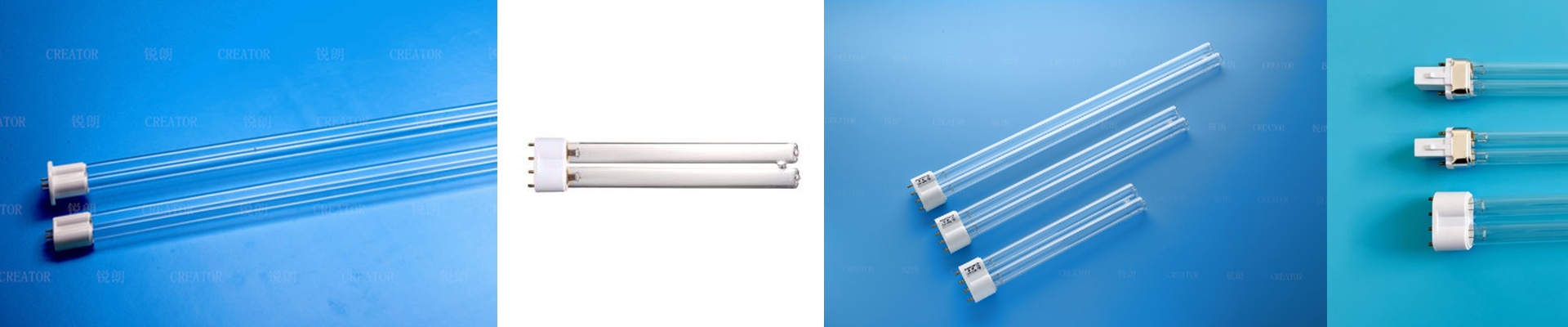

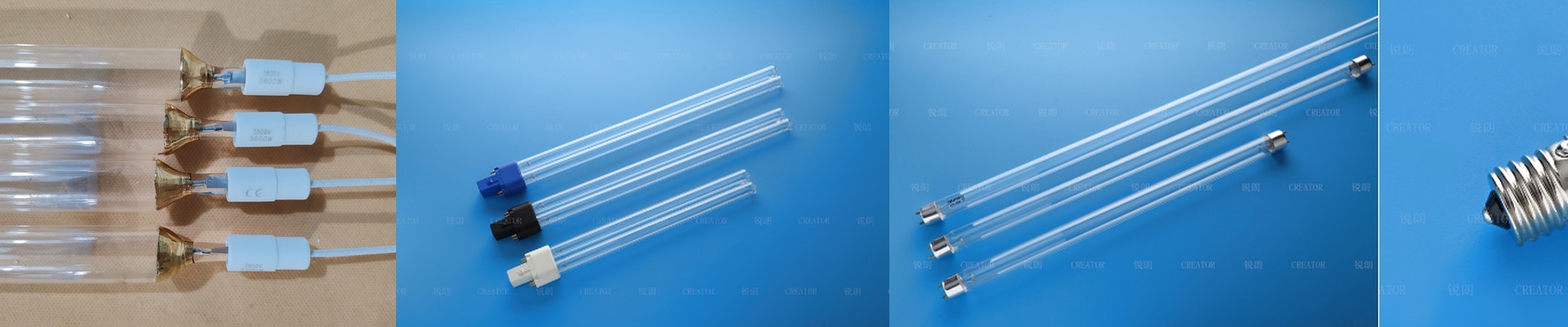
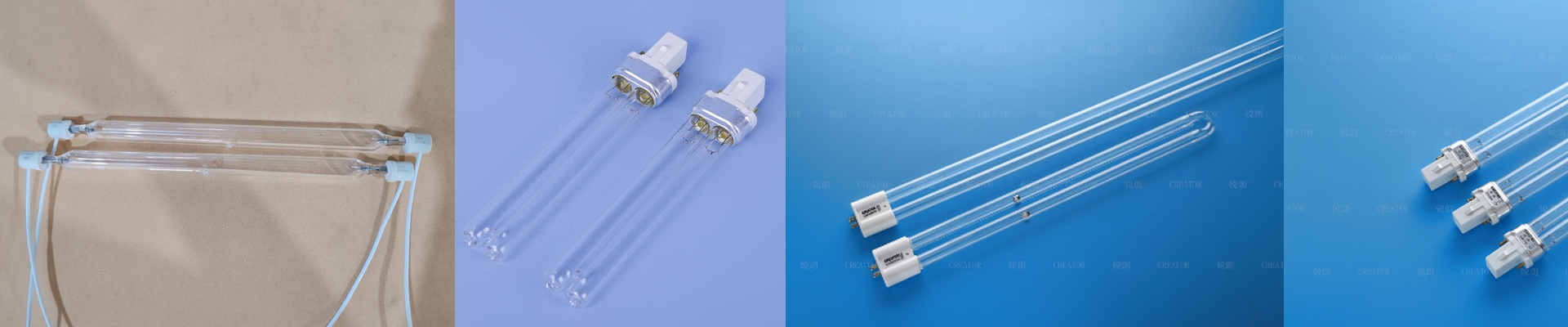
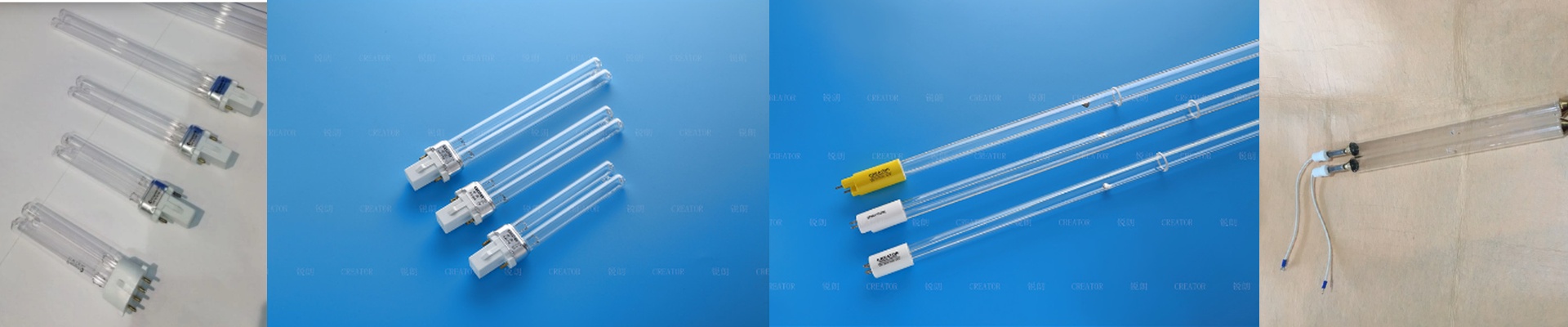
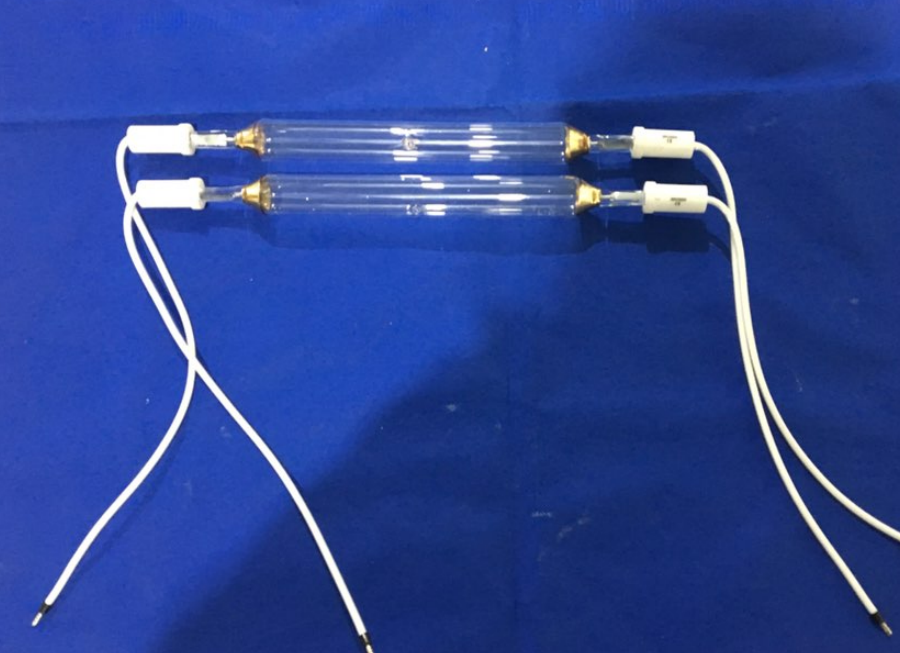
Getting the Most Out of Your Gallium Iodide Lamps
If you’re working with semiconductor fabrication or high-end curing, you know that “close enough” doesn’t cut it. You need a very specific, narrow band of UV light to get those photochemical reactions just right. That’s where our Gallium Iodide (GaI) lamps come in. The secret is in the pressure. We spend a lot of time obsessing over the sealing process. Why? Because if the internal pressure is off by even a tiny bit, the wavelength shifts. And if that happens, you might find yourself staring at a ruined batch of photoresist. To stop the glass from breaking down under all that intense UV stress, we use high-purity synthetic quartz. It’s tough, and it lasts. Now, let’s talk heat. These lamps run hot—especially at the electrodes. We build our housings to take the hit, but you’ve got to make sure your cooling system can keep up. If your airflow is choked, the quartz envelope gets stressed and the lamp burns out way too soon. Here’s a pro tip: keep that surface temperature steady. It stops the gallium from migrating, which means your light output stays consistent for the long haul. Setting them up We designed these to be simple drop-in replacements for your current UV arrays. We’ve also tweaked the electrode geometry so you don’t have to deal with annoying sparking when you fire them up. Just one thing: double-check your ballast. If the voltage isn’t a perfect match, you’ll get flickering, or worse, you’ll kill the lamp’s lifespan. The trade-off There is a bit of a balancing act here. If you push for higher UV intensity, those electrodes are going to erode faster. It’s a simple choice: you can crank up the throughput on your line, but you’ll be replacing lamps more often. Check out the data sheets. They’ll help you figure out the sweet spot between hitting your production goals and not spending all your time on maintenance.