
Getting Your PCB Curing Right with Gallium Iodide UV
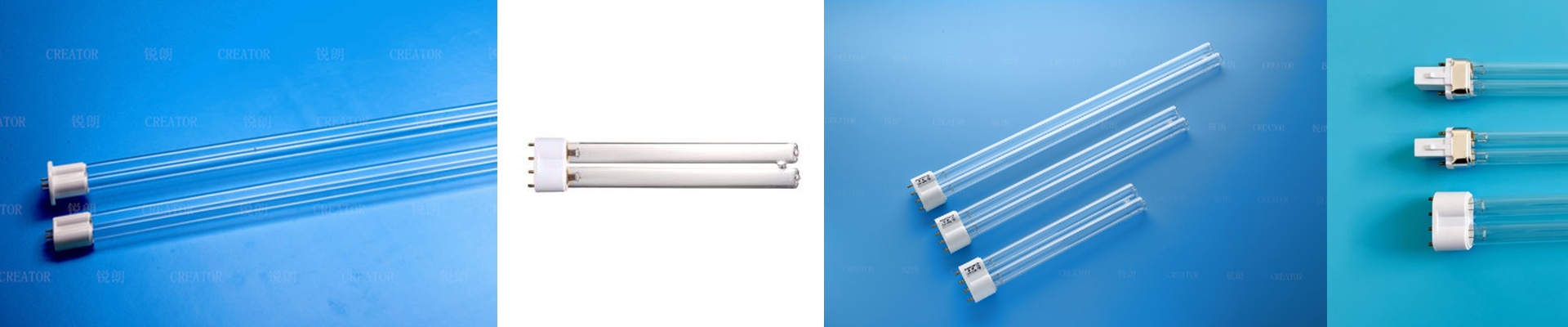
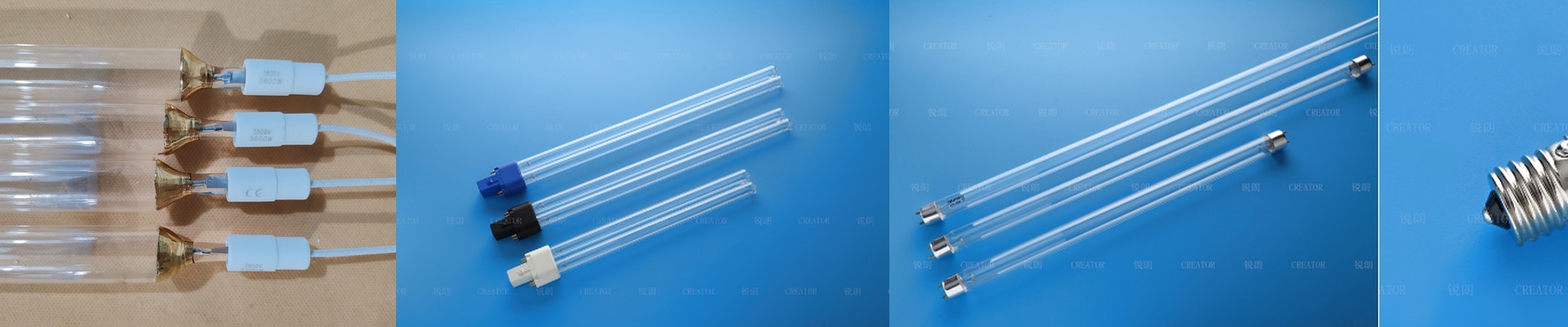
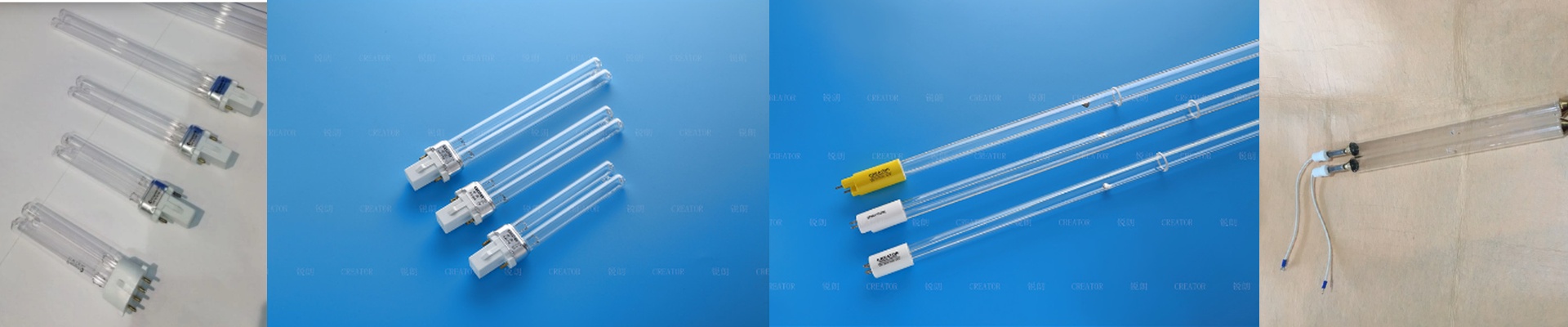
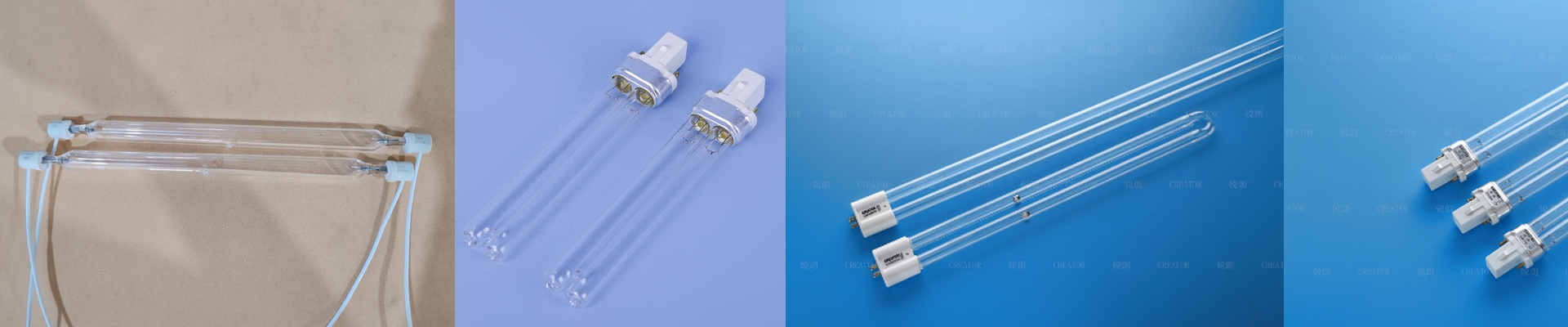
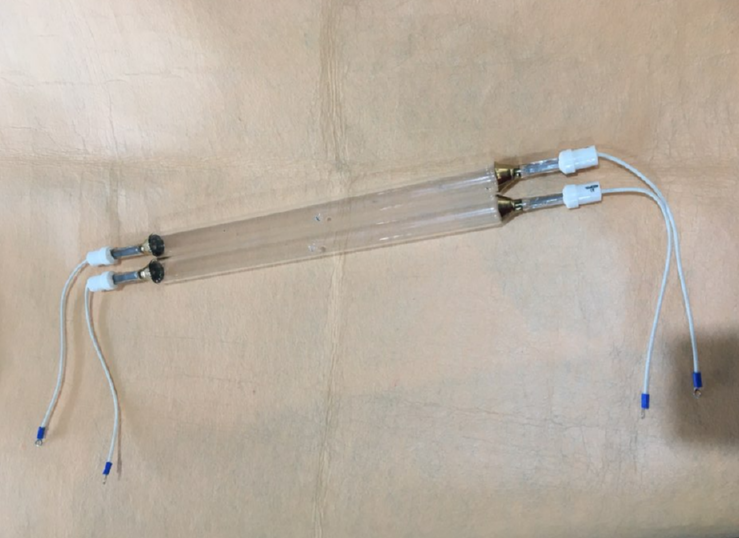
If you’re working with photoresists or specialty inks on your PCBs, you know the struggle. Standard mercury lamps just don’t always cut it. That’s where Gallium Iodide (GaI) lamps come in. They hit a very specific part of the UV spectrum that actually digs deep into thick ink layers and triggers those stubborn photo-initiators. The balancing act: Power vs. Heat We build these lamps to hit the narrow UV bands you need for high-res imaging. But here’s the thing: it’s all about the balance. You need enough power to harden the resist, but if you crank the wattage too high? You’re asking for trouble. You’ll end up warping your boards or seeing “bleeding” at the edges of your traces. It’s a bit of a dance between your irradiance levels and how fast your conveyor is moving. Get that right, and everything clicks. Keeping things cool We use high-grade quartz for the envelopes so the UV actually gets out. We also pick specific glass that won’t “solarize” or cloud up over time. But fair warning:these things run hot. If your cooling system isn’t up to the task, you’re going to burn through your lamps way too fast. When your airflow drops, the temperature spikes, and the Gallium cycle starts to degrade. Keep them cool, and they’ll treat you right. Putting them to work The good news is that these are basically drop-in replacements for most industrial UV tunnels. We’ve spent a lot of time on the footprint and the connectors because nobody wants to spend their afternoon fighting with wiring during a teardown. Now, let’s be honest about the lifespan. You won’t get the same longevity here as you would with low-intensity LEDs. GaI lamps have a window of peak performance before the spectral output starts to drift. My advice? Keep a close eye on your hour-meter. Swap the tubes out before you start seeing uncured patches on your boards. And look, we don’t just ship you a tube and wish you luck. We’ll work with you to calibrate the output so it actually plays nice with your specific ink chemistry.